What the agreement actually does
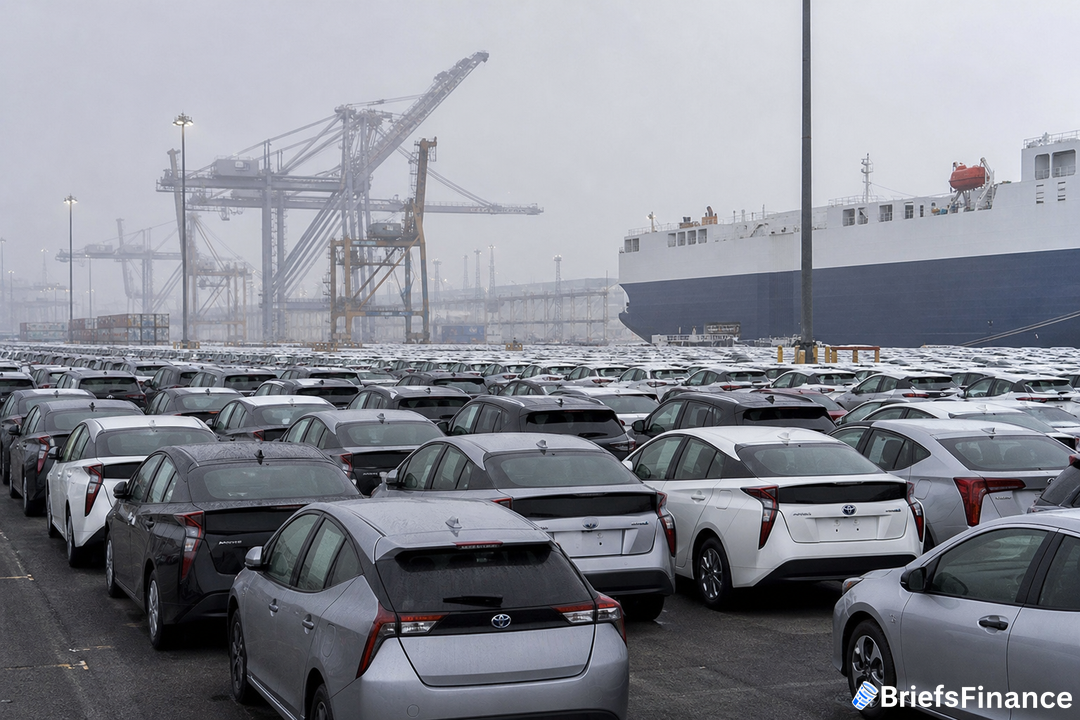
The EU and China have agreed to limit the inflow of hybrid electric and plug-in hybrid vehicles, with a 350,000-per-year cap for shipments from China beginning in December and climbing 6% each year. EU customs will enforce the safeguard by stopping the release of vehicles once the quota is exceeded, a senior official said. The European Commission assessed that, without the cap, hybrids arriving from China would have reached 800,000 units in 2026.
Importantly, the framework will apply to all hybrid imports into the bloc, including those from countries with EU free trade deals. Details for quotas covering nations outside the European Economic Area other than China have not yet been set. Bloomberg analysis indicates the cap could reduce the number of hybrids China sells in the EU by several million over four years, and a chart from China Customs and Bloomberg Economics suggests exports could slide back toward 2025 levels, with 2026 figures shown for the first eight months.
How industry and officials are positioning
Automakers welcomed the breathing room. Stellantis CEO Antonio Filosa called the move a "good milestone to pass" while stressing it is "just a first step." He said the sector needs a level playing field with rules that let everyone compete on equal terms. Shares in Volkswagen AG and Stellantis NV ticked up, underscoring that while the cap helps, Europe's car industry still has a lot on its plate.
EU leaders will meet in Brussels on Thursday to discuss hybrids and broader measures to counter subsidized, low cost goods from China. In Beijing, EU trade chief Maros Sefcovic said, "The trade deficit is a mountain of a challenge for the EU," adding, "We must defend our industries and restore a level playing field that has been distorted by global overcapacity." He plans to meet his Chinese counterparts early next year to review implementation and talk about next steps.
Beijing framed the arrangement as preserving "export space and steady growth" for its carmakers. China's Commerce Ministry said the deal would protect Chinese companies' interests, help avoid an escalation in trade tensions, and must align with World Trade Organization rules.
Import caps change what cars reach the market and at what price. Market Briefs covers trade policy free every morning.
The bigger backdrop: Europe's car shakeup
Europe's manufacturers, led by VW, are retooling as Chinese brands like BYD gain ground in electrified models both in China and across Europe. VW on Monday reported a 39% drop in deliveries in China, its largest and most profitable market for decades, highlighting the pressure at home and abroad. Despite cost cuts and headcount reductions, the sector is still working toward a durable fix for sliding competitiveness.
Meanwhile, Chinese carmakers are planting deeper roots in Europe. BYD's international business chief, Stella Li, said the company plans to begin mass production in the fourth quarter at its Hungary facility and is evaluating a second plant location, with France and Spain topping the shortlist. "BYD is a long-term company," she said. "With a long term commitment in the region we'd like to double down on investment, and can build a second and third factory here." Leapmotor and Chery Automobile Co. are also building a broader footprint inside the EU.
Policy is evolving too. The bloc is pursuing "Made in Europe" rules aimed at driving real manufacturing rather than simple assembly, and there is discussion about softening strict passenger car CO2 targets. French President Emmanuel Macron said Monday he anticipates a near-term deal with Germany aimed at strengthening safeguards for the European car industry, with discussions covering a package that could feature compromises on proposed European-made product preferences and on vehicle emissions rules.
What this could mean for your money
The cap draws a clearer line under how many hybrids can enter the EU, potentially reshaping model mix, pricing, and plant utilization across Europe. It does not solve every problem, but it buys time as officials weigh broader trade and industrial policies and as companies reset strategy. Watch for how quickly customs applies the quotas, the outcome of EU leaders' talks this week, and the review with Beijing early next year. Those threads will determine whether today's modest share bump turns into steadier earnings or just another brief pit stop.
A hard annual ceiling works very differently from a tariff. Get the free Market Briefs daily newsletter and follow the rules.