Where the action is now
After a push in Sacramento to curb these deals fizzled, hedge funds have been leaning back in. Cherokee Acquisition's Bradley Max, who last year talked about "a chill" in this niche, says the mood has flipped. "There's plenty of appetite for buyers and sellers," said Max, who brokers transactions between hedge funds and insurers offloading subrogation claims. "Insurance companies know that there is liquidity available and the market has become more mainstream," he added, while declining to name specific insurers or funds.
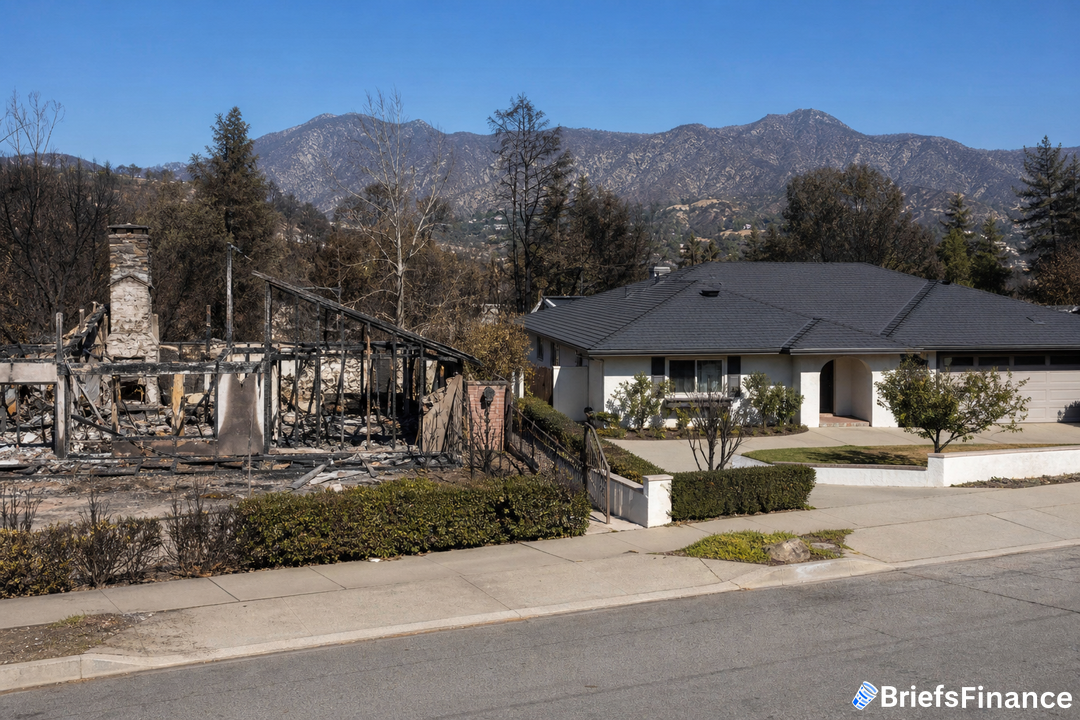
Pricing is all over the map. Cherokee says Eaton fire claims are changing hands around 55 to 60 cents on the dollar. Palisades fire claims, which carry heavier questions around establishing liability, are trading closer to 3 to 5 cents. Cherokee also recently acquired Palisades-related insurance claims for roughly $100 million at a price below 10 cents on the dollar, according to Max.
How subrogation deals work and why they move fast
Subrogation gives an insurer the right to pursue another party, like a utility suspected of sparking a blaze, to recover what it paid out. Rather than wait years for lawsuits to resolve, some insurers sell those rights to investors at a discount for immediate cash, while buyers bet ultimate recoveries will exceed their entry price. "Most hedge funds are looking for returns in the low-to-mid teens and are happy with that," Max said. The mechanics tend to be quick, too: "They are typically funded within just a couple of weeks."
It remains a discreet corner of alternative investing where terms rarely see daylight and buyers prefer not to be named, in part because the politics are thorny. The California Earthquake Authority, which administers the California Wildfire Fund, last year labeled these investments an "opportunistic" Wall Street play amid social and environmental upheaval. Governor Gavin Newsom sought to keep hedge funds and other alternative managers out of the mix.
Buying disaster claims is a bet on how slowly insurers pay out. Market Briefs covers that market free every weekday.
The legal backdrop and the long tail
California's 2025 statute obliges insurers to give utilities the initial option to buy before any sale to investors. It stopped short of prohibiting hedge fund purchases. Attorney Willis Hon of Nossaman LLP put it this way: "From a hedge fund manager's perspective, it would be reassuring that the concept of taking subrogation entirely off the table did not materialize." Max says the new rule has not shifted demand. "I'd be surprised if utilities or government entities had the means to acquire claims," he said. "I've not lost any transactions as a result of that."
Verisk calls the LA fires a "historical loss event" with a "multiyear development tail," and the liability picture is still being sorted out. Southern California Edison reported that, as of July, it was tracking roughly 2,000 lawsuits tied to the Eaton fire, encompassing about 32,000 individual plaintiffs, in addition to cases filed by public entities and by subrogation plaintiffs. A "bellwether" jury trial in the Eaton litigation is scheduled for January 2027.
California has become a focal point for trading these rights given the scale of wildfire losses and the state's "inverse condemnation" doctrine, which applies to investor-owned utilities and does not require plaintiffs to prove negligence. That has set up a steady push and pull: utilities seek to avoid passing costs to ratepayers, while insurers try to recoup policyholder losses and keep the option to sell subrogation claims. "It's an enormously complex process that keeps a lot of people employed," Hon said.
What it means for your money
This is a live, specialized market where hedge funds buy legal claims at steep discounts or midrange prices and wait for court outcomes. "But whether it goes to an insurer or an investor, it's the same amount of money." As Hon summed it up: "Billions of dollars are in play now."
Where distressed buyers go tells you where the system is failing. Join Market Briefs free and follow it.