What changed
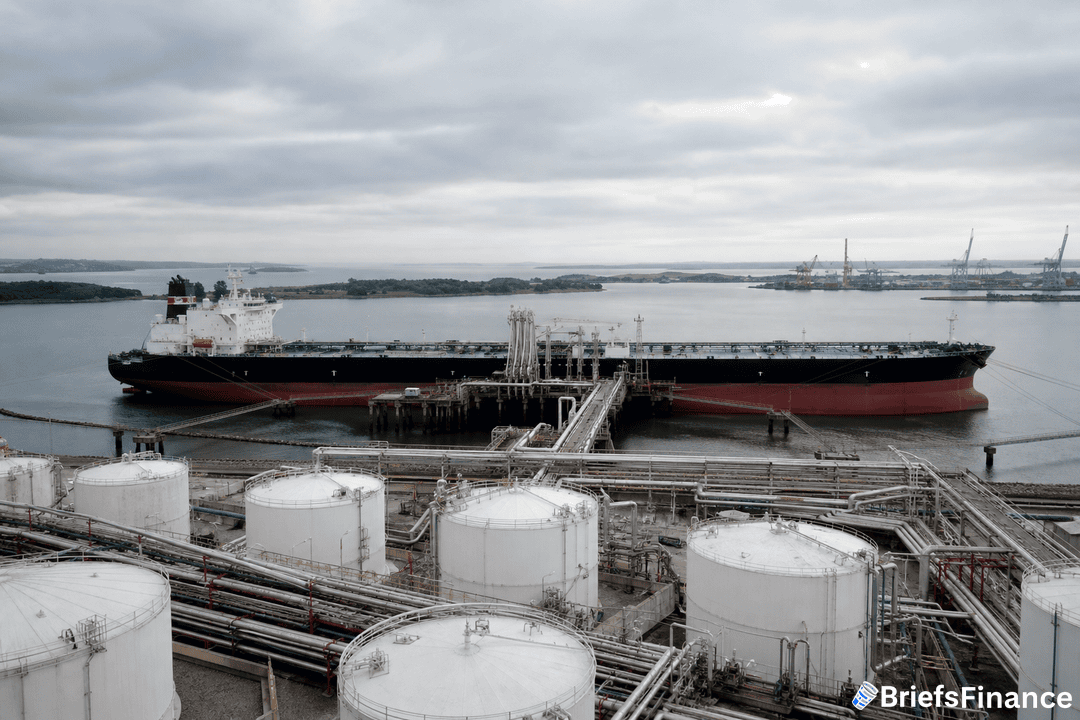
Russia is loosening its diesel export restrictions, carving out room for 500,000 metric tons to reenter global markets. Prompted by a pact struck by President Vladimir Putin and US President Donald Trump, the change takes effect Saturday. It is a partial step back from this year's curbs that were designed to safeguard domestic fuel supplies.
How the move will be carried out
The government says officials will coordinate as Russian oil companies start at once on talks for export contracts with international buyers. What is not on the table yet are the logistics details. There is no schedule for when the 500,000 tons will ship, and there is no indication of whether more export volumes might be authorized later.
Export restrictions on fuel move diesel prices across whole continents. Market Briefs covers energy trade free every weekday.
The timing and the prior limits
Russia first clamped down on diesel exports by targeting non-producers on Jan. 31, then extended the ban to include producers on July 9. Today's announcement stops short of ending the ban outright. It is a controlled loosening that sends a defined volume back into the market rather than a full reopening.
What this means for your portfolio
This unlocks a measured flow of Russian diesel back to international buyers, but with the government setting the pace and leaving key details open. Until shipment timing and any follow-on approvals are clear, watch how new contracts print. That is where real price signals will show up for you at the pump and in shipping costs, not just on trading screens.
Easing a ban says something about domestic supply and revenue needs. Join Market Briefs free and follow the barrels.