What actually got agreed
Friday's talks produced a 16-point list that covers trade and investment rules, export controls and intellectual property. In their joint note, both sides said they'd reached an "understanding on trade in hybrid vehicles in a WTO compliant manner." China's Commerce Ministry said the EU and China reaffirmed they're key trading partners, committed to handling differences under World Trade Organization rules, and agreed to keep ties steady while working to make them "more balanced."
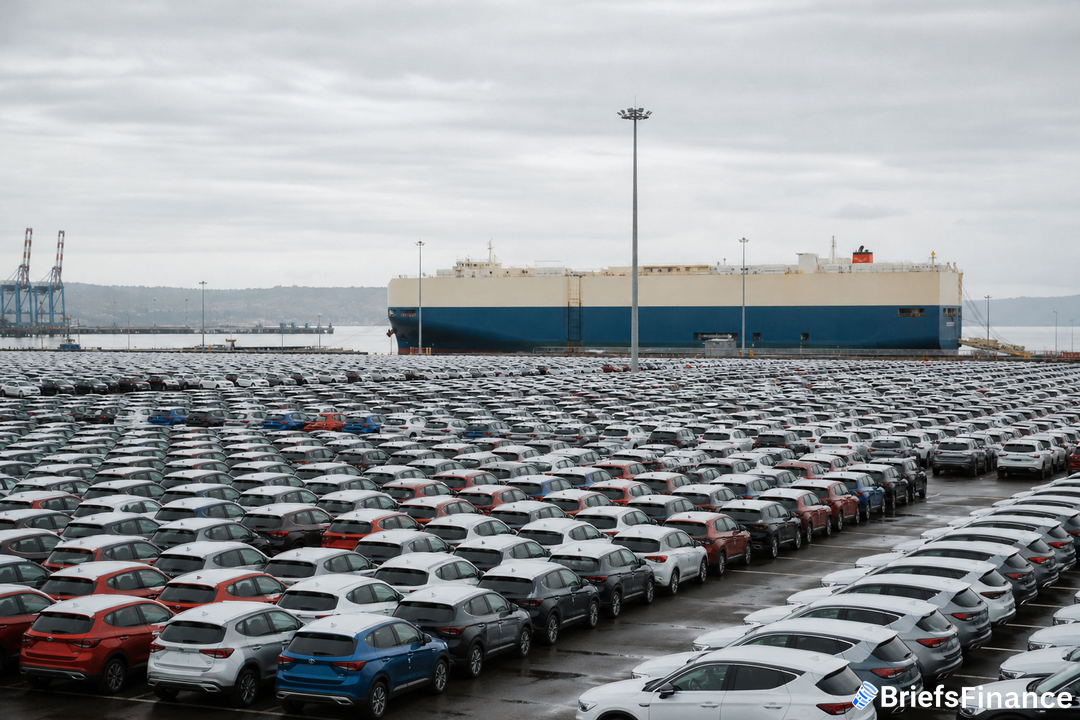
Brussels says Beijing will pare back millions of hybrid exports headed for Europe. People familiar with the discussions say the EU intends to deploy safeguard measures to curb those imports. In practice, safeguards in the EU often take the form of tariff-rate quotas that add a charge above a set volume, which fits WTO requirements.
Why Europe is turning the screws
EU leaders meet Thursday to decide whether to scale up their response to a surge of Chinese goods that has pushed Europe's trade deficit to more than €1 billion a day. With domestic demand weak, China is leaning on its manufacturing engine and overseas sales, and Europe is feeling the pressure. Last week, Berlin and Paris endorsed stronger trade defenses - among them a mechanism capable of limiting China's entry to the EU single market - to shield sectors suffering from subsidized inflows.
Following a Sunday briefing by trade chief Maros Sefcovic, EU ambassadors largely praised the result yet described it as merely an initial step toward rebalancing ties, said people familiar with the meeting. The goal is for EU safeguards to apply from Dec. 1. France and Germany have also urged the EU to probe whether subsidized imports are harming sectors such as chemicals and plastics, which could lead to additional tariffs. Beijing has warned against what it describes as protectionist steps.
Concessions in trade talks buy time more often than they settle anything. Market Briefs covers that negotiation free every weekday.
The auto fallout, by the numbers
Chinese brands have been shipping more vehicles to Europe as their home market slows. Chery Automobile is among those ramping up, adding to the drag on European peers that already rank among the weakest performers globally. Mercedes-Benz Group AG reported an 8% drop in third-quarter car sales. Volkswagen AG cut its profit outlook last month, after BMW AG delivered a similar warning in June.
One reason hybrids jumped: the EU's 2024 electric-vehicle tariffs did not apply to them. In August, Chinese brands made up roughly one-quarter of hybrid sales in Europe. Dataforce's tally covers unit sales across the EU, EFTA countries and the UK, including brands such as Polestar, DR, Evo, Chery-Ebro and Stellantis-Leapmotor ventures, and counts both plug-in and non-plug-in hybrids.
How insiders see the play and what's next
The arrangement mostly pauses the fight while talks continue in January and March. Joe Peissel, lead macroeconomist at Trivium China, called it a strategic win for Beijing, writing "Beijing has played a blinder." He added that "Beyond vehicles and modest tariff relief, nothing in the 16-point agreement suggests a significant rewiring of China's trading terms with the EU."
From industry, Renault SA Chief Executive Officer Francois Provost called the outcome a "major milestone" for Europe's auto future. Before Sefcovic traveled for the talks, he joined a group of business leaders in a meeting with the commissioner and said, "I had urged him to seek an agreement quickly." Without one, he warned, "we would be looking at a trade war with China, which would be a lose-lose situation for everyone."
Drawing on his role at Singapore Management University's law faculty, Henry Gao said the timing points to an effort by Beijing to dial down frictions before the EU leaders' meeting, especially given its ongoing tensions with the United States. He also cautioned that if Europe sticks strictly to WTO-consistent tools, "such measures may not be particularly effective in addressing the surge of Chinese exports" and are often limited in scope. At Gavekal Dragonomics, Christopher Beddor, the deputy China research director, said that securing this step forward on autos expended substantial political capital and he doubted the tactic could be easily repeated elsewhere. He added that sweeping barriers could invite retaliation, with China's grip on rare earths a powerful deterrent, even as officials currently look more inclined to cut a deal.
For your wallet, here's the bottom line: a short breather lowers headline risk for Europe-exposed carmakers and suppliers, but the real swing factors are still in motion - pending investigations, potential safeguards from Dec. 1, and China's ability to respond.
What gets conceded now shapes the next round of restrictions. Join Market Briefs free and follow it.