What's changing in Walmart's health coverage
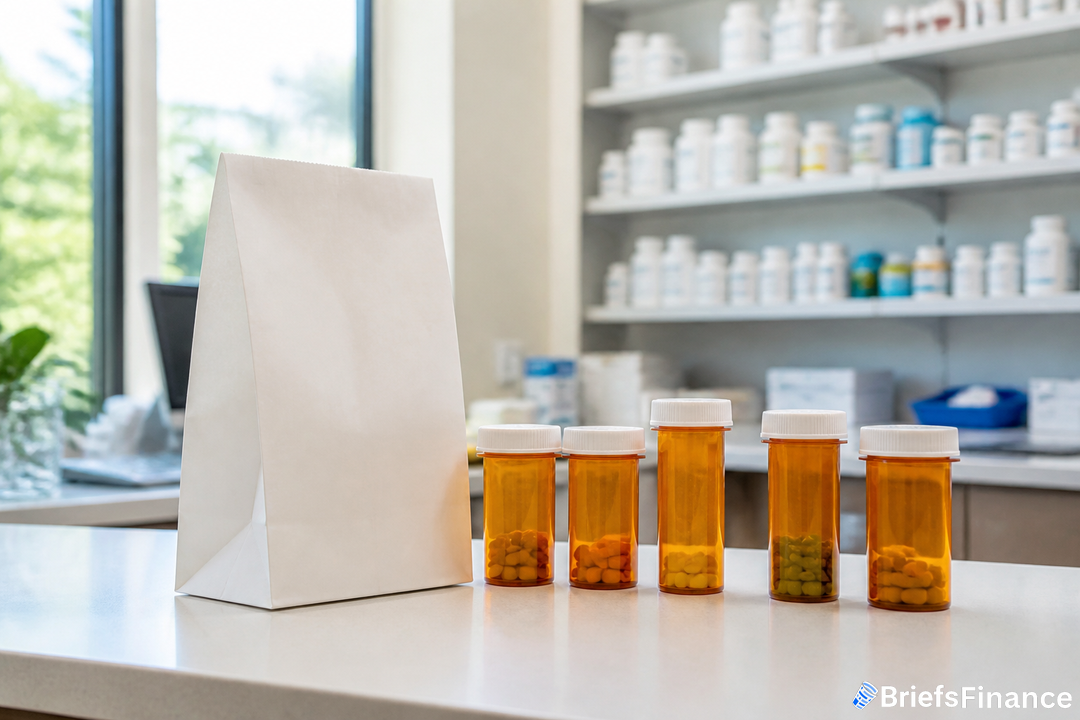
Walmart said it intends to cover more than 250 prescriptions at zero cost to employees in 2027, including select insulin products, certain inhalers, and GLP-1 therapies used to treat diabetes. The move lands as many employers are trying to rein in health spending by raising prices or trimming plan features, and it arrives just ahead of Walmart's open enrollment deadline on Nov. 6.
How the GLP-1 rules will work
The retailer will make Novo Nordisk's Ozempic and Eli Lilly's Mounjaro available at no charge for employees with Type 2 diabetes, once a new prior authorization is in place. Coverage for GLP-1s when prescribed for obesity is not included. Walmart noted it is not alone, as other large companies either do not cover those drugs for weight management or have recently dropped that option to keep costs in check.
Retailers moving into healthcare reshape what drugs cost households. Market Briefs covers that convergence free every weekday.
Added benefits beyond prescriptions
In a message to employees, Donna Morris, Walmart's chief people officer, announced the program will broaden to pay for visits with oncology specialists at either the Mayo Clinic or the Cleveland Clinic. Starting next year, most plans will also pay for second-opinion consultations on rare neurological and related disorders, including ALS, multiple sclerosis, and Parkinson's. Parents will also be eligible for up to 12 weeks of leave for a newborn's NICU stay, which can be taken in addition to existing parental and maternity leave.
What this could mean for workers' wallets
Walmart, the largest private employer in the U.S., said premium hikes are modest, with the starter plan moving up by $1.50 each pay period to $39.80, which it described as a smaller bump than last year. The company, which had roughly 2.1 million associates worldwide and about 1.6 million in the U.S. at the end of fiscal 2026, framed the updates as part of a multi-year effort to improve pay and benefits after earlier criticism. As the company put it, "The steps we're taking are based on years of planning and trying new things, which is allowing us to make meaningful improvements for associates without slashing benefits or significantly raising premiums." If you or someone in your household works retail, these kinds of changes can shift out-of-pocket costs and access to high-cost drugs, which ultimately affects how much stays in your paycheck.
Free prescription programs change the economics for insurers too. Join Market Briefs free and follow it.