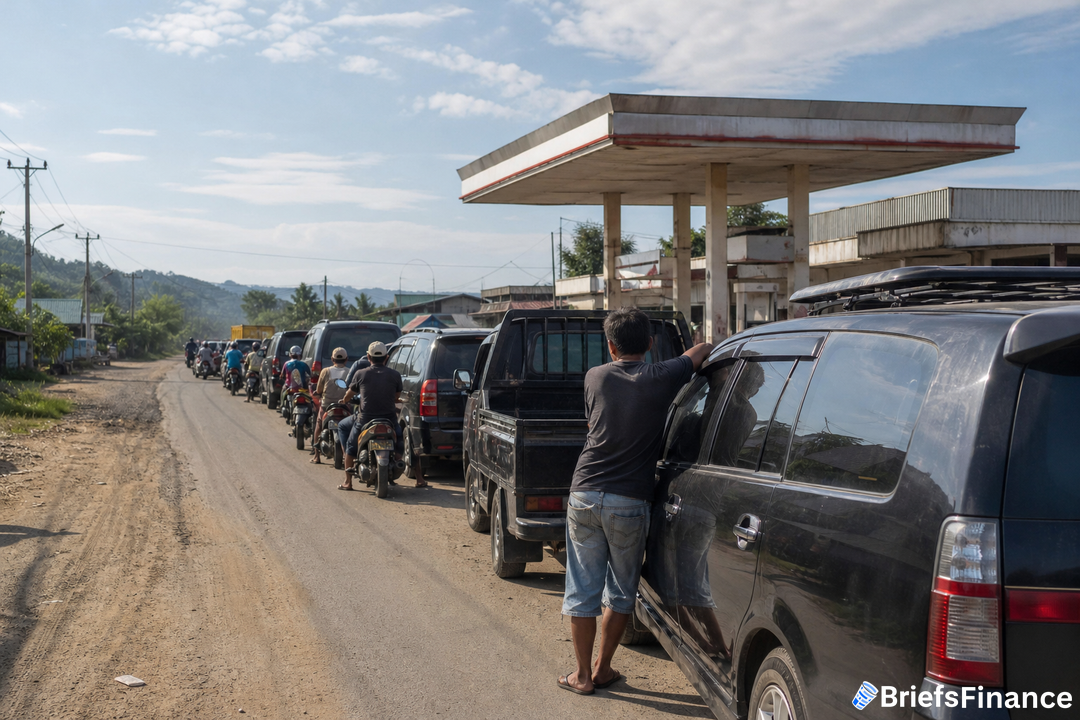
What happened on the ground
If you were trying to fill up in Bali this week, you might still be in line. In a Wednesday briefing in Jakarta, Ombudsman official Abdul Ghoffar said motorists are facing lengthy waits at stations in Bali and West Java, with some queues topping a kilometer. He added that parts of Sumatra and Sulawesi are short on subsidized gasoline and diesel. In Bali, the squeeze has thrown off school and work schedules this week, with drivers waiting for hours to refuel.
Why supplies broke down
The watchdog pointed to a few culprits moving in tandem: supply not keeping up with demand, slow throughput at stations, more people seeking subsidized fuel, and distribution hurdles. Ghoffar said conditions differ widely by region, so supply planning needs to be tuned to local realities and tracked more closely, not just judged by national stock totals. The Ombudsman is running a nationwide probe and aims to share its findings in December.
Fuel shortages reach inflation and public patience at the same speed. Market Briefs covers that pressure free every morning.
The wider backdrop and official responses
Global oil flows have been unsettled by the war in the Middle East, which has made Indonesia's already complex distribution across 17,000 islands even tougher, especially for outlying areas. To keep fuel available, the government has imported from Russia and lifted prices on non-subsidized products.
On Tuesday, PT Pertamina's president director, Simon Aloysius Mantiri, issued an apology to Bali residents after a problem with a tanker's anchor held up its docking and offloading. Separately, Laode Sulaeman, the Energy Ministry's oil and gas chief, attributed the recent shortfalls - among them the episode in Makassar last month - mainly to seasonal interruptions in fuel transportation, adding that nationwide inventories are still adequate.
What this means for your portfolio
Fuel supply in Indonesia is a story of bottlenecks meeting geography. When a country spread across thousands of islands runs into shipping delays or a rush into subsidized fuel, it can ripple into everyday routines and regional economies fast. If you're watching Indonesia, focus on the moving pieces that actually change pump availability and prices on the ground: logistics fixes, shifts between subsidized and non-subsidized demand, and signals from officials on regional supply management.
Distribution problems are often worse than supply problems. Get the free Market Briefs daily newsletter and follow it.