What inspectors uncovered
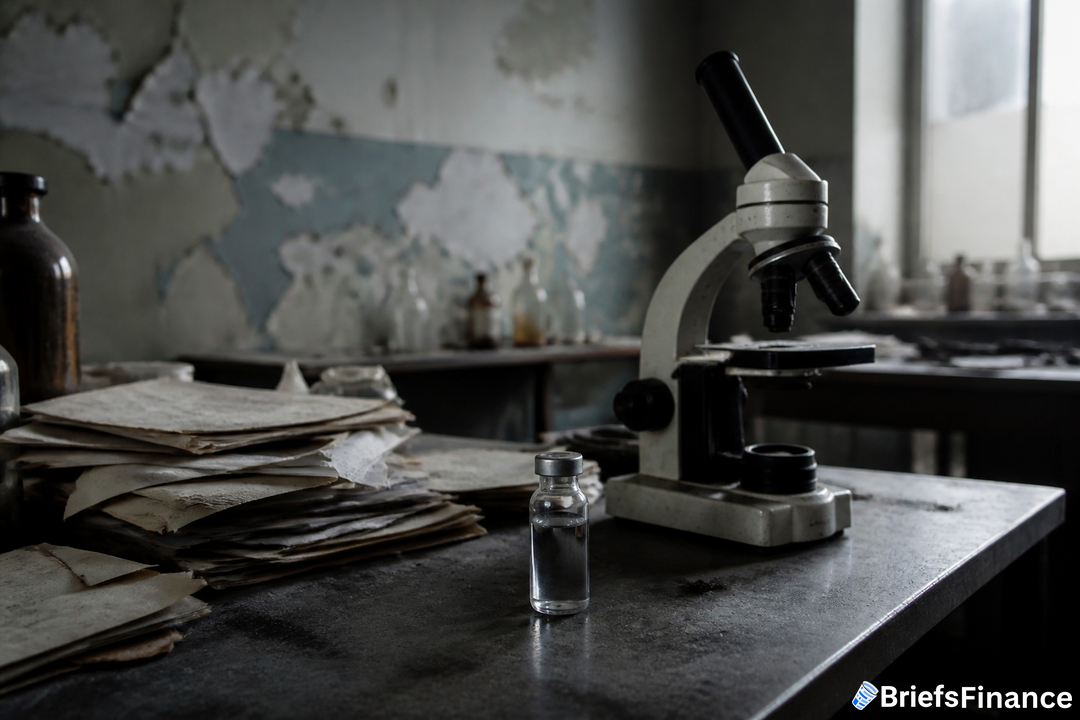
Inspection reports describe a mess at two Chinese facilities supplying active ingredients for compounded GLP-1 drugs. At Chengdu Shengnuo, inspectors noted black mold on equipment, "gross contamination" on floors, and "significant insect activity" in the ceilings. As inspectors showed up in August, quality staff were seen hustling lab papers into a nearby room and stuffing them into lockers, and personnel were observed dumping product samples into sinks "in a seemingly coordinated effort." Not all documents could be recovered, the report said.
A September visit to Nanjing Chengong Pharmaceutical found workers buying active ingredients produced by other manufacturers and then applying Nanjing Chengong's own approval seal to those materials. According to the report, staff failed to examine the source manufacturers' testing data to verify the safety of the products. The Food and Drug Administration added both companies to its import-alert list, meaning their shipments can be blocked at the border.
How this fits into the compounding boom
Compounders have rushed in with cheaper copies of wildly popular weight-loss medicines, and China has been a key source of the active ingredients. The GLP-1 building blocks here are semaglutide and tirzepatide, but the versions compounded for patients are not FDA approved and haven't been vetted for safety or effectiveness.
Brand-name and generic drugs go through FDA review, but compounded drugs don't. Regulators conduct spot checks of suppliers to compounding facilities, which must source ingredients from FDA-registered manufacturers. Separately, drug and active-ingredient makers selling into the US are expected to test samples and keep supporting paperwork on hand for FDA inspectors.
When supply chain and product safety questions arise, staying informed matters, so sign up for the free Market Briefs to get clear updates
When drugs face shortages - like semaglutide and tirzepatide in 2022 - compounders often move in to fill the gap. Those shortages have ended, yet some compounders haven't pulled back. A slice of the sector operates on the idea that adding something like vitamin B12 makes copycat sales permissible under US law.
Who's tied in and why it matters
Chengdu Shengnuo Biopharm Co. is a unit of Chengdu Shengnuo Biotec Co., and said in a Chinese regulatory filing it has been "diligently implementing effective measures" to fix the problems. The companies did not reply to emailed requests for comment.
According to a Brookings Institution analysis, a substantial portion of the active ingredients used in compounded GLP-1s originates in China, and its 2025 report named Nanjing Hanxin as a major supplier. Plants in China have frequently failed to meet US drug manufacturing standards even as the country has become central to the generic supply chain, providing ingredients and raw materials for FDA-approved generics. Michael Rogers, a principal at Canal Row Advisors and former FDA associate commissioner for inspections and investigations, said the findings "suggest a serious accident waiting to happen."
For your wallet, here's the takeaway: regulators are squeezing a fast-growing gray market that depends on complex global supply lines. Ingredient bans and closer oversight can ripple into availability and pricing for copycats, and they can also reinforce the grip of the original brands. If you're tracking this space, note the timing too: inspectors described arriving at Chengdu Shengnuo in August and at Nanjing Chengong in September, while agency records list Chengdu Shengnuo's last inspection as September 2023 and Nanjing Chengong's as March 2025.
In a complex global market, a quick daily check can save time and worry, so try our free Market Briefs newsletter