What the government is asking for
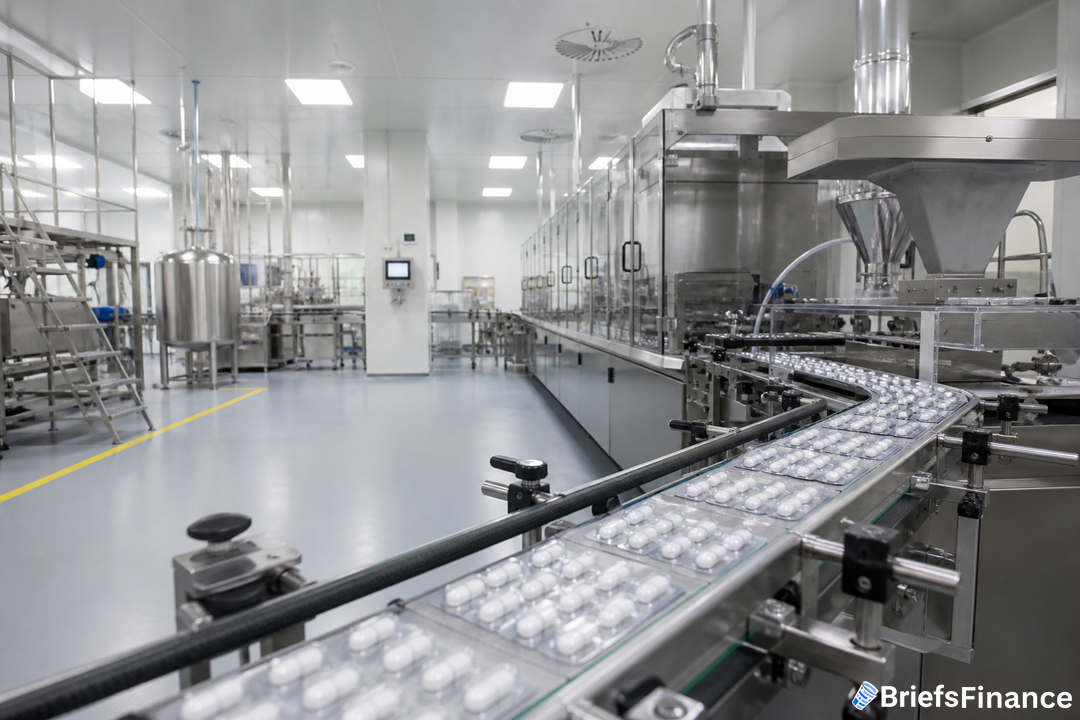
The administration is moving to bring generic drug making closer to home. OMB plans to collect proposals on how to shift output for 86 essential medicines to US facilities over the next year and a half. A committee will sort through submissions and implement the strongest ideas.
Drugmakers are being asked to spell out their ability to produce ingredients and other materials in the US, as well as what funding would be required to stand that up. The program specifically wants details on capacity and financing for amoxicillin and ciprofloxacin too. It also aims to identify facilities located in the US or nearby capable of producing the key inputs for those 86 medicines, among them doxycycline, azithromycin, HIV treatments, and the anticoagulant heparin.
Why officials say it matters
The rationale is national security. The goal is to dial back or remove dependence on generics produced overseas, notably in China and India. Those two countries hold sway over a large share of the active ingredients that power medicines, along with other crucial raw inputs. This new step reaches deeper into the generic supply chain by targeting not just finished pills, but also the active components and starting materials needed to produce them.
The tools already in play and what is next
President Donald Trump has tried in both of his administrations to revive US generic manufacturing, but those attempts have not yet delivered. Officials have met with industry and experts for about a year and a half, without landing on a single approach. Most incentives to date have focused on brand name drugs, where companies have pledged billions to build US plants in return for tariff relief and some regulatory easing.
Last year Trump told the FDA to streamline reviews and cut barriers for new or expanded US facilities, while increasing scrutiny of foreign sites. Since then, the FDA has introduced measures to speed construction and approvals for facilities in the US, and to prioritize certain medicines linked to national objectives, including expanding manufacturing in the US. The administration, in addition, deployed federal purchasing to prod production to return onshore, instructing health officials last year to begin replenishing a long dormant strategic reserve with ingredients equal to six months of supply for about two dozen critical drugs, with a preference for domestic sources.
When policy shifts happen, steady investors focus on preserving and growing capital. Join Briefs Finance CEO Jaspreet Singh on September 29th for a FREE live investor workshop, How to Profit From A Dollar That's Losing its Value, where he shows how we're spotting investment opportunities as the dollar falls. Save your spot.
In April, the administration used Section 232 to levy tariffs on certain patented medicines and ingredients after finding import dependence posed a national security risk. Firms that reached agreements with the government concerning manufacturing in the US and pricing were granted exemptions. In July, Trump announced plans to impose a 100% duty on generic medicines beginning in 2028.
What this means for your portfolio
If this plan spurs follow through, it could channel spending toward US facilities, equipment, and financing that support generic production and the ingredients behind it. The named medicines offer a rough map for where demand might show up next, from widely used antibiotics like doxycycline and azithromycin to HIV treatments and heparin. For savers, the takeaway is simple enough: when policy pushes a supply chain to relocate, the capital needs and bottlenecks tend to create new, very specific winners and costs that ripple through healthcare prices over time.
A long term approach and risk awareness help keep your savings working. Our CEO Jaspreet Singh is hosting a FREE live investor workshop, How to Profit From A Dollar That's Losing its Value, on September 29th. Sign up free to join him live.