What left Florida, and why it matters now
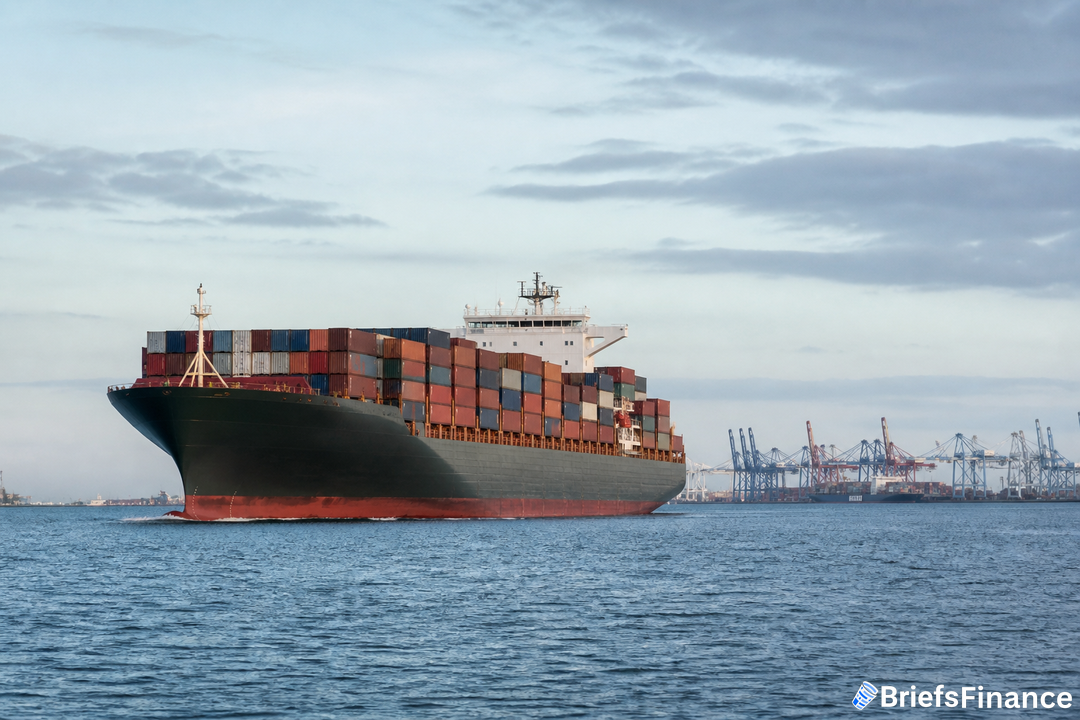
If you were up before sunrise in early September, you could have watched the container ship Regula pull away from Port Everglades outside Miami for yet another Cuba run. It was the vessel's 18th trip of 2026 to Mariel, stacking a grab bag of cargo: standard 40-foot boxes, trucks and beat-up used cars, plus container-sized gasoline and diesel tanks for delivery to Cuba's main port.
On Sept. 5, the Regula tied up at berth 33A along the Intracoastal, where two towering cranes worked the 430-foot ship for hours. Customs records show the manifests have ranged from frozen chicken and pork to Gouda, yogurt and butter, alongside freezers, cars, motorcycles and thousands of "gift parcels." So far this year, the Regula has transported at least 45,000 metric tons to Cuba, and it is among at least 45 vessels making steady U.S.-Cuba runs, according to ImportGenius data. Recent sailings have carried around 4,000 tons to Mariel, more than double the ship's load earlier in the year.
Crowley, based in Jacksonville and running the Regula along with other Cuba routes, says demand has changed rapidly. At Crowley Maritime Corp., Jay Brickman serves as the vice president responsible for Cuba services and said, "The complexity of trade to Cuba has changed pretty extraordinarily in the last few months."
A widening pipeline: fuel, food, solar and more
This is not a trickle. As of late August, nearly 720 million pounds of goods had sailed from U.S. hubs such as Miami, Houston, New Orleans, Jacksonville and Wilmington. Through July, U.S. exports to Cuba have risen 60% versus the same period last year and already surpass all of 2024, according to Census data.
Energy is the standout. Since February, when Cuban authorities opened the door to private fuel imports, roughly 850,000 barrels have been shipped from the U.S., mostly gasoline, Census data show. In July, Cuba received $16.4 million worth of gasoline from the U.S., matching the sum of the preceding six months. A niche of Florida firms such as Flash Kingz, Joe Supply and Tropical Fuel is filling those orders.
Solar is climbing too. In July, 15,000 solar cells were exported from the U.S. to Cuba, nearly twice the total shipped over the previous two and a half years. And beyond fuel and panels, the cargo lists include staples like rice and frozen chicken, plus appliances, vehicles, auto parts and motorcycles.
Policy squeeze, trade window
Here is the tension: the White House has been ramping up pressure meant to force Cuba's communist leadership from power, including a fuel blockade and expanded sanctions that rattled the island's largest trade and investment partners. At least two large shipping lines halted Cuba services, which Havana says left 7,000 overseas containers stuck in Jamaica, Panama and Colombia. Yet at the same time, Washington is letting more goods sail from the U.S. to Cuba's emerging private sector, and some stranded cargo around the Caribbean is being redirected to the island via U.S. ports.
A person familiar with the policy, who requested anonymity to discuss sensitive planning, said the aim is to avert a humanitarian and migration crisis and to reduce the Cuban government's role as the country's main supplier of goods and services. Much of the rise is flowing through a license category called "Support for the Cuban People." It started as a way for Cuban Americans to send care packages, but entrepreneurs have scaled it up this year, and the typical Regula load headed to Cuba has doubled this year. And as Trump's crackdown snarled regional logistics, some of that cargo has been rerouted to Cuba through U.S. ports.
Global trade shifts remind investors to protect savings with thoughtful planning and patience. Join Briefs Finance CEO Jaspreet Singh on September 29th for a FREE live investor workshop, How to Profit From A Dollar That's Losing its Value, where he shows how we're spotting investment opportunities as the dollar falls. Save your spot.
Officially, the White House directed inquiries to the State Department. In an emailed statement, a State spokesperson said that, because the island's government is not meeting "the basic needs" of its citizens, the U.S. is a leading exporter sending food and humanitarian goods to Cuba. "US sanctions target the regime's sources of revenue, its elites, and insiders, while maintaining important humanitarian exceptions such as for the export of food and medical goods," the spokesperson added. The Commerce Department, which oversees export controls, did not comment.
Cuba's top diplomat in Washington, Lianys Torres Rivera, acknowledged the help but called it insufficient. "Look, it's positive," she said. "But the United States should not restrict any imports to Cuba."
Not everyone in South Florida's exile community is on board. "I know that people in Cuba are suffering so much because there are shortages of everything," said Armando Labrador, a Miami plastic surgery clinic owner who heads a dissident organization on the island. "But in the end, this only helps keep the regime alive."
The new senders, and what this wave signals
Think less heavy industry and more Amazon-style logistics. Newly formed companies are using online storefronts to deliver all over the island, including CubaMax and Supermercado23. The most active exporter by shipment count is Joe Supply, operating out of a modest house in Wellington, about a half hour from Mar-a-Lago, with 85 shipments logged through late August, according to trade records.
For families, this is personal. "This is the only solution because my family back in Cuba has nothing because there is nothing," said Jose Campos after sending groceries via Abe Express, a Little Havana startup that opened late last year. "Things are so desperate everyone has to step up and send things back home."
And on the docks, the change is obvious. Todd Cooper, who has spent 14 years as a harbor pilot at Port Everglades, said Cuba-bound ships used to be rare. Lately, captains keep mentioning the same destination. "I just started hearing Cuba, Cuba, Cuba," he said. "All the sudden, Cuba is booming."
Keeping a steady plan helps your money weather change and grow over time. Our CEO Jaspreet Singh is hosting a FREE live investor workshop, How to Profit From A Dollar That's Losing its Value, on September 29th. Sign up free to join him live.