What happened
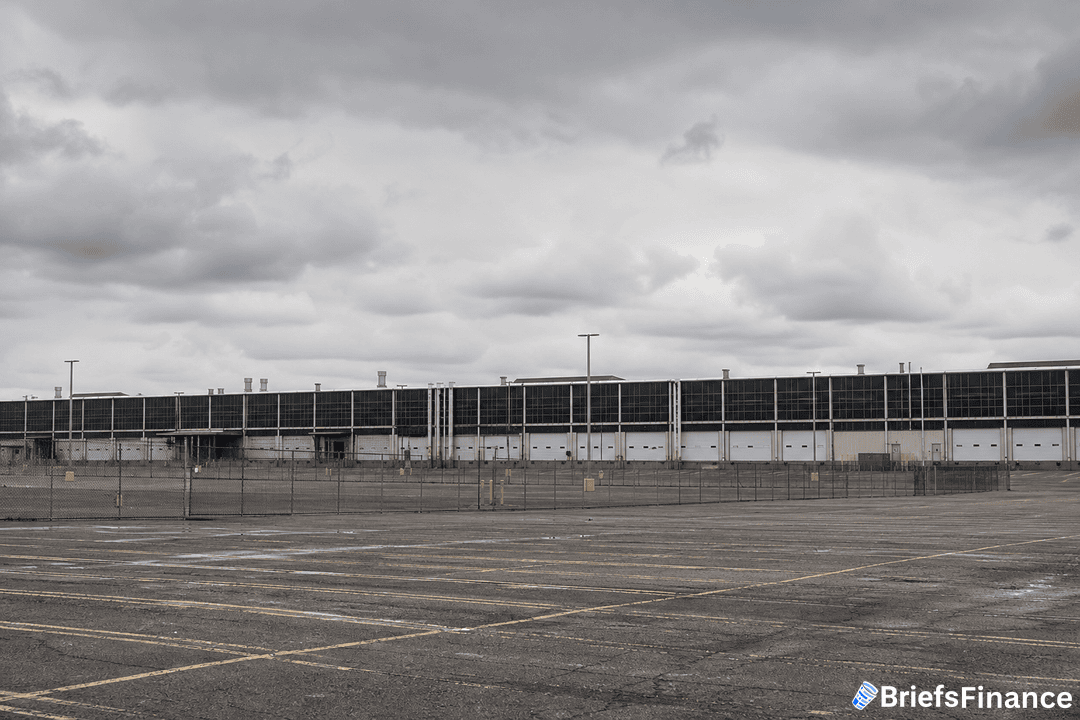
Canada's federal and Ontario governments, along with the union representing workers at Stellantis's Brampton, Ontario facility, are moving to block a sale of the idled plant, according to a person familiar with the talks who requested anonymity. The factory near Toronto stopped making vehicles in late 2023 and has since become a political lightning rod in the country's manufacturing belt.
On Friday, Industry Minister Mélanie Joly, Ontario Premier Doug Ford and Unifor National President Lana Payne met with Stellantis Chief Executive Officer Antonio Filosa regarding a proposal to sell the plant to Roshel Inc., a Canadian producer of armored vehicles. Payne said the sale has not closed and should be reversed, adding that talks are expected to continue next week.
What officials said and the numbers
After the meeting, Ford remarked that with Brampton sitting idle, Stellantis is facing yearly expenses of about C$135 million ($94 million) to keep the plant maintained, and added, "we've come up with an idea to mitigate those costs." Separately, a government official said the company could face a projected C$831 million repayment if it does not resume building vehicles, reflecting supports already provided.
Joly said last week the federal government put forward an "aggressive package" to persuade Stellantis not to proceed with a sale, and warned that failing to restart production would mean the company owes "hundreds of millions." Stellantis spokesperson LouAnn Gosselin said, "The future of our Canadian operations and our employees remained the focus of today's second meeting," and, "We remain committed to continuing constructive discussions."
When policy choices affect communities, stay informed and sign up for the free Market Briefs newsletter for a quick daily recap.
The company halted plans last year to switch Brampton to SUV production after the Trump administration began phasing in auto tariffs. Ontario Economy Minister Vic Fedeli said Stellantis emphasized tariffs and greenhouse gas emissions costs during talks. Prime Minister Mark Carney has eased auto-sector climate rules, saying last month the government would delay higher federal vehicle emissions standards and hold them at 2026 levels through 2029. Even so, Ford said Canadian automakers still face costs not seen in the US.
What to watch next
Payne said Stellantis will send its North America chief operating officer for further negotiations. She also said, "Everybody has got to fight together to make sure that we are keeping this production."
The bottom line: policy, penalties and carrying costs are converging on one plant. If production restarts, it preserves jobs and avoids a sizable clawback; if not, a sale to Roshel changes the asset's trajectory and could reshuffle how investors think about Canada's auto footprint and related suppliers.
If you want clear context on economic developments, sign up for the free Market Briefs and get five minute updates each morning.