What the package includes
Prime Minister Sébastien Lecornu said in Paris on Thursday that the recovery plan will land between €500 million and €700 million, with the final figure set by Parliament, and will be written into the 2027 draft budget. He framed the effort around helping agriculture adapt to a warming climate, asking, "How to ensure, in very practical terms, that next summer doesn't look like the summer we've just experienced." Officials also said this budgeting will not alter the aim to keep the deficit at 5% of GDP.
How the government is already acting
A separate €1.3 billion emergency agriculture program has been launched, funded mostly by shifting money from the 2026 budget. When rolled out last month, that plan was described as totaling more than €1 billion. With sales of hallmark French wines and grains flagging from their traditional global reach, the government also opted for an emergency bill to safeguard the industry.
Why the push now
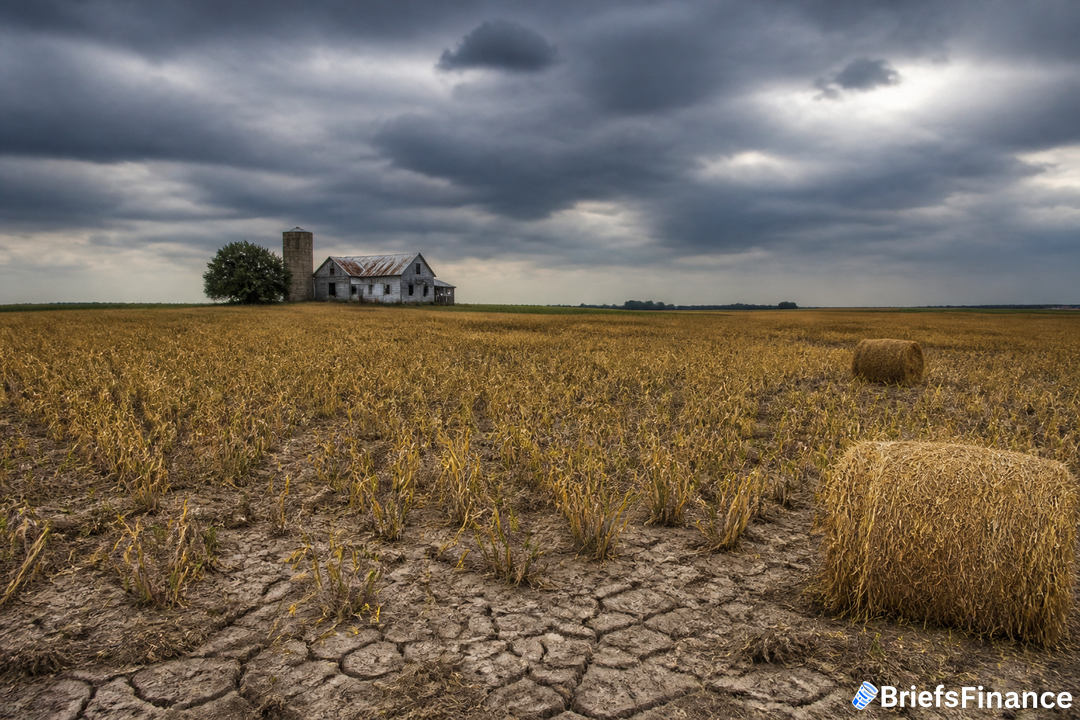
France, Europe's biggest farm producer, has suffered harvest risks from drought, heat waves and wildfires, and officials link the increasing frequency of these events to climate change. At the same time, fertilizer and fuel remain costly, with officials tying those price pressures to wars in Iran and Ukraine. Those strains are bearing down on President Emmanuel Macron's administration, which has been confronted with street demonstrations and labor walkouts ahead of the presidential elections next spring.
What the new law does
An emergency law adopted in August includes moves to expand livestock farming, bolster water storage and irrigation, crack down on unfair competition, and prioritize French products in public cafeterias.
When economic signals touch everyday life, sign up for the free Market Briefs to get clear daily context in five minutes
What this means for your portfolio
This is the state leaning in with cash now and a bigger rebuild later to keep farms producing in tougher conditions, while sticking to a 5% deficit target. If you hold food or agriculture names, this kind of policy support can influence input costs, resilience of French supply, and demand patterns across Europe.
Because staying aware helps you navigate choices calmly, subscribe to our free Market Briefs newsletter for a five minute daily summary