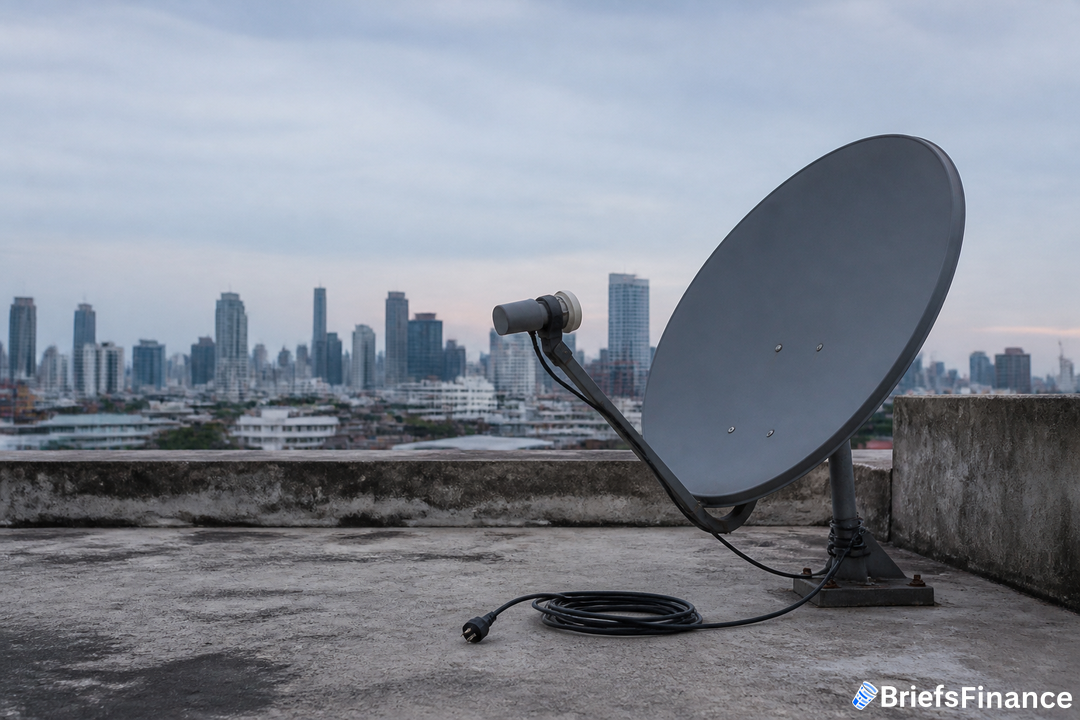
What happened and where Starlink and Starshield fit in
Shortly after Ukrainian forces used SpaceX's network in a successful counter-attack, access to the service was temporarily reduced. The timing mattered because the dip came ahead of renewed Russian strikes and hindered Ukraine's interceptors, which rely on a militarized Starlink setup known as Starshield.
That same infrastructure supported Operational Vivaldi, a campaign that wrapped up this month after freeing more than a dozen settlements and preventing Russia from seizing all of the Donetsk region. Troops used SpaceX-linked terminals to steer drones, bombs, and ground robots into and behind Russian positions, smashing fortified sites and isolating logistics hubs. According to the unit in charge, last month it identified Starlink as its main operating platform.
The military view and on-the-ground effects
Using Starshield, operators sent robotic kamikaze vehicles built from Soviet-era BTR-60s deep into areas behind Russian forces. They also airdropped compact, four-wheeled Hyena robots and piloted them via SpaceX's network. The advance covered more than 100 square miles - roughly twice Manhattan - and slowed Russia's push toward Slovyansk and Kramatorsk, the last major cities Ukraine holds in Donetsk.
Politics, accusations, and the Washington angle
Zelenskyy publicly blamed Trump and Musk for allowing the restriction. On Friday, Trump said, "It wasn't me and I don't think it was Elon," and US officials said he did not order limits on Kyiv's SpaceX access. Why access was curbed remains unknown. Zelenskyy said on Friday that connection speeds have improved but full service has not yet returned.
The White House has expressed discomfort with Kyiv's long-range attacks on Russian energy facilities and, with US midterm elections on Nov. 3 approaching, is anxious about energy prices. Ukraine says those deep strikes do not use SpaceX gear. As Zelenskyy put it, Ukraine uses "Starlink for strikes against enemy military targets within temporarily occupied territories," and not for attacks inside Russian territory.
When complex stories touch geopolitics and markets, sign up for the free Market Briefs newsletter for a clear daily five minutes update
The bigger picture and market takeaways
The counter-offensive showed allies that Kyiv retains the ability to seize the initiative, which many analysts see as essential to raising pressure on Russia. It also underscored how central Starlink and Starshield have become across Ukraine's forces as Kyiv seeks full restoration of service.
SpaceX connectivity has at times cut both ways. By comparison, Vivaldi recaptured more than 100 square miles. The reliance worries soldiers who fear another sudden restriction.
The bottom line: satellite connectivity is now a critical input for modern warfare and, by extension, a risk factor for defense and space exposed portfolios. Access can change quickly, shifting battlefield performance and the politics around it.
If you want to quickly make sense of market and policy noise, get Market Briefs delivered free each morning in five minutes