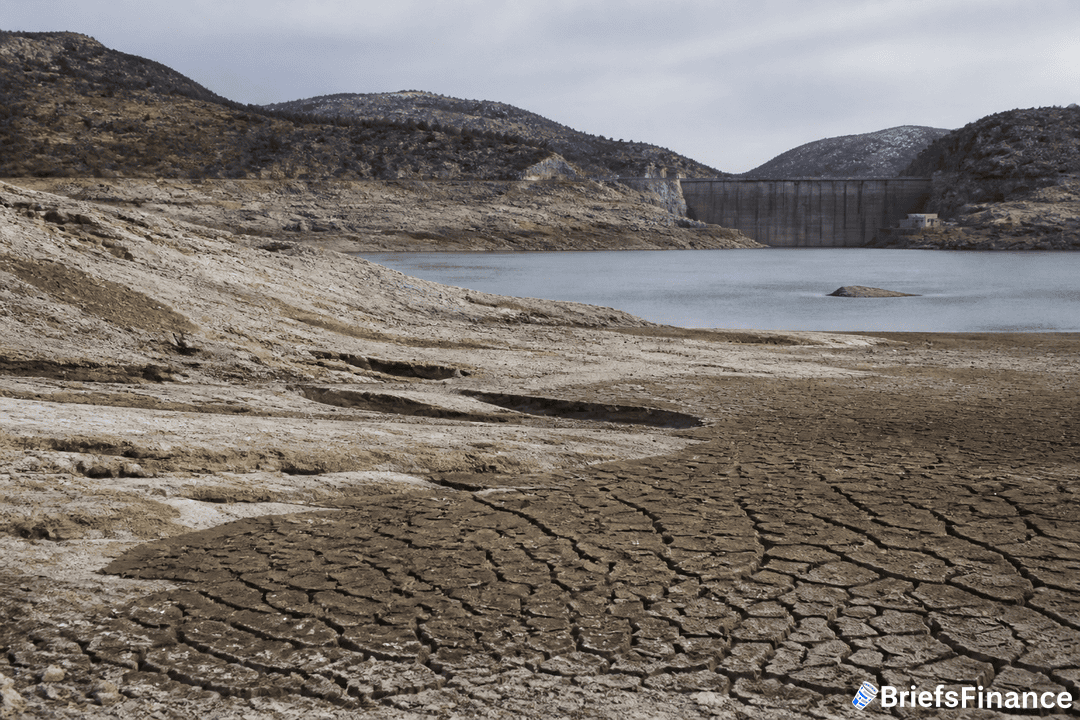
Reservoirs Hit a New Seasonal Lows
Water feeding southern Norway's grid has dropped to levels never seen at this point in the year. The NO2 price area holds 15.6 terawatt-hours of stored energy, per the Norwegian Water Resources and Energy Directorate, undercutting the previous for-this-season level of 15.7 terawatt-hours logged in 1996.
Months of dry weather and scant snowfall last winter set the stage. Norway is among Europe's largest power exporters, and its hydropower system normally flexes to help neighbors when wind and solar sag. Lower reservoirs shrink that safety valve.
Why It Matters Now
Should autumn fail to deliver substantial rainfall, weaker hydro output would likely increase Europe's reliance on gas, at a moment when fuel prices are already at their highest since early 2023 amid the US-Iran war. In Oslo, Volt Power Analytics' managing director, Katinka Bogaard, said, "There's a risk of really high prices," and she also warned the strain could carry on through winter and into spring.
An early cold snap would make it tougher, since moisture would fall as snow and stay locked in the mountains instead of flowing into reservoirs to rebuild supply.
The money story behind the headlines is usually the part that matters. Join Market Briefs free and get it every morning.
What Regulators and Users Should Watch
NVE said last week that it does not currently see a threat to security of supply. Even so, it introduced stricter reporting requirements for generators in central Norway's NO3 region, which typically imports power in winter. The agency signaled those obligations could be applied to other regions if hydro conditions fail to improve.
Households in Norway are widely cushioned from swings in wholesale prices by government support. Industrial buyers, however, could face higher electricity costs if they have not adequately hedged.
What It Means for Your Money
Tighter hydro in a major exporting country can ripple through European power and gas markets, especially if early cold delays reservoir refills. That backdrop points to choppier energy costs and potential pressure on energy-intensive businesses until the weather does the refilling.