What the talks cover
President Volodymyr Zelenskyy said Ukraine is negotiating with Turkey, Egypt and India to reopen Black Sea civilian navigation, with a focus on agriculture exports. Those three countries have floated a plan to guarantee safe passage for vessels sailing under their own flags, calling at both Ukrainian and Russian ports to load food. As Zelenskyy put it, "One ship heading to our port, and the other to Russian and we accept agreements not to strike either of these vessels."
He added that Russia opposes the idea despite ongoing outreach by Turkish, Indian and Egyptian intermediaries.
Why Ukraine needs new routes
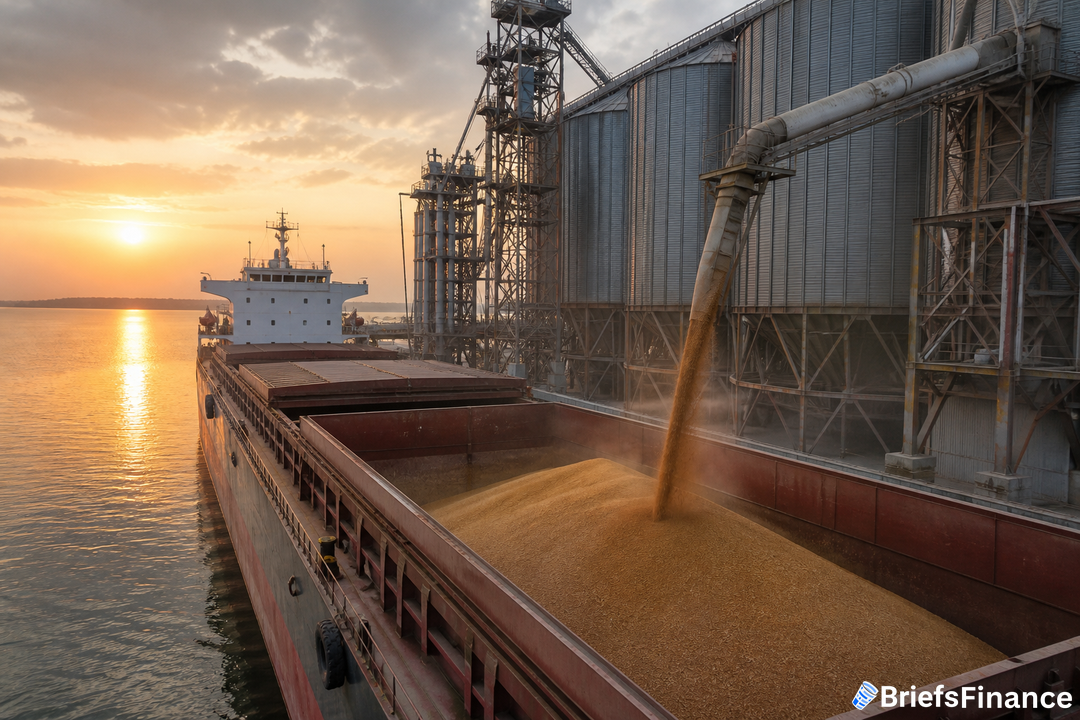
Ukraine's Black Sea ports are the main artery for its food exports and can move as much as 40 million tons (36.3 million) of grain in a marketing season. However, starting in August, departures from those harbors stopped after Russia carried out airstrikes that hit port facilities and vessels. Zelenskyy told Bloomberg News, "We cannot manage this volume of shipments by rail."
After Ukraine struck what is known as the Russian shadow fleet last summer - the network that moves mostly sanctioned oil and fuel - its own civilian port facilities faced heavy strikes. Today, exports are running at only 38% of normal volumes, according to Ukraine's Agriculture Ministry.
When global supply lines matter to food and trade, stay informed with the free Market Briefs newsletter
The EU fallback Kyiv wants back
Zelenskyy said Ukraine has asked the European Union to revive the "solidarity lanes" that helped reroute grain by European railways and ports at the start of Russia's full-scale invasion in 2022. "We are asking the EU to reinstate the 'solidarity lanes' to facilitate grain exports," he said, adding, "Everyone needs this grain."
What it means for your portfolio
If talks produce safe Black Sea corridors or the EU renews solidarity lanes, grain shipments could rebound. Until then, the combination of shuttered seaports and damaged infrastructure limits flows - a constraint worth factoring into positions tied to global agriculture and freight.
Because safe shipping routes affect exports and livelihoods, sign up for free Market Briefs to get five-minute updates