What DNB did and why
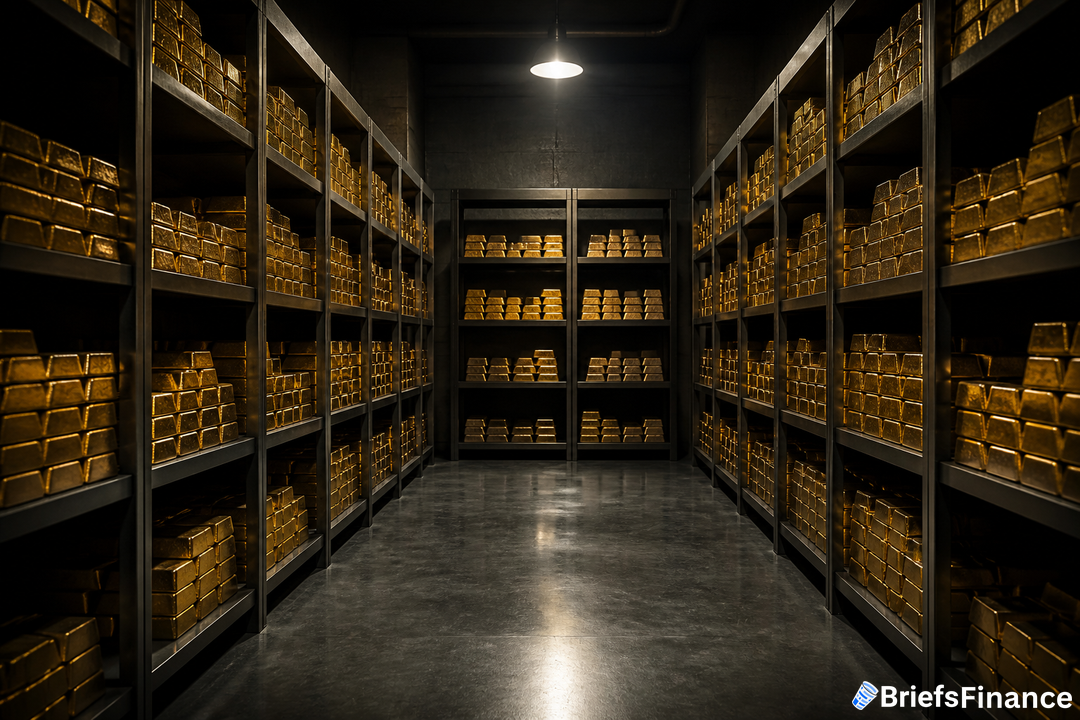
The Dutch central bank said Wednesday it moved about 86 metric tons of its bullion out of New York and Ottawa and into London over the March to August window, citing "increasing geopolitical unrest" as a reason to bolster contingency plans. London was chosen because gold held at the Bank of England must meet international trading standards and is recognized as "the world's most easily tradable gold." By comparison, DNB said bars kept in the U.S. and Canada are not as ready for immediate use in an emergency.
"With this relocation, we have improved the tradability of our gold reserves. We expect that we will never need to use them, but we do need to strengthen our resilience and preparedness," DNB Governor Olaf Sleijpen said. The bank added the shift enhances its "crisis preparedness."
Comments and wider moves
This is not an isolated reshuffle. Earlier, the French central bank swapped out 129 metric tons of gold it kept at the New York Federal Reserve, with the operation taking place between July 2025 and January 2026. At the time, Bank of France Governor Francois Villeroy de Galhau stressed that the move was not political.
In light of the latest Dutch transfer, DNB said its geographic split is now "more balanced," with London at 32.1%, its cash center in Zeist at 30.8%, and New York and Ottawa each at 18.5%.
The best financial decisions come from understanding the whole picture. Join Market Briefs free and get the full brief each morning.
Market context and what it means for you
The timing lines up with a powerful gold rally and ongoing U.S.-Iran tensions centered on the Strait of Hormuz, with any comprehensive settlement still a long shot. Over the past year, gold has climbed by nearly 25%. It was recently at $4,429.61 an ounce, up almost 1% on the day.
For regular savers watching central banks shuffle their safety nets, the signal is simple: tradability and readiness matter when the world feels jumpy. DNB's new mix leans into that, putting more of its stash where it can be turned into cash fast if needed.