The latest tally
In August, Saudi Arabia's tracked crude exports fell to around 3 million barrels a day, the smallest level in at least nine years. That estimate, compiled from tanker tracking by Bloomberg, Vortexa and Kpler, is in line with views from crude market participants and someone familiar with the kingdom's operations.
Flows out of the west coast surged earlier this summer as Riyadh shifted barrels. Exports via the Persian Gulf, which had risen to roughly 800,000 barrels a day in July, declined again in August.
These monthly figures are provisional and could change as more dark voyages and ship-to-ship transfers are uncovered. Saudi Aramco declined to comment, and the energy ministry did not respond to a request for comment.
The money story behind the headlines is usually the part that matters. Join Market Briefs free and get it every morning.
How the routes got squeezed
Saudi tankers have been attacked in the Red Sea by Yemen's Houthi militants, jeopardizing a route the kingdom relied on during the war to bypass the highly contested Strait of Hormuz. Amid the newest spike in strains between the US and Iran, two more Saudi crude tankers were struck by projectiles in the Strait of Hormuz this week; Bahri owned one of the vessels and reported that two seafarers had been killed.
With some customers now reluctant to use Red Sea ports, Riyadh has had to consider longer voyages around Africa, adding thousands of miles and worsening strains on global supply chains after six months of regional conflict.
A fragile balance for supply and prices
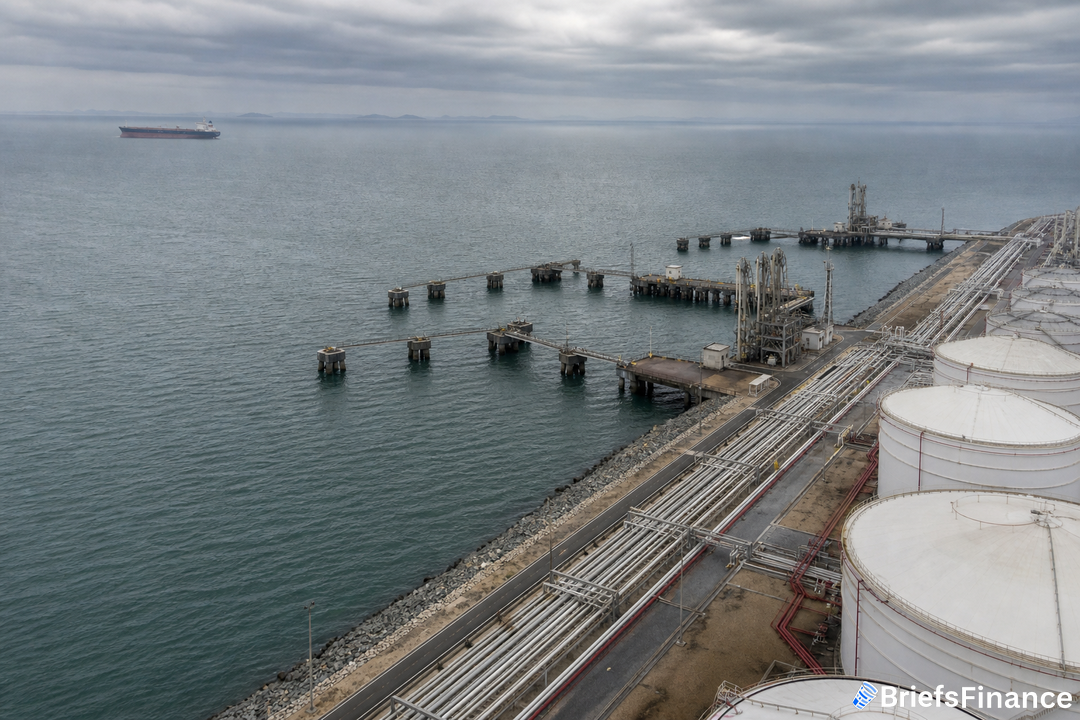
In the weeks following the late February start of the war, when Iran effectively shut Hormuz, Saudi Arabia swiftly shifted exports to its Red Sea coastline. That move helped cool a run-up in oil prices and cushioned economies from an inflation spike. Last month showed hints of a rebound at Ras Tanura on the Gulf coast, where satellite imagery indicated a cluster of four tankers loading. Those barrels added to supply from Iraq and Kuwait, while the United Arab Emirates continued to move cargoes through Hormuz.
Tensions escalated this week after the US struck military targets in Iran and Tehran answered by firing projectiles at other Gulf countries that have American bases. Brent pushed back above $95 a barrel in London, the highest since late July, reviving worries about inflation pressures and the risk of interest rate hikes.