What happened
Price pressures in Pakistan picked up again in August, with the headline index rising 11.15% from a year earlier. That outpaced economists' 10.9% median estimate and followed a cooler 9.2% print in July.
Why it matters
The State Bank of Pakistan is trying to cool inflation without knocking a fragile recovery off course. It held its benchmark rate steady at 11.5% in July and has signaled vigilance on renewed price risks ahead of its Sept. 14 policy decision.
What is adding pressure
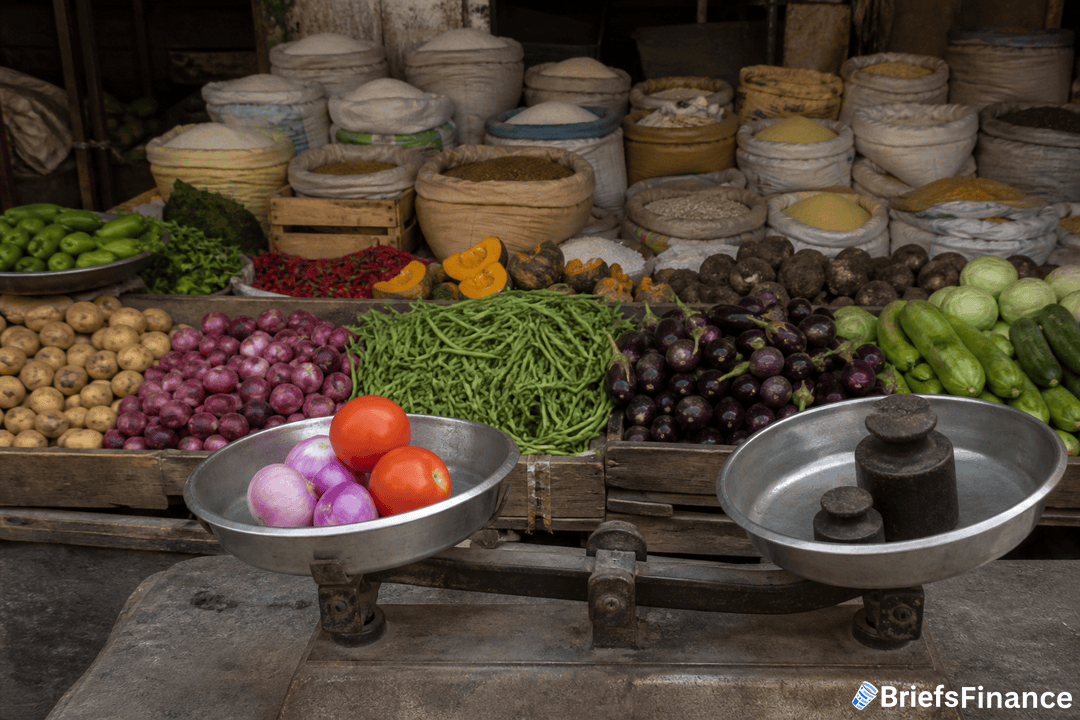
Tensions in the Middle East are clouding the outlook for an import-reliant economy, where higher energy and shipping costs can quickly ripple into broader prices. Food inflation accelerated to 13.89% in August from 10.64% in July, and the housing and energy basket rose 8.87% year over year.
Understanding what moved a market beats knowing that it moved. Get the free Market Briefs daily newsletter and follow the drivers.
What this means for your wallet
Despite the inflation bump, the broader backdrop has brightened. Moody's Ratings and S&P Global Ratings both upgraded Pakistan's sovereign credit rating in recent months, citing healthier external buffers, sounder public finances, and momentum on reforms. For everyday finances, that mix looks like higher near term prices alongside signs the country's financial footing is getting sturdier.