What happened
Economic growth quickened to 4.43% in the second quarter from 3.89% in the first, according to Monday's release from the National Bureau of Statistics in Abuja. The reading topped the 4.2% median projection from three economists in a Bloomberg poll.
Why oil mattered
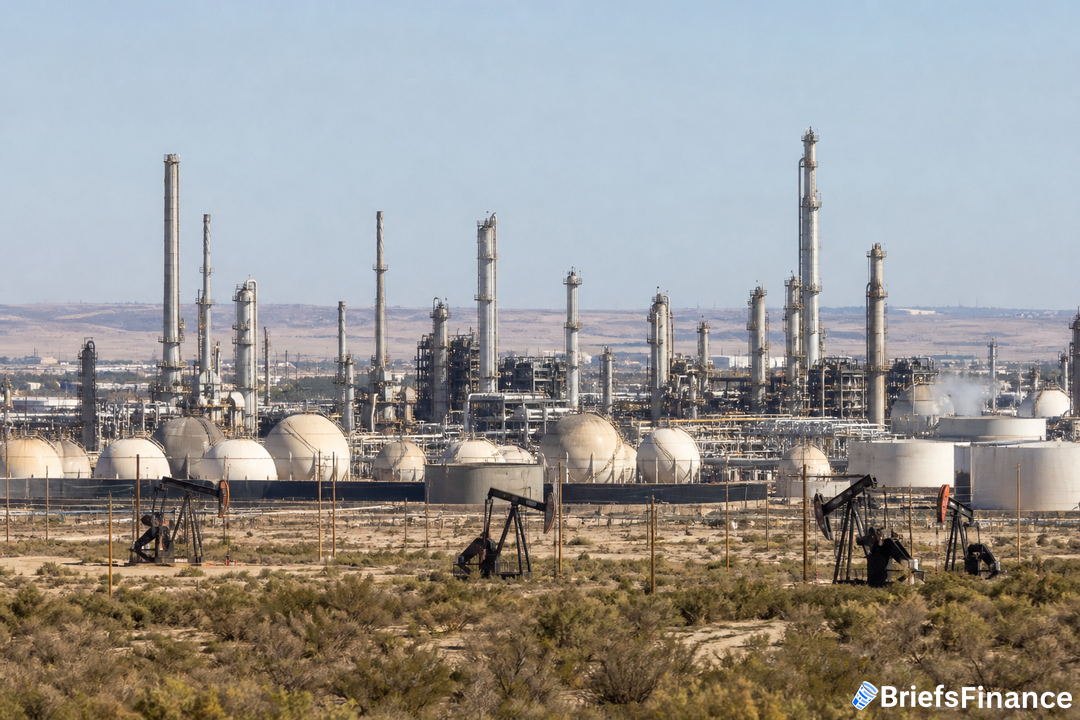
Stronger crude markets - linked to the US war on Iran - supported Nigeria's performance, with that conflict tightening flows through the Strait of Hormuz and pushing average prices to $93 a barrel versus $73 in the prior quarter. The oil industry expanded 7.31% after 2.57% previously, and producers lifted daily output to 1.72 million barrels from 1.55 million.
Non-oil and refinery demand
Outside hydrocarbons, the economy advanced 4.31% compared with 3.94% in the previous quarter, led chiefly by telecommunications and agriculture. Demand also increased for products from Dangote Petroleum Refinery & Petrochemicals FZE.
The money story behind the headlines is usually the part that matters. Join Market Briefs free and get it every morning.
Politics and what it means for your portfolio
Economic performance is central to the campaign ahead of January's elections, when President Bola Tinubu seeks a second four-year term. His removal of fuel subsidies and the opening of the currency market were intended to shore up public finances, but they have also intensified inflation and kept interest rates elevated. While the upside surprise may bolster the case that reforms are gaining traction, the opposition is likely to emphasize extreme hunger, worsening poverty, and an enduring affordability squeeze.