What changed and where it was announced
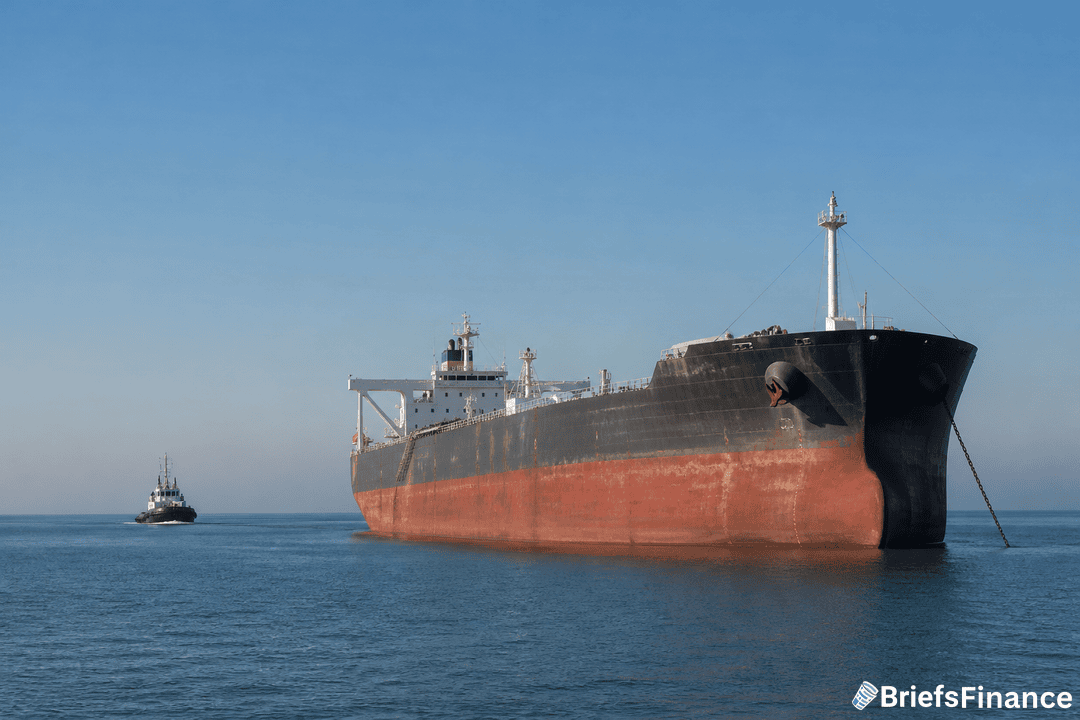
Energy Secretary Chris Wright described the policy shift in New York on Monday during a Citadel Securities gathering, speaking with Bloomberg's Annmarie Hordern. He said the administration will permit sanctioned tankers to be sold so they can return to lawful crude transport. "We're going to move some of the ships from what I call the 'bad-guy fleet' to the 'good-guy fleet,' " Wright said. "They will not carry sanctioned oil anymore."
Wright said the administration is running an approval process to grant legitimate status and pushed back on the idea that sanctions are simply being lifted. "We are converting dark tankers to legitimate tankers," he said. "There is no removing of sanctions."
How the plan would work
Wright noted that the government is partnering with investors that purchase idle sanctioned tankers, overhaul them, and deploy the vessels to carry non-sanctioned oil. He put the global "dark fleet" at roughly 1,600 vessels and said the effort could ultimately add "dozens" or even "hundreds" of tankers to the legitimate fleet.
His remarks provided the first thorough public outline of a plan intended to increase the pool of vessels able to move crude and to shore up supply that has been hit by the war in Iran and by the de facto shutdown of the Strait of Hormuz.
When policy decisions can reshape industries, stay informed with the free Market Briefs newsletter that breaks complex moves into five minutes.
The market backdrop and shipping squeeze
Risks associated with transporting oil through the strait have driven shipping costs sharply higher. Transporting crude from the Persian Gulf to East Asia now costs more than six times what it did before the conflict. And capacity has clustered near the chokepoint: more than 40% of the world's roughly 850 very large crude carriers are in the Persian Gulf or within about two days of it, according to Signal Ocean.
The politics are loud too. Republicans face voters worried about higher fuel costs in the weeks before midterm elections, with gasoline and diesel prices having surged following the Mideast conflict.
The diesel gambit and why it matters for investors
Wright also said that one motivation behind the administration's decision to coordinate with Russian President Vladimir Putin to route the nation's diesel to international buyers - a step widely condemned - was to build pressure on the Kremlin to bring the war with Ukraine to a close. "If you can produce more diesel than you consume, you can export it to the world. Well, what's their route to do that? They can they can end the conflict in Ukraine," he said. "They could get an energy ceasefire with the Ukrainians and fix their refineries, or they can reduce their consumption of diesel for war fighting activities."
The bottom line: legitimizing part of the dark fleet could lift available capacity and temper freight rates, while any incremental diesel exports would ripple through refined-product markets. For portfolios with energy producers, refiners and shippers, more ships and smoother flows can change earnings math on both shipping margins and fuel costs.
As global markets and energy trends evolve, get clear context each morning from Market Briefs newsletter summaries in five minutes or less.