What Changed in the Draft
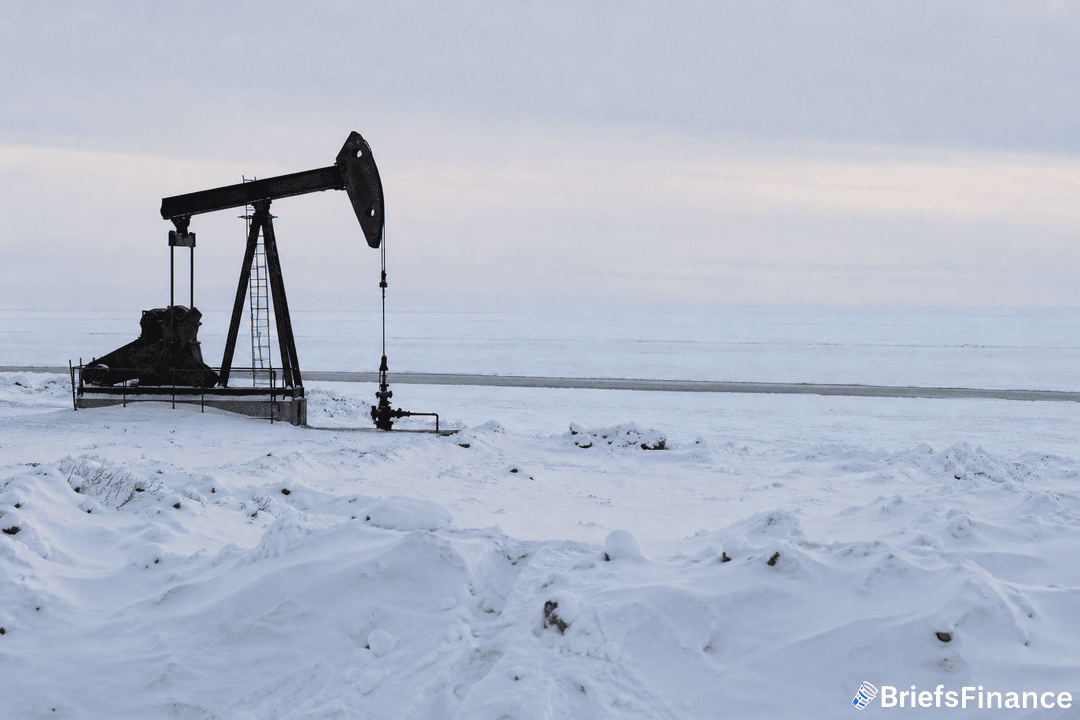
Brussels is recalibrating how it talks about Arctic oil and gas. A draft of the EU's upcoming Arctic strategy omits any reference to a moratorium on new drilling, a departure from 2021 language, yet repeats that coal, oil and gas should remain undeveloped.
Previously, the position cited targeted bans covering portions of the US, Canada and Greenland, and pushed for a worldwide legal prohibition on launching new Arctic hydrocarbon projects and on purchasing any such fuels if they were produced. The new draft steers away from that framing after tough talks with Norway, which had argued against climate-based resistance to exploration in the high north.
Some in the industry feared Brussels would pledge to shun oil and gas sourced from Norway's new Arctic fields, but the draft instead states the EU will "prioritize" renewable energy sources and hydrocarbons that originate beyond the Arctic. According to the European Commission, it will pursue an international pledge aimed at stopping any additional Arctic oil and gas development - and the buying of those resources - whenever such actions "poses a threat to the Arctic ecosystem."
Why Norway Is Central
Norway is deeply tied to Europe's energy mix. It supplied almost one third of the EU's gas imports last year, with a small portion linked to Barents Sea fields. The country granted five exploration licenses in the Barents Sea last year and has opened 38 blocks for 2026 applications.
A spokesperson for Equinor ASA, whose operations include production and exploration in the Barents Sea, directed inquiries to the Energy Department, and the ministry's spokesperson said they would not provide any remarks before the strategy's release.
Energy policy and markets evolve constantly, so get the free Market Briefs newsletter to understand economy, stocks, crypto, and real estate quickly.
Climate Goals and Seabed Mining
While the tone on drilling is softer, the broader message stays: the EU says coal, oil and gas should remain unextracted to meet its climate plans. The bloc also keeps a legally binding target to lower net greenhouse gases 90 percent by 2040 compared with 1990.
Environmental groups do not view the changes as a major pullback. Paal Frisvold, who leads the Alliance to Preserve the Moratorium on Oil Drilling in the Arctic, said leaving out "moratorium" strengthens the core message and added, "EU is determined to keep fossil fuels in the ground."
The draft likewise keeps the EU opposed to deep-sea mining until the existing scientific knowledge gaps are "satisfactorily filled." Norway approved seabed mining in 2024, though no extraction has begun.
What It Means for Your Portfolio
Think of it as a pecking order: renewables first, non-Arctic hydrocarbons next, Arctic barrels and molecules at the back. If the EU secures an international pledge tied to ecosystem risk, Arctic project timelines and offtake could face added hurdles.
The bottom line: tone shift, destination intact. For investors, track how Norway's Barents plans intersect with a 90 percent cut by 2040 and how the EU balances supply security with keeping hydrocarbons in the ground. That balance will shape future capital flows.
Staying ahead of shifting global trends is easier with the free Market Briefs in your inbox, delivering clear context in minutes.