What satellites and ship logs reveal
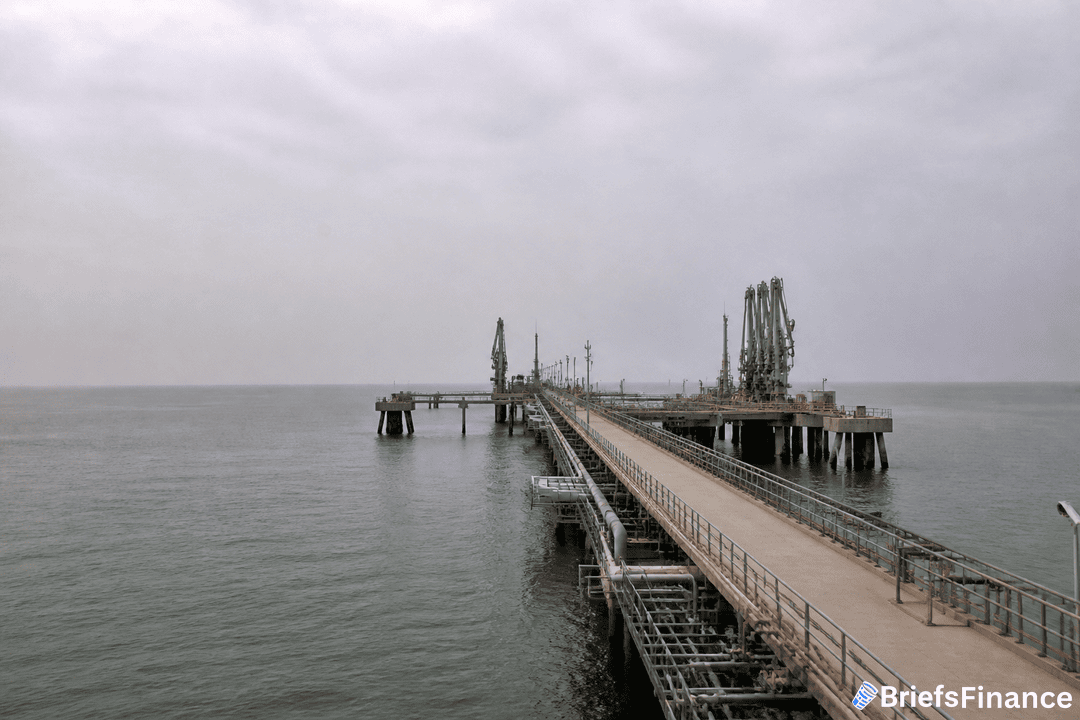
Fresh reads of EU Sentinel 1 and 2 imagery and tanker movements show Kharg Island's crude terminals have been idle since late August, coinciding with rising pressure after Washington renewed a naval blockade of Iran's shipping about three months ago. This is the longest quiet stretch at Kharg since the conflict kicked off in February.
The satellites pass separately every few days, and in this batch the biggest gap between images was three days. At Kharg, filling a very large crude carrier usually requires roughly 24-48 hours, which means any loading should have appeared in the imagery. One image did catch a vessel at Kharg's northeastern jetty on Aug. 29. Another on Oct. 10 showed a small ship that looked like a restart, but its signals tagged it as the chemicals and products tanker Clavel, a coastal shuttle between Iranian ports.
Exports cratered and trade routes reshuffled
United Against Nuclear Iran added that no tankers carrying Iranian crude have managed to depart the country or nearby waters since mid July, when the shipping ban was reimposed.
Kharg handles almost all of Iran's crude shipments, while Jask at the eastern mouth of Hormuz accounts for only a sliver. With Kharg quiet, satellite images also showed no tankers at Jask. Between Sept. 12 and Sept. 15, at least two tankers were seen at jetties off Kharg's southeast tip, but those handle liquefied petroleum gas and sulfur, not crude.
When global trade stories touch oil and shipping, a quick clear update helps, so sign up for Market Briefs today.
Tanker-monitor datasets show Iran shipped close to 650 million barrels of crude over the twelve months ending in April, with the bulk sent to China. With Tehran's barrels vanishing from the market, Chinese refiners have shifted to other suppliers and are jostling with more buyers for both cargoes and ships, which has nudged oil prices higher and stoked a historic run-up in freight.
Security flare-ups around Hormuz
As Iran's export efforts have been thwarted, attacks on vessels in and around the Strait of Hormuz have increased. UK Maritime Trade Operations reported that 25 vessels were targeted during the first half of October, versus 18 incidents for all of September and 15 in August.
The bottom line for investors
Iran's exports disappearing from markets due to the US shipping blockade and heightened competition for barrels and ships have pushed crude prices higher and triggered a historic rally in freight. If your portfolio touches producers, refiners, or tankers, pricing power and margins are now moving pieces to track closely.
Markets feel complex at times, and our free Market Briefs newsletter breaks the essentials down in five minutes or less.