What voters decided
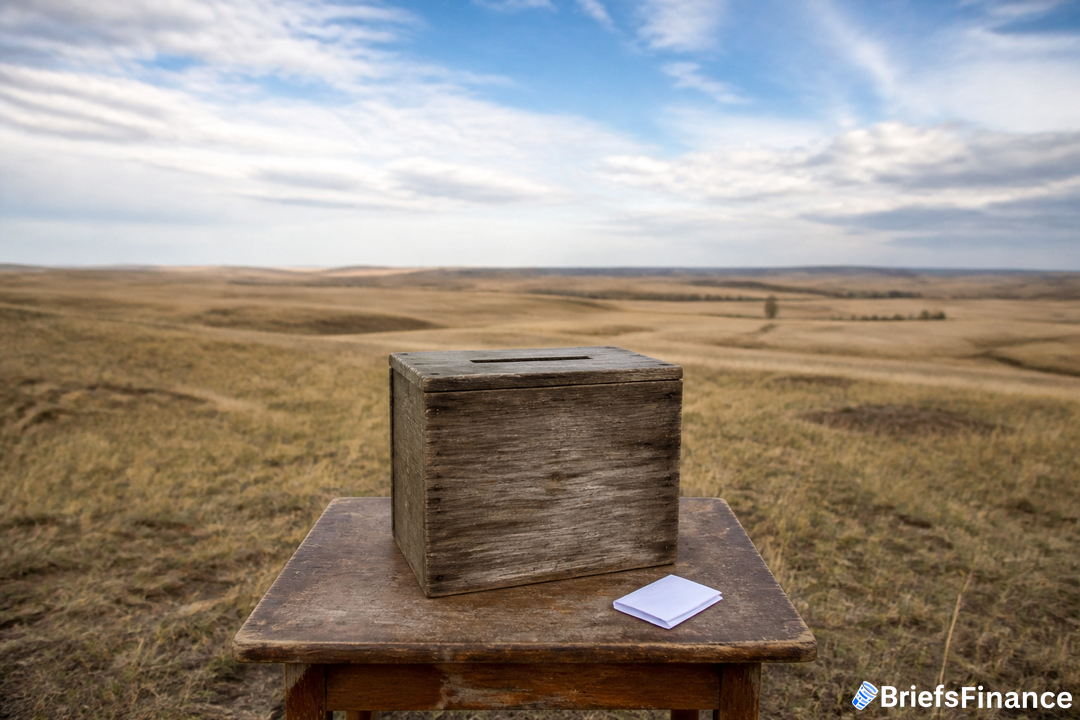
Alberta put a separation question to voters for the first time, and the count pointed decisively to staying put. By 5:45 a.m. local time on Tuesday, with about 75% of ballots tallied, 76% supported remaining in Canada, while 24% favored moving to a binding referendum on exiting.
On the ballot were nine additional advisory items aimed at boosting Alberta's bargaining power with Ottawa, covering immigration, public services such as schooling, social support and medical care, along with requirements for voter identification. Preliminary tallies showed eight of the nine measures passed, though a few only by slim margins.
The politics around it
Carney framed the verdict as a win for cohesion, declaring, "They chose unity, to build together, and to take care of each other." He had argued against separation on the trail, telling a Calgary crowd last week that a vote to leave would be "a dangerous bluff that will lead to years of deep division." He also appeared at a Forever Canadian rally in Calgary on Thursday, Oct. 15, 2026.
Smith, who called the referendum in May, said the early count made her "very pleased" and that she would update Albertans at 6:45 p.m. Tuesday on next steps. Pollsters had not expected a separatist surprise, pointing to surveys showing only around one third of residents backed even holding a future vote on leaving.
In moments when regional politics can touch economic decisions, sign up for the free Market Briefs to stay informed daily.
Why it does not end the debate
A determined separatist minority campaigned for months for independence, contending that Alberta's oil and gas riches bankroll less wealthy provinces and that fewer federal constraints would leave the province better off. Some leaders in that camp had already said they would keep pushing for another try even if most voters chose to remain. Backing that up, Angus Reid reported on Oct. 16 that 62% of Albertans believe "there will never be an end to the separatist movement".
First Nations organizations have opposed an independent Alberta, noting their land treaties with the federal government were signed before Alberta existed as a province. The referendum also arrived as Carney faced a parallel challenge in Quebec, where a sovereigntist party won power on Oct. 5 but fell short of a majority needed to carry out its pledge to hold a breakaway vote. Quebec tried twice before, in 1980 and again in 1995, and both attempts failed.
The cross-border angle and your money
There was no immediate comment from President Donald Trump, who has often floated the idea of the United States annexing Canada. In January, U.S. Treasury Secretary Scott Bessent, speaking about Alberta, said, "I think we should let them come down into the US." Carney, who spent much of his childhood in Alberta, has said he understands provincial frustrations with Ottawa. He has promoted an expedited pipeline plan in which the majority stake would be held by Alberta and the federal government, and he has emphasized Alberta's importance to his effort to lessen Canada's dependence on the U.S.
Investor takeaway: the vote lowers near term political risk around Canadian energy and provincial policy, but it does not erase it. Watch how the eight approved measures are implemented, any follow through from separatist organizers, and whether Carney's pipeline and diversification efforts meaningfully shift Canada's trade exposure - all variables that can sway Canadian dollar moves, Alberta credit spreads, and energy patch valuations.
As outcomes unfold and markets evolve, get the free Market Briefs newsletter for five-minute updates on economy and markets.