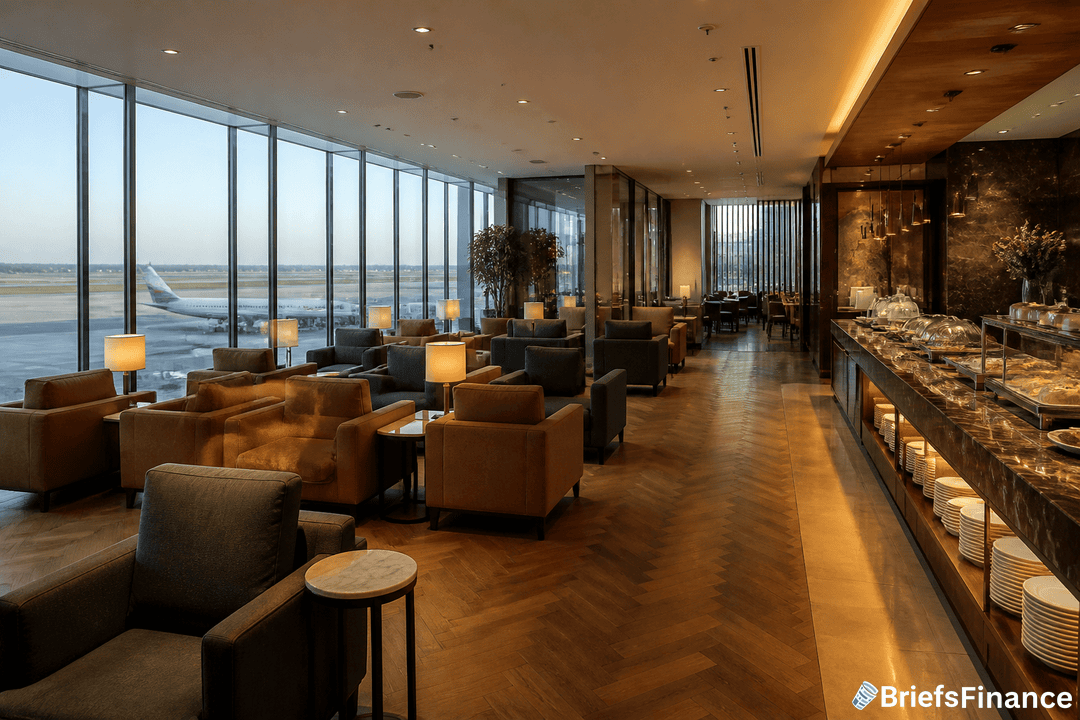
Why airlines are leaning into premium travel
Carriers are tilting toward higher spenders as they roll out cushier seats and ground perks, because demand for top-tier tickets has barely budged even as prices rise. US airline fares were up 22 percent in September compared with the same month a year earlier, Bureau of Labor Statistics data show.
That resilience matters. Airlines say the core business is solid, but profits are getting squeezed by pricier fuel and thinner margins amid a US-Iran war with no clear end in sight.
Delta, one of the sector's standouts, trimmed its full-year earnings outlook. Later this week, United Airlines Holdings, American Airlines Group and Southwest are poised to offer similarly muted guidance.
What the airlines are doing for wealthy flyers
In recent weeks, British Airways rolled out what it says is the largest business-class cabin available and plans to refit its Airbus A380s later this year to add more business-class seats. IAG CEO Luis Gallego called premium demand "very resilient."
Delta reported a milestone: in commercial aviation, its quarterly revenue from premium tickets surpassed sales from the main cabin, with appetite for those seats still strong. The airline is overhauling Delta One with culinary and amenity enhancements reminiscent of a luxury tasting cart - think Wagyu burgers, Blanton's single barrel bourbon, Champagne Taittinger - and some bottles priced at more than $200 each. It is also adding Missoni pillows to premium cabins and is nearly doubling the number of Porsche AG vehicles it uses for tarmac connections.
The upmarket push spans Europe too. Air France-KLM picked up Skytrax's award for the world's best first class. Lufthansa hit certification snags on its Allegris seats, which left newly delivered Boeing 787 Dreamliners flying with much of business class roped off. "In the past, economy class would sell out first because people prioritized price, leaving first- and business-class seats available just days before departure," Lufthansa CEO Carsten Spohr said. "Now, it is the other way around: First, business, and premium economy sell out first."
When it helps to stay informed about how markets shape everyday choices, sign up for the free Market Briefs newsletter
Even Southwest, famous for no-frills flying, is adding premium options. Tony Roach, the airline's chief customer and brand officer, said in a Thursday interview with Bloomberg that the move is about widening appeal without walking away from its core base. "Travel is a passion point." As Ranjan Goswami, who serves as Delta's chief marketing and product officer, put it, "Consistent investment in premium experiences is so important because customers have choices, and no matter what the environment is, you have to win the day and win the wallet."
Who is paying and why
For some travelers, comfort buys back time. Robert Doornbos, a retired Formula One driver who lives in Dubai and now works as a public speaker, said he flew roughly 50 business-class trips last year. He was willing to pay €7,500 ($8,407) for a Madrid flight to attend a Grand Prix to arrive rested and ready to work. "I try to minimize the time loss," he said. "Lots of flying but in an efficient way."
Delta CEO Ed Bastian quantified the spending power at the top end. "When you look at the top 40% of our customer base, they've accumulated over $40 trillion of wealth over the last few years," he said ahead of third-quarter results. "They have the means, they're prioritizing travel, and it's high on their list."
Leisure flyers are making trade-offs, not cancellations. Eric Gentry, 65, the co-founder of Jet Set Natural, traveled to Mexico City, Sicily and South Carolina in the past year and accepts higher fares by trimming costs elsewhere. "If the air travel is significantly increased, you may scale back a little bit on the other end with hotels, accommodations and what you'll be doing there," he said. He is planning a beach trip and picked Miami over the Caribbean because it came in cheaper.
What this means for your portfolio
The revenue mix is shifting toward higher-margin seats as airlines dress up premium cabins and expand perks like tarmac transfers. Executives say affluent customers are still spending, which helps offset fuel-driven cost pressure that is weighing on earnings outlooks across the group.
Watch three markers: airfare inflation, the share of sales coming from premium tickets, and the pace of premium product investments. Also keep an eye on fuel costs, which analysts expect to stay elevated, and on management commentary about the US-Iran conflict after the midterm elections.
As airlines and services evolve, get clear, concise context delivered daily by Market Briefs in five minutes or less