Markets moved after oil and Fed signals
On Monday, the 10-year yield climbed past 4.75% - a threshold last reached in January 2025 - as a broad Treasury selloff deepened across maturities. Five-year yields rose to their highest since early last year, and 30-year rates pushed beyond last week's highs. The slide extends a days-long downturn as investors weigh swelling fiscal concerns and how forcefully the Federal Reserve may need to tighten to rein in inflation.
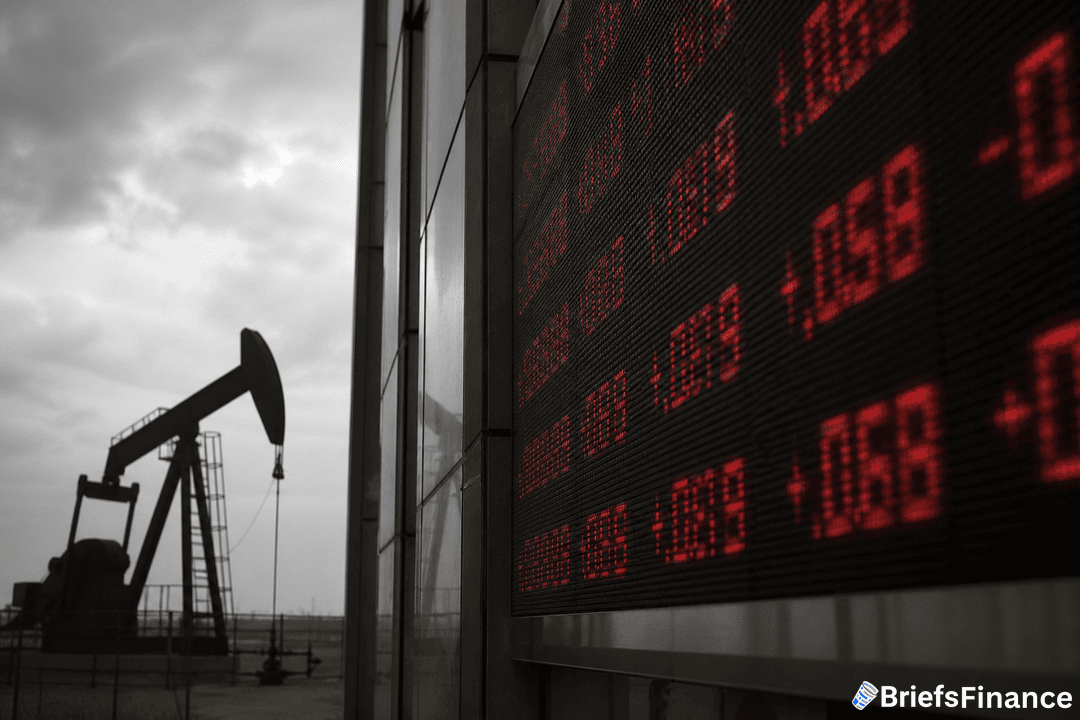
Crude's surge reinforced the pressure. Major oil contracts settled up nearly 3% after touching session highs during US morning trading, a move that followed President Donald Trump warning Iran of more strikes. "If Federal Reserve Chairman Kevin Warsh wanted markets to do more signaling, the message from bonds is that rates will keep powering higher this week, thanks to rising oil prices, supply and economic data," said Alyce Andres, Macro Strategist, Markets Live.
Fed commentary, data and forecast shifts
Following Fed Chairman Kevin Warsh's appearance at the Jackson Hole Symposium, short-maturity yields jumped on Friday after he pointed to a higher likelihood of hikes to curb price pressures. "The Fed is ready to act when needed," according to SEI Investments Corp.'s Sean Simko, who oversees fixed-income investment management. He added that Friday's August jobs report and consumer prices on Sept. 11 will be pivotal, and that "if the labor market remains steady and inflation stays elevated, that's probably going to have the Fed lean into raising interest rates" on Sept. 16, the next policy decision.
The best financial decisions come from understanding the whole picture. Join Market Briefs free and get the full brief each morning.
Trading flows, hedges and supply worries
Derivatives activity spiked. In a single minute, nearly 244,000 December 10-year note futures changed hands - almost 10% of the day's total. Options desks saw demand for protection in long-duration Treasuries, including what traders estimated was a $6.5 million buy of December put options tied to the US Treasury Bond futures, with a strike that implied 30-year yields near 5.7% versus roughly 5.25% at the time; those options expire on Nov. 20.
At 4 p.m. New York time, month-end index rebalancing provided little support to the longest-dated bonds, even as benchmarks absorbed an above-average amount of 10- to 30-year issuance sold during the month. Earlier this month, the Treasury Department said it would increase buybacks of 30-year-sector debt to bolster its market value.
What rising yields mean for your portfolio
On Monday, 30-year yields rose five basis points to near 5.26%, still well below the multiyear peaks reached earlier in the month after retreating when Treasury outlined increased buybacks. The climb in longer-dated yields also reflects "forthcoming supply" - particularly an autumn pickup in corporate bond issuance, with September historically robust and expected to surpass prior monthly totals - and "an inflation outlook that's hardly improving," noted Potomac River Capital's chief investment officer, Mark Spindel. Despite Warsh's Jackson Hole remarks, Spindel noted "there's been debate as to whether he intends to tighten in September," a backdrop that keeps inflation concerns simmering.