The factory pulse in August
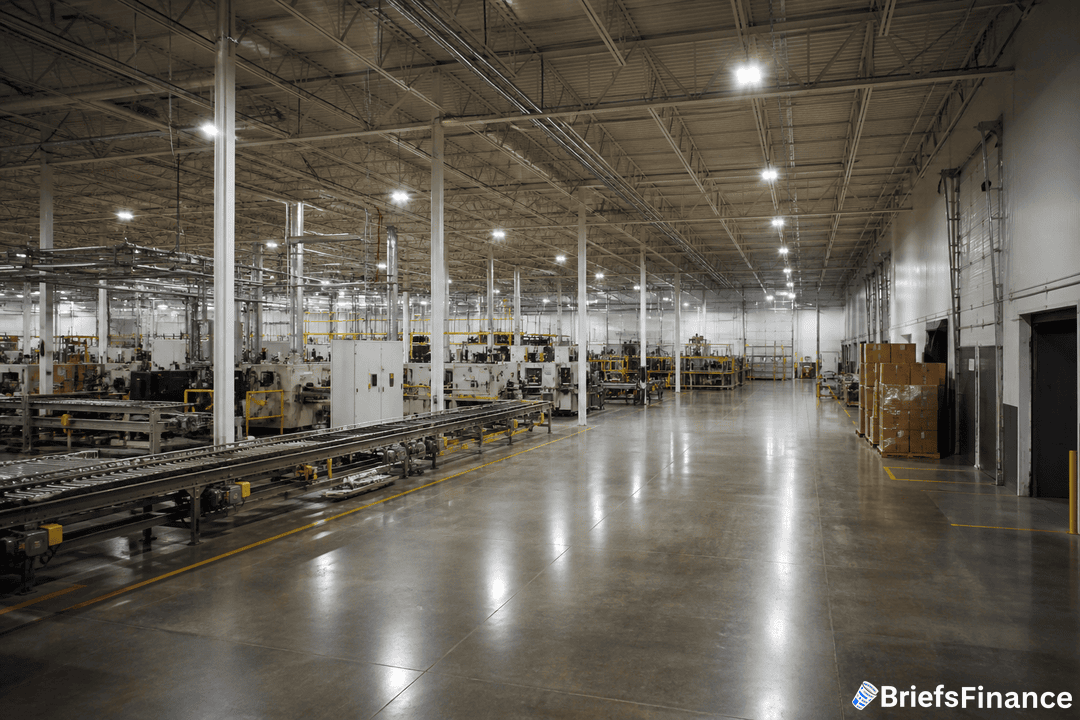
America's factory engine is still running, just not quite as fast. ISM's headline manufacturing gauge ticked down by one point to 54.6 in August, which is comfortably above the 50 growth line and marks the second highest print since 2022. Production was a standout, logging its second-strongest showing since late 2021. Demand cooled, though: the new orders index slipped to its softest level since March but stayed in expansion. Hiring remained in the plus column for a second straight month and did so for the first time since 2022, albeit with slower headcount growth.
Momentum, and the worries tugging at it
So far in 2026, factories have clawed back from a multi-year slump, supported by sturdy consumer spending, healthy business investment and government defense outlays. The backdrop is not all tailwinds. Executives are still navigating tariff risks, war-driven jumps in energy costs and recurring supply chain snags. According to Susan Spence, chair of ISM's Manufacturing Business Survey Committee, the Iran war and tariffs are the chief concerns and could be depressing new orders, backlogs and employment. "I'm starting to see warning signs, and frankly, I probably wouldn't feel that way if the new order drop and the backlog drop were slight," she told reporters.
Prices, suppliers and where growth showed up
Price pressures stuck around. ISM's prices index was unchanged at 71.1, matching the lowest reading since February. Roughly 46% of respondents said they faced higher input costs in August, down from about one half in July, according to Spence. Companies also reported ongoing elevated raw material costs and longer supplier lead times. On the industry mix, 15 manufacturing groups grew, including primary metals and electrical equipment and appliances, while wood products and chemical products contracted.
A few minutes a day is enough to stay genuinely informed about your money. Join Market Briefs free and start tomorrow.
What it means for your money
Cooling in forward indicators is real, but present activity looks sturdier. As Bloomberg Economics' Andrew Sacher put it, "The August report confirms some cooling in factory momentum, but the weakness is concentrated in forward-looking demand rather than current production. Lean customer inventories should keep output supported for now." Translation for your wallet: factories are still busy enough to keep goods flowing, even as demand signals flicker. That mix can restrain price spikes without slamming growth, a setup that matters for everything from big-ticket purchases to the durability of paychecks.