Simulated Trading Requirement Cools Demand
South Korea's regulatory measures to curb risky trading in leveraged ETFs appear to be having a significant impact. Effective August 19, 2026, investors must complete five days of simulated trading before accessing leveraged products tied to Samsung Electronics and SK Hynix.
The process requires downloading a Windows-only program and spending at least an hour daily trading with 100 million won ($72,872) in virtual cash. The system demonstrates how leveraged products can lose value through volatility decay. However, many retail investors find the requirements too burdensome.
"You have to download a program and there were minimum time requirements," said investor Lee, who abandoned the process. Another trader, Kim Jung-hoon from Gyeonggi province, called the mandatory mock trading "too much of a hassle," particularly due to the PC-only requirement and time commitment.
Sharp Decline in Trading Activity
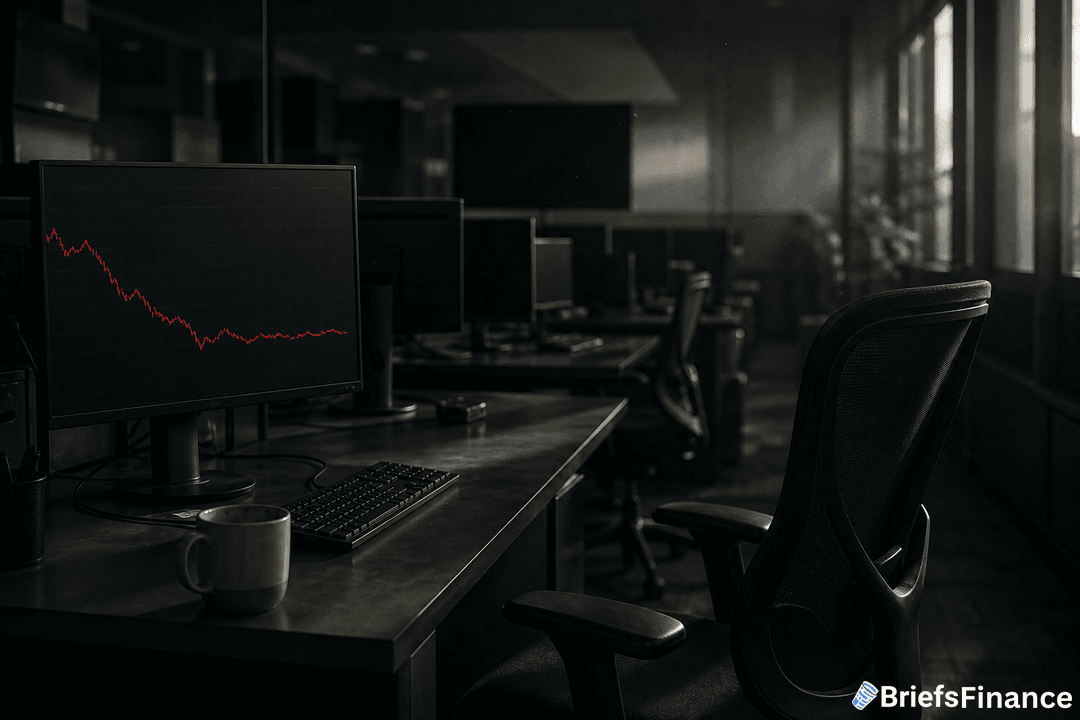
The regulatory changes have dramatically reduced activity in these once-popular ETFs. Trading value for leveraged products targeting Samsung and SK Hynix has fallen to just 4% of its June 2026 peak. The products are now on track for their first monthly outflow since launch.
A few minutes a day is enough to stay genuinely informed about your money. Join Market Briefs free and start tomorrow.
These single-stock leveraged ETFs, introduced in May 2026, quickly became dominant in South Korea's market. At their peak, they accounted for over 80% of total market turnover along with their underlying stocks, Samsung Electronics and SK Hynix. Their popularity contributed to significant market volatility.
The Korea Exchange has not disclosed how many investors have completed the mock trading program. Additional measures implemented since July include higher minimum deposit requirements for trading these products.
The new requirements come as South Korea seeks to protect retail investors from the risks of leveraged products while maintaining an active market.
Market conditions have also changed since June, with reduced volatility potentially making leveraged products less attractive. The KOSPI index remains below its recent highs despite significant gains earlier in 2026.
South Korea's approach highlights the challenges of balancing investor protection with market access. While the simulated trading program appears effective at reducing speculative activity, its long-term impact on market participation remains uncertain. The Korea Exchange has not indicated whether it plans to expand access to mobile devices or modify the requirements in the future.