Imports and inventories
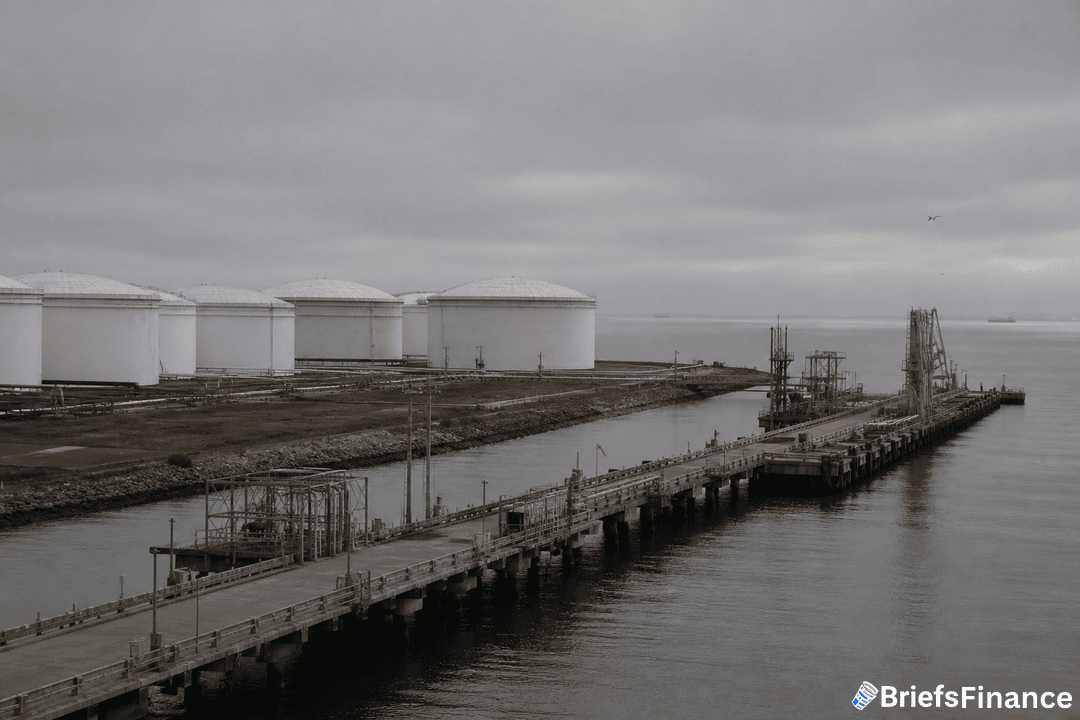
Dangote scaled back crude imports in August to 499,000 barrels a day, a five-month low and well below the refinery's 700,000-barrel-per-day nameplate capacity. A senior official at Dangote Industries Ltd., who requested anonymity because the details are sensitive, said the pullback reflects sizable crude inventories already in storage. The company's press office did not promptly answer inquiries regarding the surplus and reduced run rates.
July slowdown and output
According to IIR Energy, the refinery's single crude unit ran at about half capacity during parts of July due to maintenance on the RFCC. Energy Aspects said Dangote trimmed imports after reducing run rates amid RFCC issues. Separate figures from a national regulator put July utilization at 71%, or 497,000 barrels a day, while tanker-tracking data compiled by Bloomberg indicate the refinery imported 574,000 barrels a day that month.
With rates down in July, the plant shipped fewer loads of fuels such as gasoline and jet fuel. According to the Nigerian Midstream and Downstream Petroleum Regulatory Authority, July gasoline production was 25.9 million liters per day, a decline from 39.1 million in June, while jet fuel averaged 15.6 million liters per day. The Dangote executive declined to discuss processing rates or recent maintenance.
Understanding what moved a market beats knowing that it moved. Get the free Market Briefs daily newsletter and follow the drivers.
What's next and why it matters
IIR Energy indicates the large crude unit has since returned to full capacity, suggesting August's import slowdown may not carry into this month. Bloomberg reported that for September delivery, Dangote has secured roughly 20 million barrels of both domestic and overseas crude via supply tenders and crude allocations, near May's year-to-date high for inflows. Randy Hurburun, a senior refinery analyst with Energy Aspects, said imports should rise again this month, noting that strong refining margins give the plant flexibility in its crude buying.
The refinery has become a bigger source of jet fuel for Europe as Middle East flows have slumped, while most of its gasoline exports head to African markets.