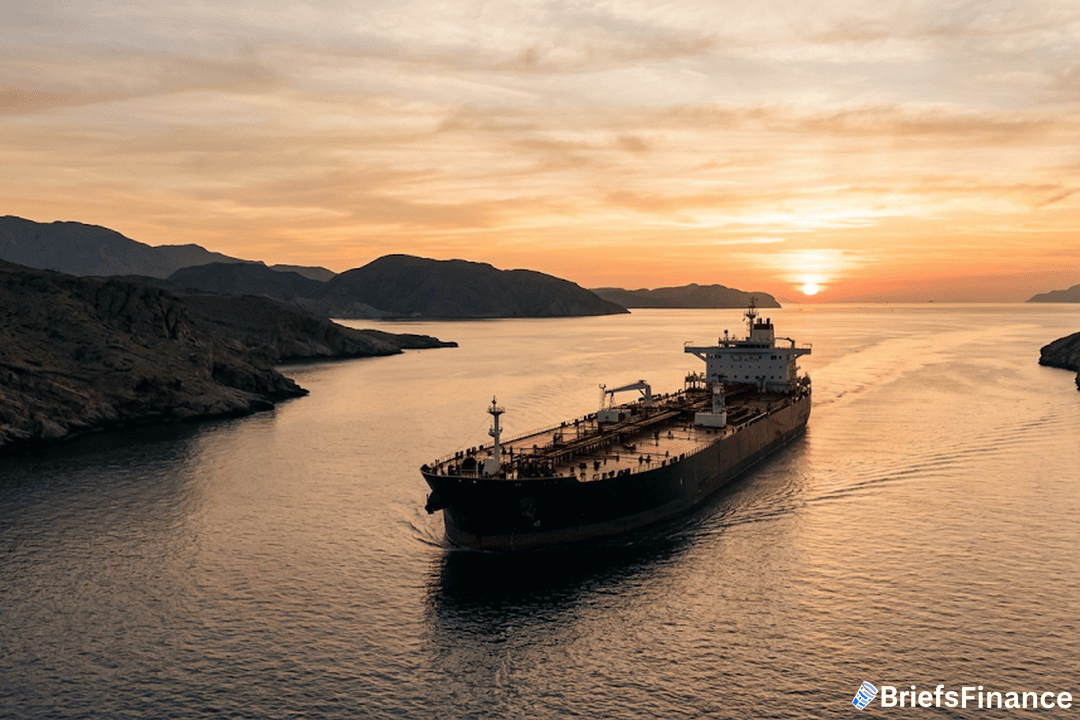
Hormuz Talks Push Oil Prices Down
Oil prices moved lower on Wednesday, Aug 5 2026, after reports emerged that Washington, Tehran and Oman are discussing how to organize vessel movements through the Strait of Hormuz.
Late Tuesday, President Donald Trump said on Fox News that the talks lasted all day. "It looks like things are very good," he said.
Treasury Secretary Scott Bessent said Tuesday morning on CNBC that a deal to reopen the waterway could be completed this week. The moves were modest, but the direction was clear. Less worry about the strait usually means less extra cost built into oil prices.
What the Talks Would Actually Do
Large volumes of crude, natural gas, fertilizer and other industrial cargo pass through the Strait of Hormuz, making it a key global corridor. A disruption there does not just affect one country; it can show up in prices around the world.
The reported arrangement is an interim step, not a final peace deal.
Get the free Always Be Buying eBook and learn the simple system for building wealth on any income
Tehran would help coordinate the flow. Axios reported the proposal, citing two regional sources.
If the plan matches what the negotiators are discussing, it goes straight at the issue that broke the last deal. The previous agreement did not survive because the two sides fought over the strait's shipping route.
Ceasefire Hopes Meet a Tanker Attack
Prices briefly ticked higher after Yemen's Iran-aligned Houthis said they fired a missile at a Saudi tanker near Yanbu, a major Red Sea port for Saudi crude exports. The reported strike weakened hopes for a ceasefire, which had grown earlier in the week after Bessent's comments.
This is not the first time hopes have been high. On June 17, Washington and Tehran signed a memorandum of understanding, a written agreement meant to open Hormuz, but it fell apart quickly as fighting broke out over the strait's shipping route.
At the time, Iran was hitting vessels traveling along Oman's coast, even while those ships had U.S. military protection. It was trying to push them into Iranian territorial waters.
The U.S. answered with more than a dozen air-strike rounds and restored its naval blockade of Iran.
What It Means for Your Money
What happens in Hormuz does not stay in Hormuz. The waterway carries the kind of goods that feed into fuel prices, food costs, and the price of things on store shelves.
For investors, the pattern is how fast sentiment can turn. A reported attack this week was a reminder that one incident can shake the mood.
If the new arrangement holds, energy prices may have room to cool. If talks break down again, expect choppy moves and possible pressure at the pump.
Your portfolio and your monthly budget both have a stake in this narrow strip of water. The question is whether the deal actually holds on the water, not just in statements.
Download the free Always Be Buying eBook and start putting your money to work today