Why storage, and why now
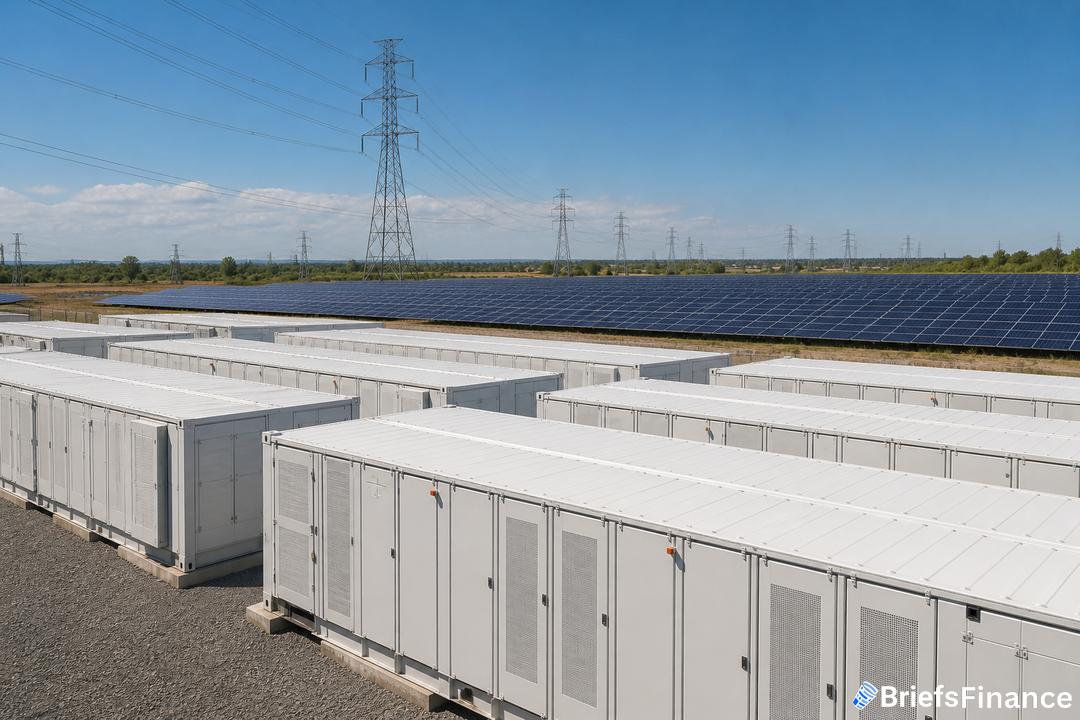
India's renewable buildout has outpaced what the grid can soak up all day, every day. Yet solar falls to zero after sunset, and daytime peaks can overwhelm the grid, leaving assets underused.
The build and the targets
New subsidies will back 92 GWh of storage and stay in place through 2031, Vaishnaw said. Today, India has about 54 GWh of storage, and the government is aiming for 411 GWh by the financial year 2031-32.
How the money is structured
The package is intended to unlock as much as 976 billion rupees in overall investment and help companies in the storage sector start operations as demand develops. Eligibility requires companies to procure no less than 40% of their gear within India, nudging activity toward domestic manufacturing.
A push on critical minerals too
In addition, the cabinet signed off on more than 28 billion rupees in incentives to scale up critical-mineral processing in India. Vaishnaw said the move will strengthen production across electronics, semiconductors, batteries, defense, and large industrial machinery, reducing reliance on imports.
Smart investors explore new tools to gain a reliable long term edge. We're hosting our first ever investor livestream on 11/17 to show you how to use ChatGPT and Claude to invest like a pro, hosted by Briefs Finance CEO Jaspreet Singh. Save your seat.
What this means for your portfolio
If the subsidies catalyze the projected spend and domestic sourcing takes hold, expect a longer runway for storage developers, grid equipment makers, and upstream suppliers tied to critical minerals. The timeline extends through 2031, with the storage goal set for 2031-32, so any demand lift for vendors and project financers is more a multi-year theme than a near-term trade.
Learning how technology can sharpen your judgment pays off over time. On 11/17, our CEO Jaspreet Singh goes live for our first ever investor livestream on how to use ChatGPT and Claude to invest like a pro. Register to join him.