Demand is rewiring warehouse footprints
Prologis and Harris Poll canvassed more than 1,800 business leaders in six major economies, and the message was blunt: 91% said retailers and logistics providers "urgently" need more decentralized fulfillment to keep up with delivery expectations. That push for proximity shows up in operations as same-day delivery availability has doubled since 2019, and respondents said being faster matters more than being cheaper for competitive advantage.
The footprint plan is shifting with it. The portion of companies that aim to stick with their existing global network fell to 36%, a drop of 14 percentage points from a year earlier. Strategy wise, more than half are doing both diversification and regionalization, while about a third are moving production and logistics nearer to end markets through nearshoring and reshoring.
"Our focus is the consumption end, so we have really narrowed our focus into being in not only the most dynamic consumption centers, most dynamic population centers around the world, but we're very specific what sub markets in those cities that we want to focus on? Because it is all about being closer to those rooftops," said Dan Letter, CEO of Prologis. He added that even with a 1.3 billion feet portfolio, "we actually sold over 200 million feet as well because it wasn't what our customers were looking for."
Power is now a prime site selector
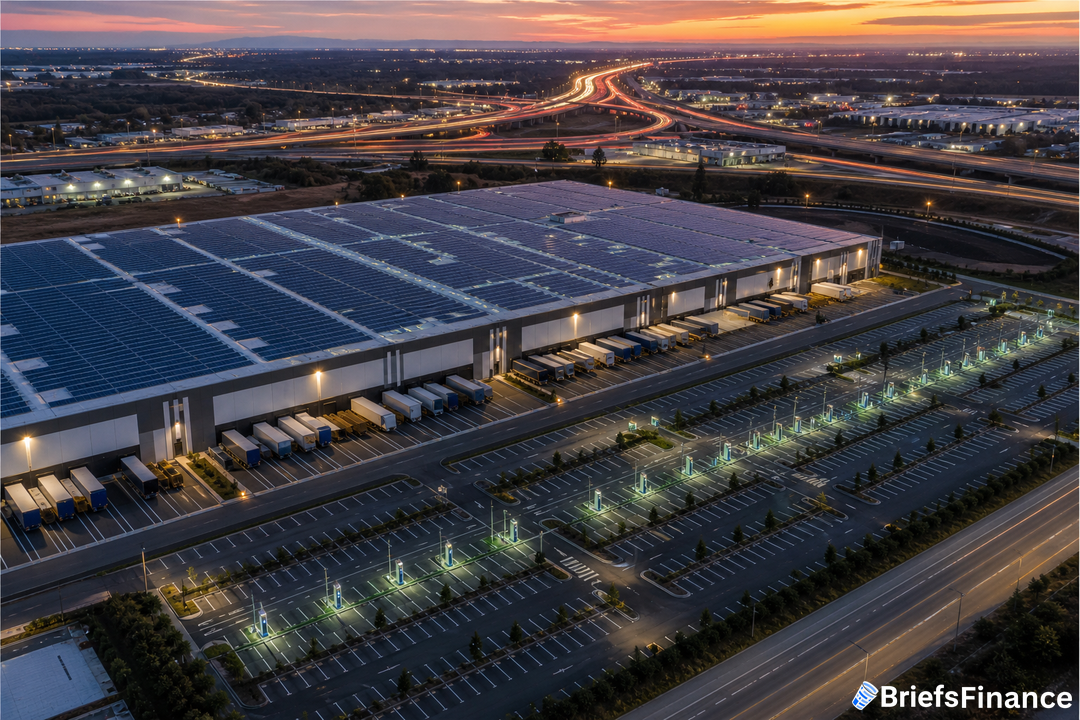
Energy is no longer an afterthought. Energy resilience has moved to the forefront - driven in part by AI's rising electricity demand - and, when choosing logistics sites, dependable power is the top priority. Just over one quarter of executives say they look to industrial landlords and developers to take the lead or provide funding for on-site energy-resilience additions such as solar, battery storage and fleet charging.
Prologis has been building that muscle. "We really doubled down on the energy side about five years ago, and we turned it into a business," said Letter. "We have over 1.4 gigawatts of power that we generate from our solar and our storage business. And then we have also been focusing on how do we help our customers electrify their fleets."
Understanding how new technologies reshape industries helps investors find long term opportunities. We're hosting our first ever investor livestream on 11/17 to show you how to use ChatGPT and Claude to invest like a pro, hosted by Briefs Finance CEO Jaspreet Singh. Save your seat.
AI is shaping supply chains
Respondents highlighted demand forecasting tools and agentic AI systems as some of the most "transformative technologies" poised to reshape supply chains during the next three years. Three-quarters said they plan major investments in AI for demand prediction and inventory restocking.
"As they've gotten deeper on AI, we've gone deeper with them as well," said Letter. "We've been making investments alongside our customers to just understand what's next, and that helps us in all aspects of our business and be way out in front of our customers."
Why it matters for your portfolio
The through line is clear: faster delivery pushes networks closer to customers, reliable power dictates where facilities go, and AI raises the bar on forecasting and fulfillment. That combination could redirect capital toward infill logistics sites with robust electrical infrastructure, and toward developers positioning to deliver on-site energy and fleet charging.
Paying attention to operational shifts gives investors a clearer sense of future winners. On 11/17, our CEO Jaspreet Singh goes live for our first ever investor livestream on how to use ChatGPT and Claude to invest like a pro. Register to join him.