What changed in Taoyuan
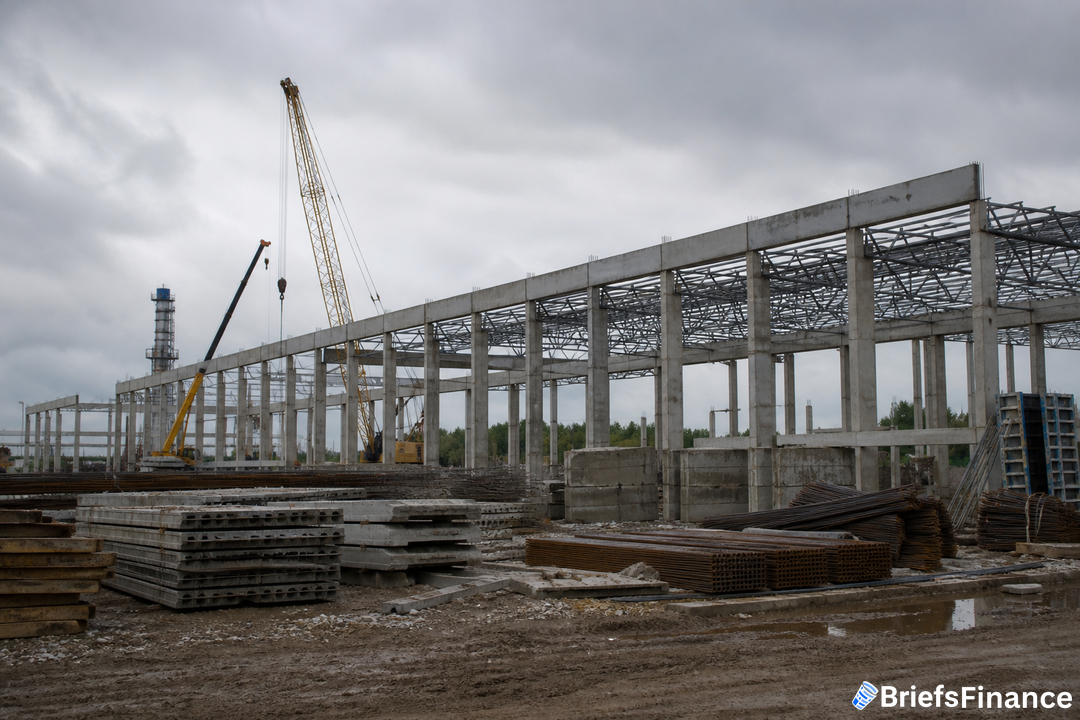
People familiar with the situation said Micron has put its Taoyuan factory plan on hold and mostly stopped construction. Some minor work is continuing only to keep the site safe, and after that, construction will be frozen.
Fab 11E was intended to make high-bandwidth memory and DRAM using top-end equipment from ASML, and had been slated to come online in 2028. One person said Micron budgeted $3 billion to $4.5 billion for the complex, including ASML gear. Executives are uneasy about growing uncertainties, including the risk a union agreement could be overturned, and the company has told Taiwanese officials and a supplier it plans to suspend construction.
The dispute and the unions
Worker tensions escalated this year as employees pushed for higher pay, seeking a greater share of record profits tied to the AI build-out. The Taoyuan union wants Micron to allocate 15% of operating profit to global employees, mirroring Samsung and SK Hynix, and to pay incentives entirely in cash, according to union Chair Jerry Lin.
Micron reached a deal in October with the larger of its two unions, but a revision could be required as some employees object to the terms, people said. According to someone familiar with the situation, Micron considered the agreement with the larger union to be legally binding. Mark Hsu, who chairs the Taichung union, said the deal is valid under the law and added that he respects the smaller Taoyuan faction's push to build a broader organization.
Fewer than 3,000 workers are in the Taoyuan union, while most of Micron's Taiwan staff belong to the much larger Taichung body. The Taoyuan group is recruiting Taichung members in a bid to annul the current pact and demand a restart of negotiations, Lin said. Negotiations with the Taoyuan union continue. "We look forward to reaching an agreement," Micron said.
Market setbacks often reveal opportunities for investors who seek smarter tools. We're hosting our first ever investor livestream on 11/17 to show you how to use ChatGPT and Claude to invest like a pro, hosted by Briefs Finance CEO Jaspreet Singh. Save your seat.
Why Taiwan matters to Micron
Taiwan accounts for three-fifths of Micron's conventional chips and 60% of its DRAM output, and also produces a significant share of its high-bandwidth memory used in AI systems. Those components are tied to Nvidia accelerators and the broader AI data center boom, where shortages have pushed prices sharply higher.
Micron's outlays in Taiwan total nearly $50 billion over three decades and it employs 15,000 people there, about a quarter of its global workforce. A suspension raises the possibility Micron could reassess its broader Taiwan manufacturing hub that helps it compete with Samsung Electronics, SK Hynix, and China's CXMT. Taiwan's economy and stock market have benefited from the AI surge, with Taiwan Semiconductor Manufacturing building at a rapid clip, though long-term investment risks remain given potential Chinese military intervention.
Signals and what investors should watch
"Taiwan plays an important role in Micron's global footprint, and our operations today continue as normal," the company said. "We are confident in maintaining business continuity for our customers." Taiwan's Ministry of Economic Affairs said it is helping the company implement investment plans and noted, "The government supports the legal agreement the company has reached with the union, and will shoulder and share responsibilities with the local government to help resolve the differences and create a win-win outcome." The Taoyuan government said it has not been notified of a suspension and hopes Micron and its employees can arrive at a consensus.
The ministry said the standing agreement would raise junior engineers' average annual packages to more than double, reaching NT$4 million, and senior engineers' to triple, at NT$6 million. For comparison, engineers at listed local semiconductor firms earned NT$2.58 million on average in 2025, according to 104 Job Bank.
Even as it considers slowing in Taiwan, Micron is pushing ahead elsewhere. It has committed to invest $250 billion for manufacturing in the US, with New York state among the locations, and is expanding in Japan and Singapore. The bottom line: Fab 11E was set to add HBM and DRAM capacity using ASML tools, so a pause could matter for supply, and in US trading the company's stock fell by as much as 7.3%.
Understanding risks and disruptions can help investors make more informed choices. On 11/17, our CEO Jaspreet Singh goes live for our first ever investor livestream on how to use ChatGPT and Claude to invest like a pro. Register to join him.