What the UAE is considering
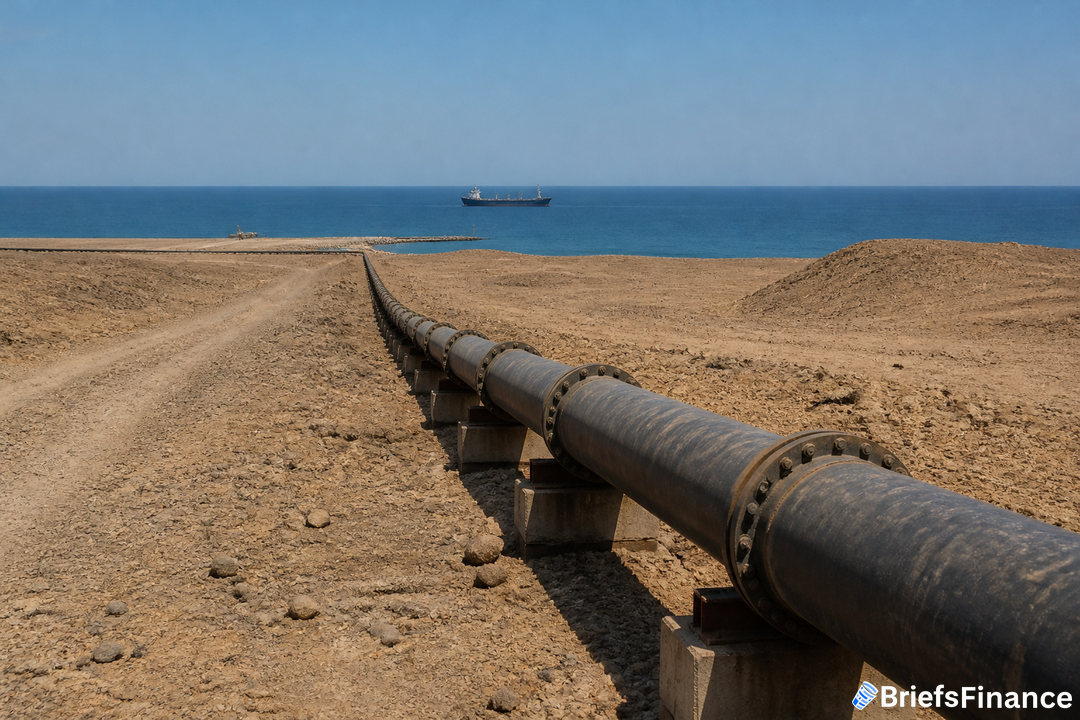
Abu Dhabi National Oil Co. is assessing another pipeline that would route crude from the UAE's western coast to Fujairah on the east, according to people briefed on the talks. The idea is to cut reliance on the Hormuz chokepoint, with the line potentially available to outside shippers.
Multiple people said the blueprint is not settled and could change, including the path. Adnoc has also informed some customers in Asia about the potential project, according to others familiar with those discussions. A company spokesperson pushed back on the reporting, saying, "We have advised Bloomberg that this report is not accurate and purely speculative."
How this fits with existing and planned routes
Adnoc already operates a link running from onshore fields in the UAE's west to Fujairah, with capacity around 2 million barrels per day. In May, the company said it was speeding up a second pipeline aimed to be finished next year, which would lift total throughput roughly two times.
People familiar said Adnoc told certain refiners in Asia they may be able to load cargoes at Fujairah through the second line in early 2027. A prospective third line would sit alongside the current pipeline and the conduit scheduled to start next year, reinforcing supply options if Hormuz faces new disruptions.
Regional context and security limits
Workarounds in the UAE and Saudi Arabia have been crucial to keeping barrels heading to market while transits through Hormuz remained highly risky during the Iran war. Abu Dhabi is pursuing multibillion-dollar investments in new links and expanded eastern coast port capacity to drive reliance on the waterway toward zero.
The strait was near impassable at the peak of the Iran war, and vessels have still faced frequent targeting even as more traffic has resumed. Bypass routes are not a cure-all either. Fujairah has been attacked multiple times during the conflict, and Saudi Arabia's East-West line was briefly stopped after an attack in September.
Smart investors look for practical tools that can improve decision making. We're hosting our first ever investor livestream on 11/17 to show you how to use ChatGPT and Claude to invest like a pro, hosted by Briefs Finance CEO Jaspreet Singh. Save your seat.
Saudi Arabia used that East-West pipeline as its primary export path during the conflict and has said it plans to boost its capacity while exploring other lines. Kuwait, fully reliant on Hormuz, is discussing alternative pipelines with both Saudi Arabia and the UAE, Kuwait's state-run oil company's chief executive officer, Sheikh Nawaf Al-Sabah, said. The UAE has been among the most effective at pushing crude out through the chokepoint, while Saudi Arabia and Kuwait have also shipped aggressively as they compete for customers to recoup billions in forgone sales during the war.
What this could mean for your portfolio
The UAE exited OPEC in May. Earlier this year, Minister of Foreign Trade Thani Al Zeyoudi said the country plans heavy spending on new pipelines, rail and roads, plus a major buildout of no fewer than three ports on the east coast, to end dependence on Hormuz. If the UAE completes more routes and expands Fujairah and other ports, flows that avoid the strait should grow, though the recent record shows security risks persist.
In plain English: more redundancy can cushion supply interruptions and shipping insurance spikes, but not eliminate them. Watch for timelines around the second Adnoc line, any third-pipeline go or no-go, and Saudi capacity upgrades - all of which shape regional export resilience and, by extension, oil price volatility and shipping margins.
Learning how new technologies can sharpen your investment approach pays long term. On 11/17, our CEO Jaspreet Singh goes live for our first ever investor livestream on how to use ChatGPT and Claude to invest like a pro. Register to join him.