What The SPD Wants
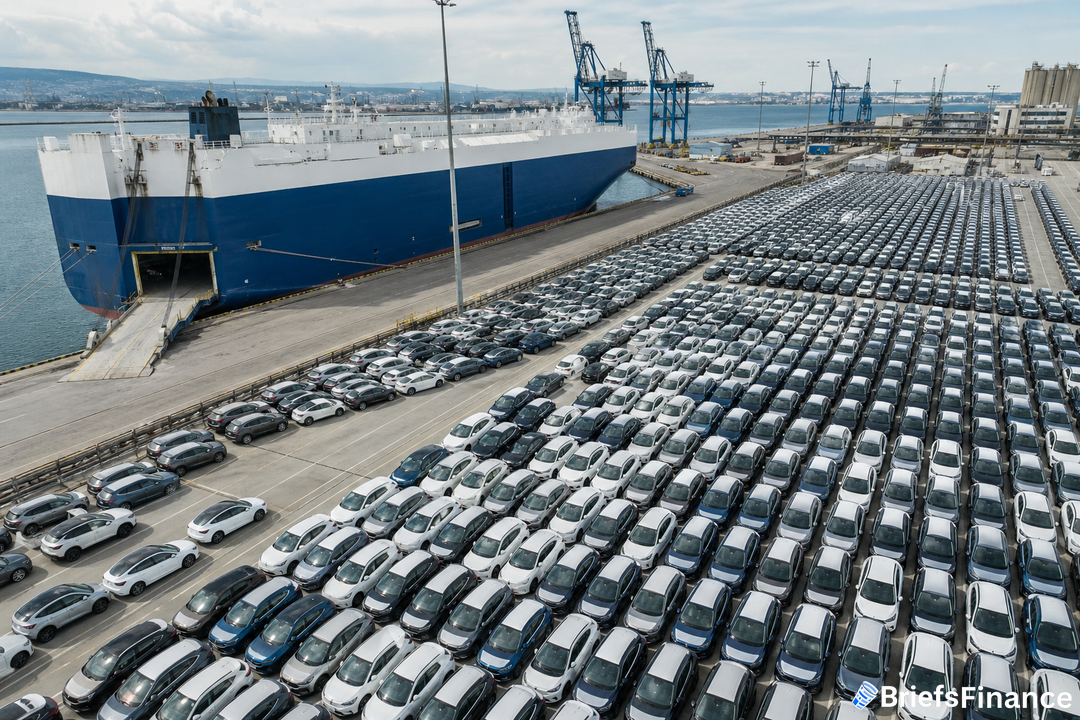
The SPD is pressing Brussels to extend current EU duties on China-made electric vehicles, which run up to 45%, to include plug-in hybrids too. Right now hybrids are not covered, and the party wants that gap closed to level competition for European automakers. The draft puts it plainly: "We must protect our automotive sector more resolutely against Chinese models that are offered at very low prices through unfair practices," and, "We call on the federal government to use its influence to ensure that the EU finally closes the loophole for plug-in hybrids and imposes tariffs on them just as it does on fully electric cars."
The Political Push And Risks
This amps up pressure on German Chancellor Friedrich Merz as he looks to harden policy on China without provoking Beijing, at home and at the EU level. Berlin has historically tread lightly to avoid retaliation that could hit key industries, and in 2024 it opposed the EU's EV tariffs. The SPD frames the moment as a strategic reset: "The shift toward geo-economic power politics by other countries is forcing Germany and the EU to develop new geo-economic strategic capabilities."
A few minutes a day is enough to stay genuinely informed about your money. Join Market Briefs free and start tomorrow.
What This Means For Your Portfolio
The SPD wants leaders in Berlin and Brussels to pull more production back to Europe, crack down on currency manipulation, strengthen protections for workers, introduce "new trade defense instruments that apply across as many sectors as possible," and require local sourcing for certain goods. On Tuesday, Lars Klingbeil said that in the weeks ahead, Berlin intends to roll out a set of tougher steps aimed at addressing what it considers unfair Chinese trade practices. Among the measures under consideration are mandates that Chinese firms form joint ventures before entering the German or EU market, additional tariffs on categories such as plug-in hybrids, and purchasing preferences for goods made in Germany or Europe. If these ideas advance, they could reshape costs and competition across Europe's auto supply chains and public procurement, so keep an eye on Friday's SPD vote and the EU's next steps.