The headline numbers
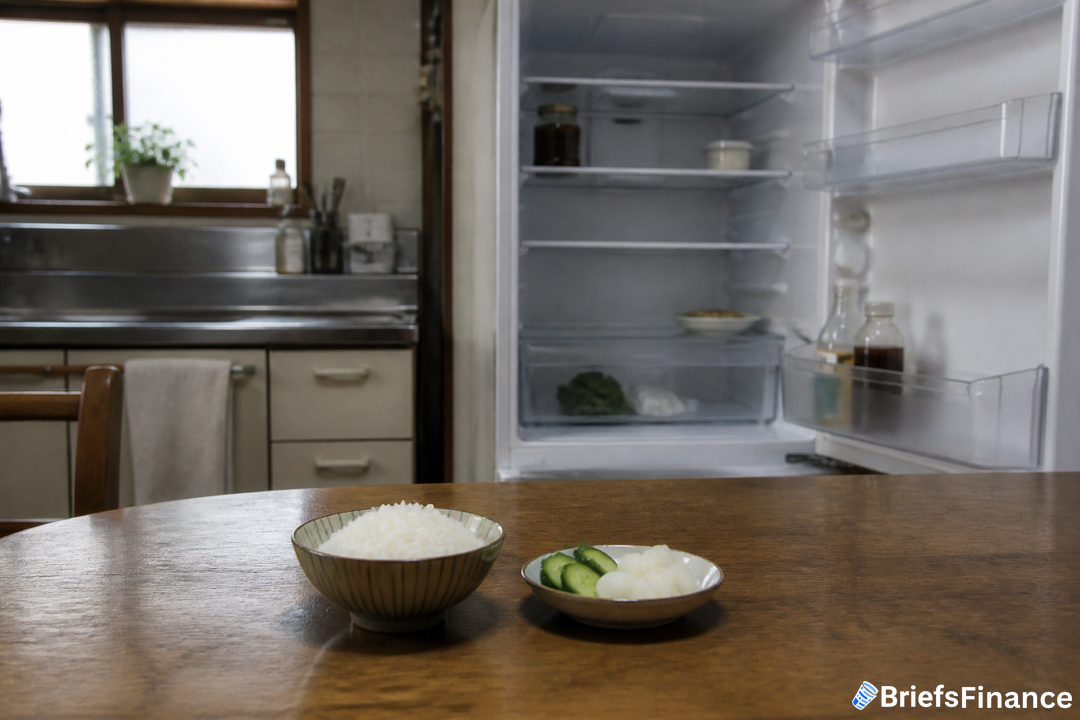
According to Japan's Ministry of Internal Affairs and Communications, real household spending was 3.6% lower in July than a year earlier, marking an eighth consecutive monthly decline. There was a small offset in the monthly detail, with a 0.5% gain from June after seasonal adjustment. The year over year decline was steeper than the 1.6% economists had penciled in.
Why spending is slipping
Households are still absorbing higher prices for daily necessities, especially food, even as officials try to contain energy costs. Cuts in spending on housing repairs and rents plus automobile-related expenses were key drags on the overall index. Wages are rising steadily, but consumers are showing inflation fatigue. The weak July print points to a sluggish start for the third quarter after private consumption stalled in the second quarter, weighing on overall growth.
Prices and what is coming next
Fresh food cost 7% more than a year earlier in July, while price gains for processed food eased to 3%. Teikoku Databank said planned price increases in July were nearly 22% higher than a year before, with an 83% jump in such adjustments projected for August and another surge expected in September. The firm attributed the forecast to higher costs for crude oil and naphtha connected to the Middle East conflict and to a weaker yen.
"Higher oil prices due to tensions in the Middle East, along with tighter global demand conditions, are affecting prices not just for energy but across a wide range of sectors," said Junwen Pang, economist at Daiwa Institute of Research. Looking ahead, Pang added, "I think consumption will increase, but only moderately," noting that while Prime Minister Sanae Takaichi's tax cut should help, companies may still pass higher costs on to shoppers given the Middle East situation.
A few minutes a day is enough to stay genuinely informed about your money. Join Market Briefs free and start tomorrow.
Policy moves and the takeaway for your wallet
As part of her push against inflation, Prime Minister Sanae Takaichi intends to cut the sales tax on groceries and nonalcoholic beverages to 1%, starting in April and lasting two years. She is additionally prolonging measures that limit gasoline prices. If companies follow through with more price hikes into autumn, these moves could cushion the blow, but they may not fully counter broader cost pressures. For households, the through-line is clear enough: pricier essentials are claiming a larger share of the budget, which shapes what is left for everything else.