What happened and why it blew up
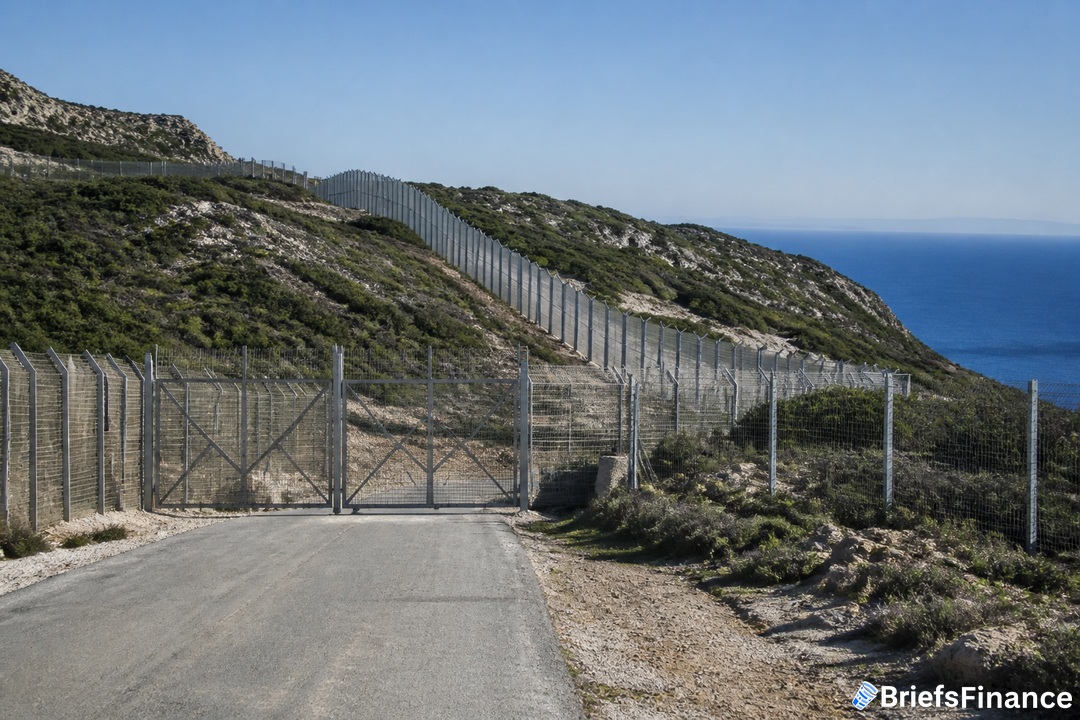
Facing heat after nationwide demonstrations a day earlier, Pedro Sánchez told lawmakers on Thursday that Spain's cooperation with Morocco needs to change. "It is clear that after what happened, that cooperation has to be different," he said. The trigger was a late July influx of roughly 80,000 people who entered Ceuta from Morocco without authorization.
Most left soon after, but between 5,000 and 10,000 are still in the compact city. On Wednesday, marches took place across Spain to back Ceuta and oppose the government, with roughly 50,000 demonstrators in Madrid.
Ceuta's strain and the Morocco question
Ceuta's situation has become a humanitarian crisis: many who are still there are sleeping on beaches and streets while they await government help or removal. A police report, Spain's opposition and Sánchez's coalition partner have all suggested Morocco bore responsibility at least for allowing the mass entry and potentially for orchestrating it. Sánchez had avoided assigning blame.
On Thursday he edged closer, stating that no evidence indicates Morocco planned the flood of migrants, and he added that Moroccan border guards allowed crossings for 10 hours. "Whether there was an inability to act or inaction is something that needs to be clarified," he said. "If there were solid evidence, we would act accordingly, with full force." He also emphasized the goal of a good-neighborly relationship with Rabat and pointed to how social media and migrant-smuggling networks factored into events.
The best financial decisions come from understanding the whole picture. Join Market Briefs free and get the full brief each morning.
What changes are coming and the political clock
Sánchez said he will seek a standing Frontex deployment in Ceuta from the EU border agency, and he will also ask Europol to set up a dedicated operation to track migration in the area. The prime minister has governed since 2018 atop a minority coalition and is slated to stand for reelection next year, expected in the first half. Most of Spain's 17 regions and major cities are slated to vote in late May.
For your wallet, the punchline is about stability. Cross-border coordination, EU involvement and election timing can all sway sentiment, so watch how these moves take shape rather than reacting to the headlines in the moment.