Machado's cautious reaction
Machado, a leading voice in Venezuela's opposition, chose not to denounce the oil arrangement or demand it be reversed. Instead, she zeroed in on who had the right to negotiate in the first place, casting doubt on acting President Delcy Rodríguez's mandate to cut the deal.
What she says is missing
Machado warned that key details are still opaque, saying, "The true scope of the agreement remains unclear, including who is signing it, who will provide financing and guarantees and how Venezuelans will benefit," and arguing that the country's resources belong to its citizens, not what she called Rodríguez's "illegitimate regime."
Her alternative and political calculus
Rather than reject the pact, Machado presented the US as Venezuela's natural partner to develop the country's vast energy wealth and called for a "strong, mutually beneficial partnership" that includes both countries and brings in firms, investors, and the workforce. She also promoted her own approach to attracting private capital, centered on publicly approved rules and open, competitive bidding.
The politics underneath, and why it matters to your wallet
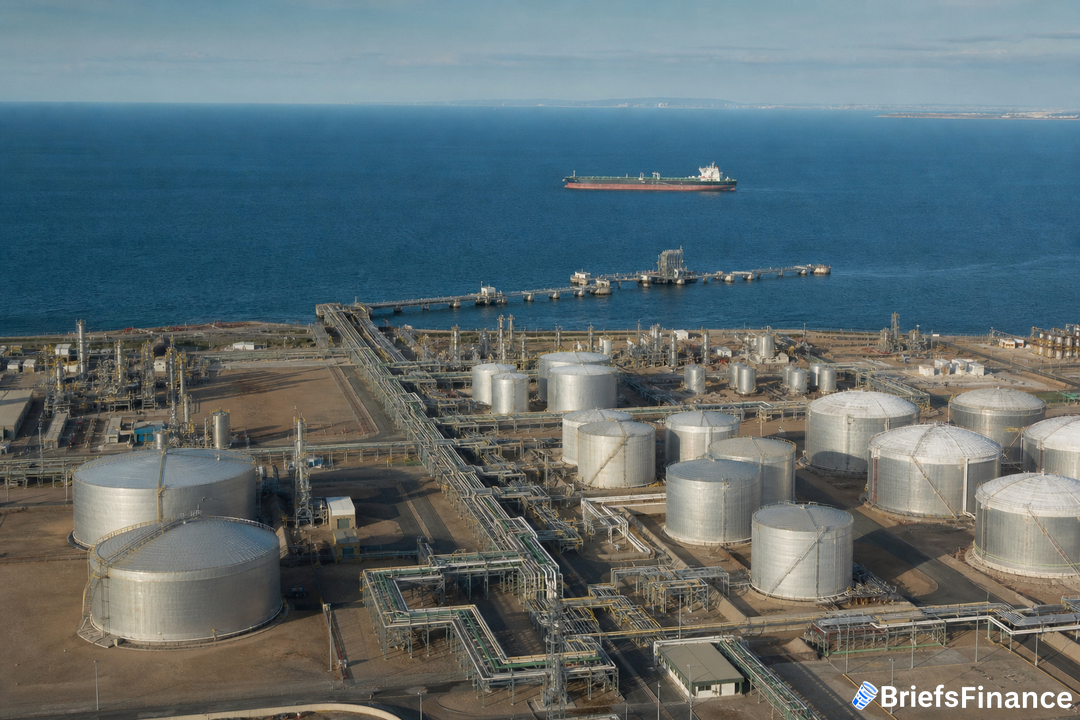
Her careful posture stems from her precarious position: she aims to go back to Venezuela and ultimately vie for power. To achieve that, she needs backing from the Trump administration, which has positioned the oil deal at the heart of its ties with Rodríguez and expects future Venezuelan governments to maintain it. When she spoke, it had been nearly a week since the Trump administration and Venezuela unveiled a far-reaching agreement that hands the US control of approximately 65 billion barrels of Venezuelan oil.
Rates, prices and policy all end up in your budget eventually. Get the free Market Briefs daily newsletter and see it coming.
Inside Machado's camp, some allies have taken a tougher stance, arguing anything Rodríguez signs is void because she lacks legitimacy. On the other flank, hard-line Chavistas accuse Rodríguez of giving up control of a resource that is core to their nationalist identity. For your money, the takeaway is simple: when political legitimacy is contested and the stakes are measured in tens of billions of barrels, energy narratives can shift fast, and with them the fortunes of anyone exposed to Venezuelan crude.