The Announcement and Its Rationale
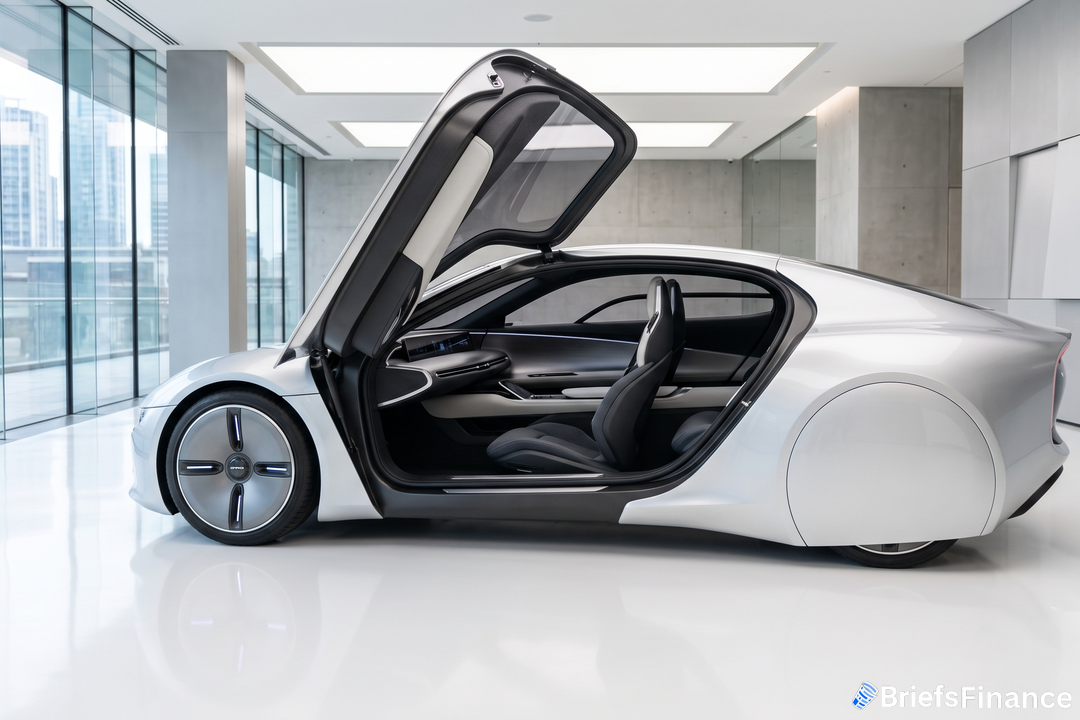
The proposed changes are part of the Trump administration's efforts to modernize autonomous vehicle regulations, potentially speeding up approval for vehicles like Tesla's Cybercab - a two-passenger EV without a steering wheel or pedals.
"If you're developing a vehicle that is designed never to be driven by a human operator, it doesn't make any sense to require manual controls," said NHTSA Administrator Jonathan Morrison.
These regulatory changes come as automakers and tech companies accelerate development of vehicles without traditional controls. Tesla's Cybercab, for instance, is being produced, but the company has yet to receive clearance to operate them commercially without a driver. Competitors such as Waymo and Zoox have already deployed purpose-built autonomous vehicles in limited areas, highlighting the need for updated federal standards.
Get the market news that matters in a five-minute read with Market Briefs, our free daily newsletter
Several major companies compete in the robotaxi sector, such as Amazon's Zoox and Alphabet's Waymo, which currently runs the largest paid autonomous taxi service in the United States. Morrison provided no timeline or specifics regarding a possible review of the steering wheel regulations.
The updated rule regarding brake pedals applies solely to cars built to function without any human operator, keeping current requirements in place for all other vehicles.
The removal of the foot brake requirement in June 2026 marked a significant step, and the current review of steering wheel rules continues that trajectory. NHTSA's decisions are closely watched by automakers and safety groups alike, as they will shape the design and deployment of future autonomous vehicles.
The Industry Landscape
Elon Musk has pushed for regulatory adjustments to enable wide-scale commercial use of autonomous cars, including urging the creation of a national policy for self-driving vehicles. Other players are also in the race.
Amazon.com Inc.'s Zoox builds a driverless vehicle with no manual controls. All of them stand to benefit if NHTSA removes the steering wheel mandate.
The potential removal of the steering wheel mandate is part of a broader effort to modernize federal safety standards that were originally written with a human driver in mind. NHTSA has faced growing pressure from automakers and technology companies to adapt rules for vehicles that lack conventional controls. With the steering wheel now under review, the agency is signaling a continued willingness to reshape regulations for an autonomous future.
Waymo currently operates its paid autonomous taxi service using modified vehicles that still include a steering wheel, while Zoox has engineered a purpose-built robotaxi without any manual controls from the start. These differing design approaches underscore why a uniform federal standard is needed. Automotive safety advocates have raised concerns about emergency situations where human intervention might be needed, though proponents argue that fully autonomous systems are designed to handle all scenarios. NHTSA's review will likely involve public comment periods and safety data analysis before any final decision.
Join Market Briefs, our free daily newsletter, for a quick daily rundown of the markets