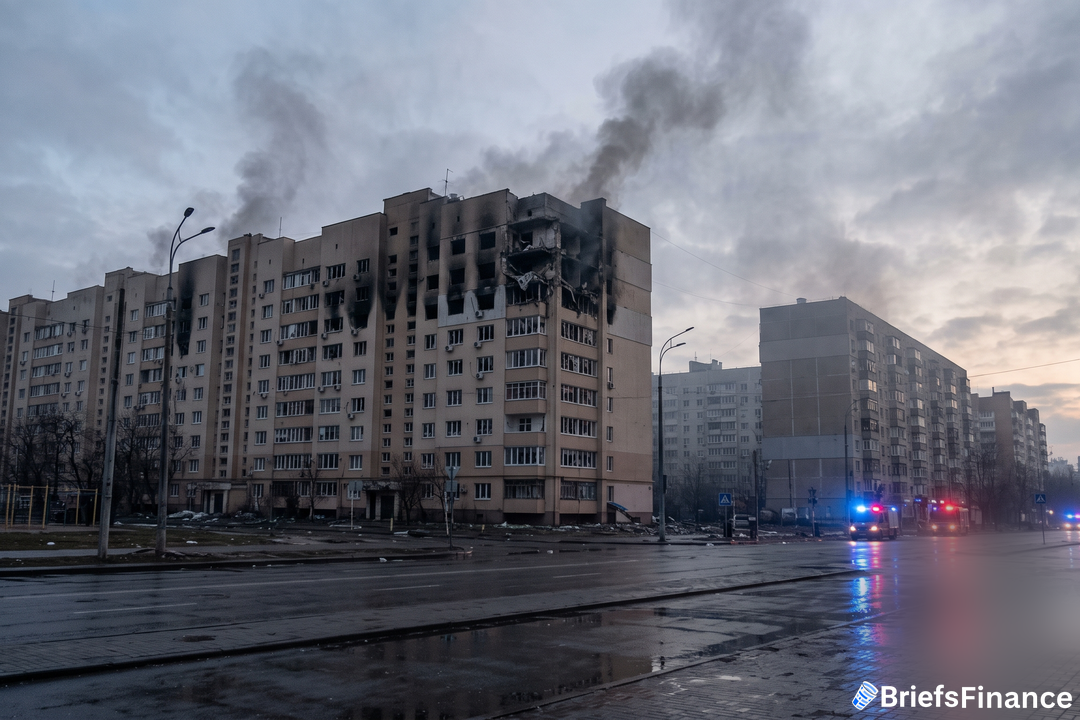
Russian missiles struck Kyiv the day before the summit. President Trump landed in Turkey hours later. The NATO alliance faces a dual crisis: a war on its eastern flank and a fight among its own members over who pays the bills.
The Summit's High-Stakes Setting
Trump arrived at Ankara's airport where Turkish President Recep Tayyip Erdogan met him. The two held a bilateral meeting. Trump called Erdogan "a very strong person" and said he might not have attended the summit if it were not held in Turkey.
The summit brings together all 32 NATO members under pressure from Russia's ongoing military campaign in Ukraine. A senior U.S. official said billions of dollars in new spending announcements are expected on the sidelines.
The attack on Kyiv underscores the urgency of the summit's agenda. Ukraine has been pleading for more air defense systems to counter Russian strikes, and the timing of the attack just before the meeting highlights the ongoing threat. Meanwhile, Trump's call with Putin has raised questions about whether a negotiated settlement is possible, though analysts remain skeptical.
Get your free investing masterclass bonus when you join Market Briefs, our free daily newsletter
U.S. Pushes for Faster Defense Spending
Last year, NATO nations committed to raising their defense budgets from 2% to 5% of GDP by 2035. Currently, the Trump administration insists that member states reach that goal much more quickly than previously planned. U.S. Ambassador to NATO Matthew Whitaker said, "The target is that Europe takes over the conventional defense of the European continent. We're not going away, we're just doing less."
Additional friction arises from past U.S. military action in Iran and the earlier proposal to acquire Greenland, which belongs to NATO ally Denmark.
Ukraine's Plea for More Air Defense
Ukrainian President Volodymyr Zelenskyy is scheduled to attend the summit and hold a bilateral meeting with Trump. He said, "The United States and Europe have enough strength to stop this terror." Ukraine hopes NATO members will commit to more air defense systems to protect against Russian missile and drone strikes.
The strike that killed at least 11 in Kyiv came one day after a 90-minute phone call between Trump and Putin. The Kremlin said the call was "business-like and constructive." Putin aide Yuri Ushakov said Putin described the "real situation on the battlefield." Trump said of Putin, "I think he does feel pressure. He wants to end it, and Ukraine wants to end it, and we're in talks, and we'll see if we can get it ended."
Analyst Michael O'Hanlon of the Brookings Institution offered a cautious view. He said, "I do not think there's any great evidence that Putin is closer to doing a deal. I hope President Trump's right, but I haven't seen proof yet."
Worth Noting
O'Hanlon also warned, "I can imagine so many issues where this could go wrong." He added, "I don't expect great things, but even incremental progress and no blow-up would be welcome." The summit may produce new commitments, but the risk of a breakdown in talks remains real.
Subscribe to Market Briefs, our free daily newsletter, and claim your bonus investing masterclass