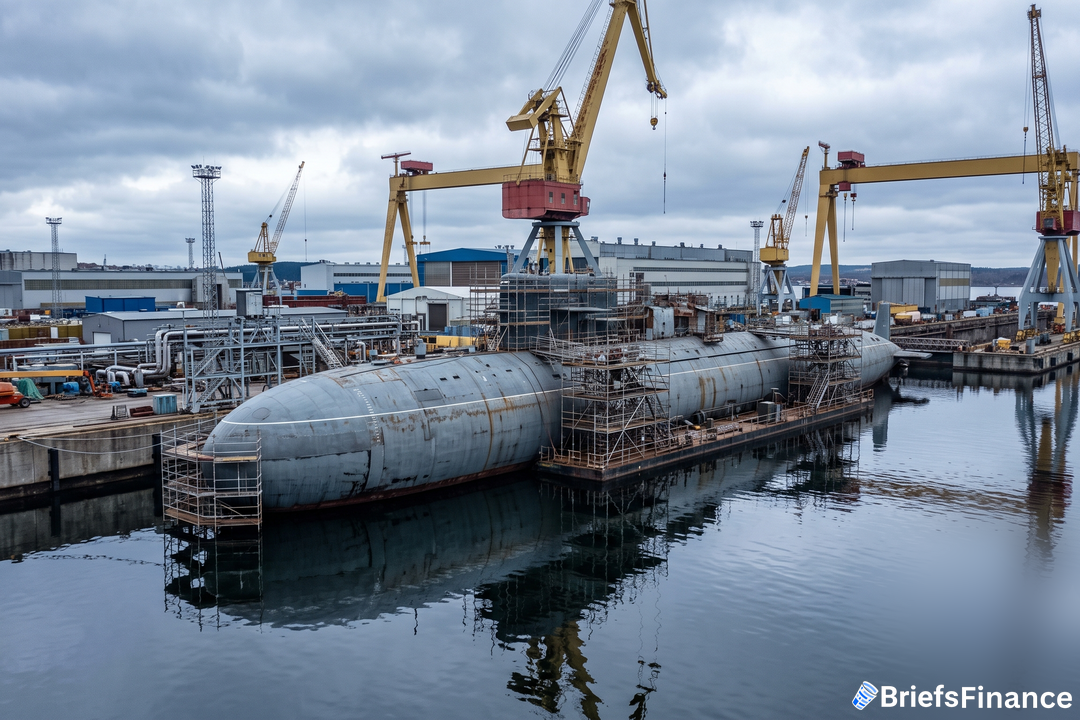
Hanwha Ocean's stock price fell like a ship taking on sudden water.
The Loss and the Share Price Plunge
Why Canada Chose Germany Over South Korea
Canada's decision was not about rejecting South Korea. It was about choosing a submarine design that already works with its closest allies. The TKMS proposal is built around the 212CD submarine design, which is already in service with Germany and Norway - both close NATO partners of Canada.
Vina Nadjibulla, vice-president of research & strategy at the Asia Pacific Foundation of Canada, explained the logic: "Canada's choice of TKMS should therefore not be read as a rejection of South Korea or the Indo-Pacific. It is better understood as a decision that reflects the enduring pull of NATO, Arctic capability, transatlantic defence-industrial integration and procurement risk."
Get your free investing masterclass bonus when you join Market Briefs, our free daily newsletter
TKMS also highlighted the alliance angle. In a statement, the company said: "The announcement marks the start of a new chapter in defence cooperation between three close NATO allies, bringing together shared expertise and common security interests."
Canada's Submarine Requirements
The Canadian navy is seeking to replace its aging Victoria-class submarines with modern vessels capable of sustained operations under Arctic ice. NATO interoperability was a core requirement, which gave TKMS a natural advantage. South Korea's offer, while competitive on cost, lacked the same degree of existing alliance integration.
This decision arrives as U.S. President Donald Trump continues to pressure NATO allies to boost their defense spending. By selecting TKMS, Ottawa gains entry to European defense and industrial supply chains amid ongoing U.S. pressure on NATO allies to boost spending.
Political Reaction from Seoul
South Korean President Lee Jae Myung acknowledged the loss publicly. In a Facebook post (translated from Korean via Google), he said: "Challenges inevitably bring both successes and disappointments. What matters is that we do not stop but continue to move forward."
Broader Implications for Hanwha Ocean
The outcome underscores how alliance politics often outweigh cost advantages in major defense procurements. For Hanwha Ocean, the loss may prompt a reassessment of its international bidding strategy, particularly in markets where existing naval partnerships are critical. Yet South Korea remains a growing defense exporter, and the company continues to pursue opportunities in other regions, including potential submarine deals with Australia and Poland.
Worth Noting
The TKMS contract opens the door for Ottawa to integrate with European defense and industrial supply chains at a time when transatlantic alliances face strain.
Subscribe to Market Briefs, our free daily newsletter, and claim your bonus investing masterclass