Where each automaker stands now
Ford's energy storage push is gaining traction. CEO Jim Farley told investors in July that, following a five-year framework agreement with EDF Power Solutions North America, the company is already in the "third inning" of filling orders covering 20 gigawatt hours devoted to energy storage systems.
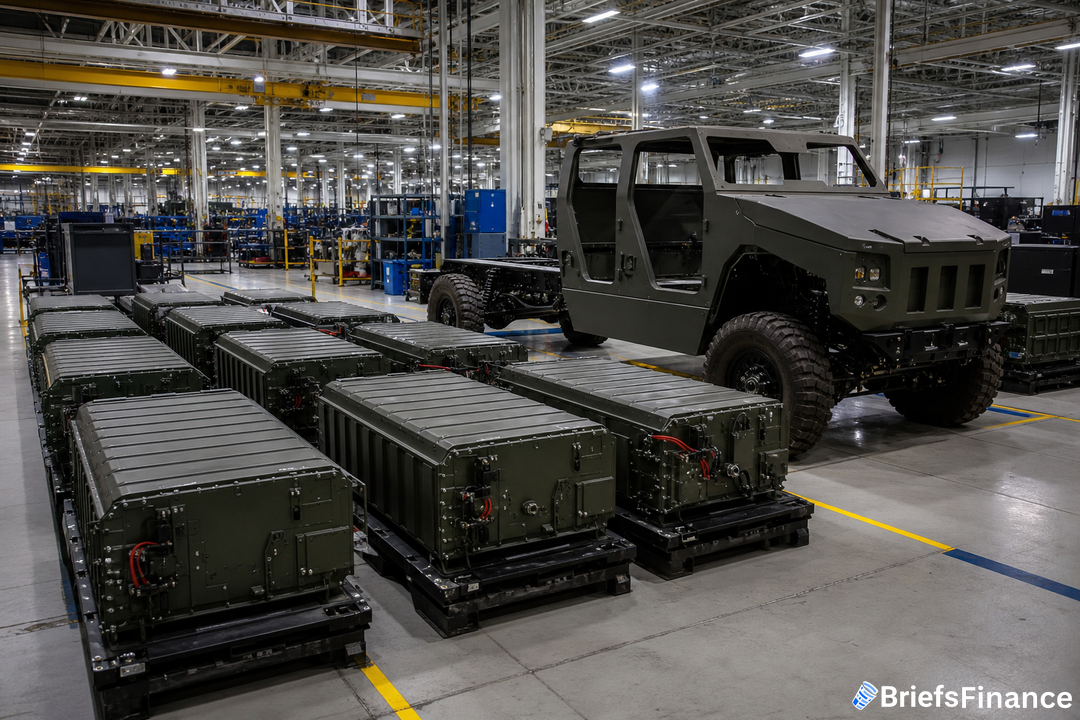
GM, meanwhile, has a head start in defense. It revived GM Defense in 2017 after a 14-year hiatus and has collaborated with the U.S. military on numerous efforts. Most recently, it won a U.S. Army contract to build infantry squad vehicles; according to the company, the value could surpass $1 billion, contingent on what Congress appropriates.
Military demand and industry momentum
Opportunities tied to U.S. military operations are expected to expand, and automakers are leaning in. GM and Ford were among companies selected for prototype contracts to develop heavy infantry squad vehicles, which are larger than earlier iterations. In an interview with CNBC, Alfred Grein, the U.S. Army Combat Capabilities Development Command Ground Vehicle Systems Center's top official overseeing research and technology integration, noted that drawing on automakers and their supplier bases delivers a "huge benefit" because of their scale and manufacturing strength.
Grein, who oversees technology for manned and unmanned ground systems across the Army, said the Trump administration made it easier for newer players, including carmakers, to secure these contracts. He also underscored that domestic production is vital, noting that "the concern about foreign entities' involvement in particularly Department of Defense product becomes more and more crucial."
Rates, prices and policy all end up in your budget eventually. Get the free Market Briefs daily newsletter and see it coming.
Financials, partners, and what to watch
GM posted $48 billion in second-quarter revenue. Looking ahead, it expects defense revenue to reach almost $700 million in 2026, aims to deliver positive EBIT this year, and says it is building a backlog of future business. In July, CEO Mary Barra said GM is partnering with Lockheed Martin and other major players to enhance the defense industrial base's speed, scale, and resilience. She said that, over time, those initiatives are expected to turn GM Defense into a more significant and diversified contributor to earnings.
Ford has been quieter on U.S. defense details. On Wednesday, the company announced it had teamed with General Dynamics Land Systems and Ricardo, an engineering firm, to bid on providing a next-generation vehicle to the United Kingdom's Ministry of Defence Light Mobility Vehicle program. On a July investor call about U.S. government defense projects, Farley said, "It's a great opportunity for us."
Bottom line for your wallet: defense and grid storage are emerging as new revenue lanes for Detroit. Keep an eye on how fast those contracts turn into booked backlog and whether the prototypes scale into programs that stick.