The supply squeeze Meier is worried about
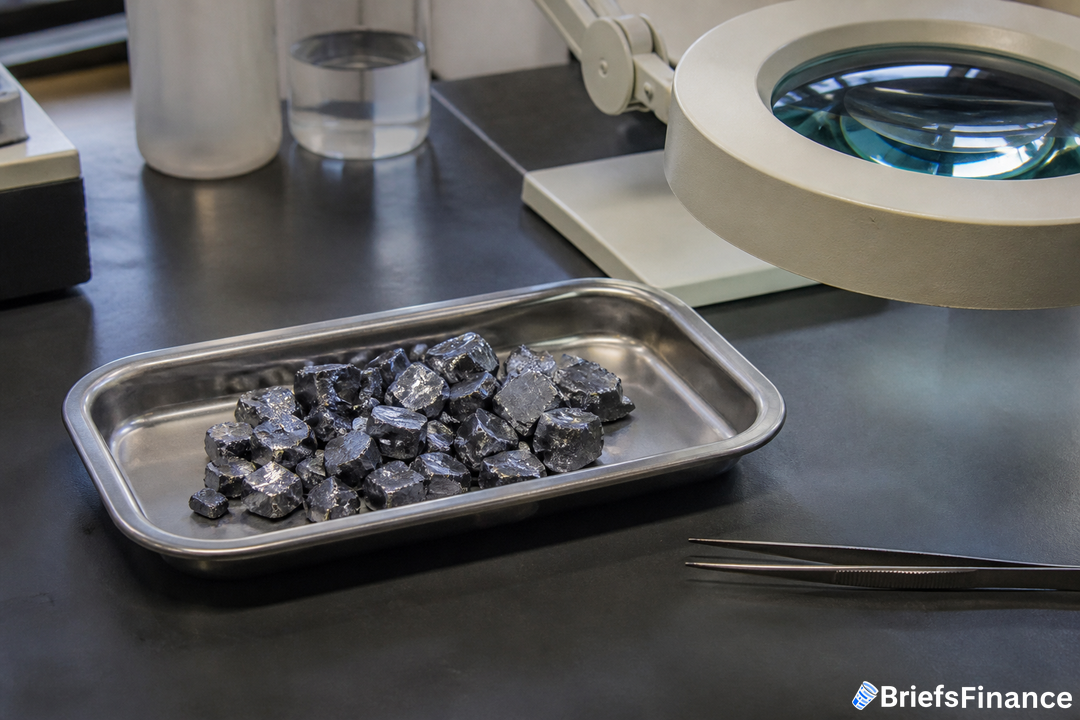
According to IQE's boss, Jutta Meier, obtaining indium phosphide substrates is rapidly turning into a critical weak point for chipmakers because China's export regulations are injecting uncertainty into supply. She called the wider industry's biggest issue "geopolitical constraints" on getting the material used in chips for high speed data transmission, with demand now outrunning available supply. "We are mitigating the risk by a broad engagement with different suppliers," Meier said. "But ultimately, export control licenses will also impact us if the policies around those are revoked."
Results and the stock pop
Cardiff-based IQE reported that revenue climbed 40%, attributing the increase to heightened orders from AI data centers, smartphone sensor components, wireless and defense markets. In a Monday statement, the company reiterated that it expects revenue to rise by more than 30% in fiscal 2026. In London trading, the shares advanced up to 6%, and heading into the session they were already up 849% for the year.
Industry backdrop and IQE's positioning
According to the US Geological Survey, China accounts for 70% of the world's indium phosphide supply. The compound semiconductor sector has been benefiting from booming demand for indium phosphide photonic technology - a chip approach that creates and boosts ultra fast light signals inside AI data centers. Even so, concerns about the durability of the AI spending boom and about China's progress in chipmaking sparked a sector selloff in July.
Meier said IQE's AI exposure is broader than data centers, extending to areas like robotics and sensing. "As AI and technology will evolve, IQE is ready to supply solutions into that space in every single application," she said.
Rates, prices and policy all end up in your budget eventually. Get the free Market Briefs daily newsletter and see it coming.
Business mix, recovery and what to watch
IQE said its wireless unit improved during the year's first half, helped by demand for specialized wafers used in radio frequency chips. The bounce-back comes after a soft 2025, a year in which photonics surpassed wireless and, for the first time, became the company's largest segment. Meier added that risks tied to export licenses are already incorporated into IQE's guidance for the second half of 2026.
The company also plans to shift its stock market listing from AIM to the London Stock Exchange's Main Market to tap institutional capital and boost liquidity. For anyone watching their own portfolio, the takeaway is simple: supply chains and policy decisions are shaping the pace of this AI hardware cycle, and companies tied to those inputs can move quickly as the story evolves.