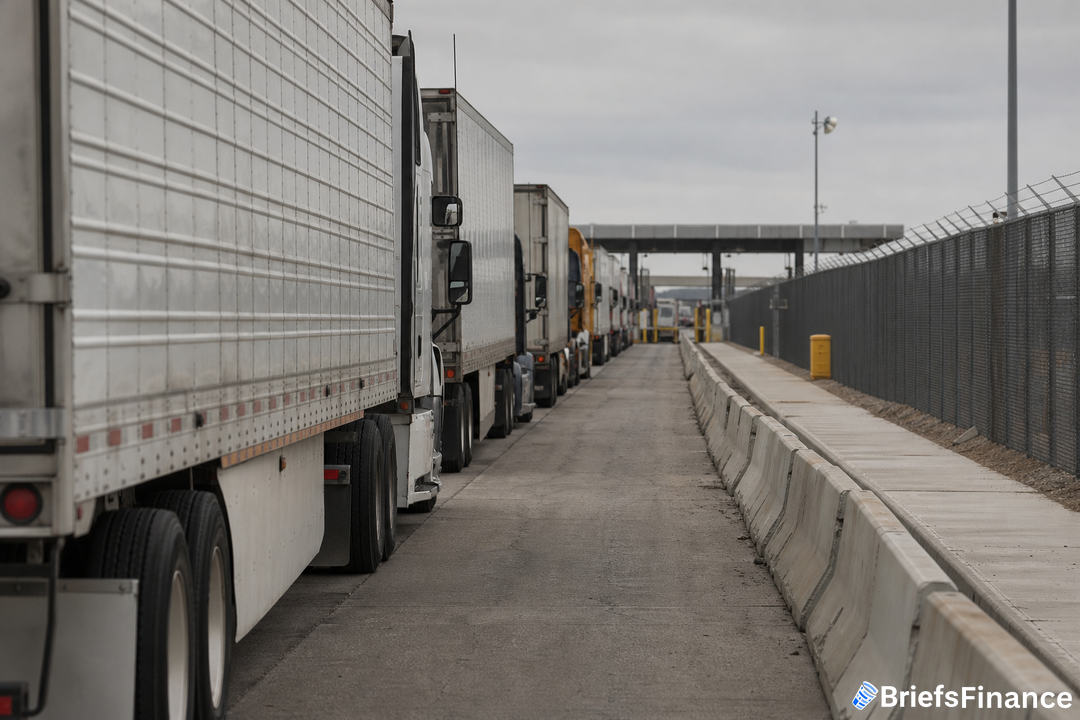
What changed and when
The administration disclosed a tariff reshuffle: some Canadian products are coming off the high-duty list, and other Canadian items are going on. President Donald Trump signed a proclamation Friday removing certain goods from the 50% tariff lineup he created over the summer under a 96-year-old trade statute.
A White House fact sheet says those removals are being replaced with "certain valves, carpets, waste products, and others," describing the move as meant to "further refine the scope of the tariffs on certain Canadian products." The updated inclusions and exclusions under the "Section 338" regime begin on Oct. 30, coming four days ahead of the Nov. 3 election. Less than an hour after Sen. Susan Collins promoted the exemptions, the White House unveiled the additions.
Maine politics meets tariff chess
Collins credited her outreach for the carve-outs in a rollout first noted by The Wall Street Journal. Her announcement did not say that while some Canadian products would be exempted, additional items were being placed on the tariff list. Before the fact sheet surfaced, her office sent a release saying she had secured exemptions on "nine categories of products crucial for Maine's agricultural industries."
Pressed on what Collins asked for, spokeswoman Phoebe Keller told CNBC the senator "requested exemptions for products that are important to Maine and will continue to do so." Collins said she had reached out to U.S. Trade Representative Jamieson Greer and Commerce Secretary Howard Lutnick seeking "tariff relief" for Maine-focused products, citing the "burdens additional costs impose on Maine businesses and families." She added, "I will continue working directly with Administration officials to seek additional relief from tariffs and encourage a broader trade agreement with Canada, our neighbor, ally and largest trading partner." The fact sheet did not reference Maine.
Trade policy changes can ripple across markets and industries, so get clear context in the free Market Briefs newsletter today
At the inaugural televised matchup of Collins and Democratic challenger Troy Jackson on Oct. 6, Collins said she had helped remove some items, including road salt. Jackson, a fifth-generation Maine logger, shot back, "What about everything else? We can't eat road salt." Ballots are already being cast in a pivotal Senate race where the tariffs have been unpopular, and Maine businesses are deeply tied to Canada, importing far more goods from there than from any other country.
The administration's rationale and what is exempted
White House spokesman Matthew Middleton said Friday that Trump's proclamation is part of a broader push to "address Canada's discriminatory treatment of U.S. commerce." He added, "The President is taking action in response to Canada's continued discrimination against and additional retaliation targeting U.S. commerce, with the goal of protecting American farmers, manufacturers, and workers," and pledged to use "every available tool" to restore reciprocity. During his second term, Trump has levied steep duties across numerous Canadian goods, intensifying a trade war with the leading U.S. economic partner.
Collins said the newly exempted categories include corrugated paper, plastic containers and packing bags, refrigeration systems, multiple types of machinery, plus seaweed and algae products.
Why investors should care
In plain English: a 50% tariff still covers some Canadian imports, but the mix is changing, with valves, carpets, and waste products moving under the umbrella while other items get relief. For portfolios tied to packaging, refrigeration, machinery, and cross-border logistics in the Northeast, the watch list is input costs, margin pass-through, and election-timed policy shifts.
When trade and policy shift, a concise daily summary helps you stay grounded, so sign up for the free Market Briefs