What DSI Will Do
Indonesia wants to know exactly what leaves its ports, and what that cargo really sells for. President Prabowo Subianto has made no secret of wanting more control over the country's commodity trading and pricing.
His latest tool is a new state-backed entity called PT Danantara Sumberdaya Indonesian, or DSI. It sits under Danantara, Indonesia's sovereign wealth fund, and its mandate is to inspect ships leaving the country.
CEO Luke Mahony describes the job simply. "We look at vessels and where they are going to, and the related parties," he said.
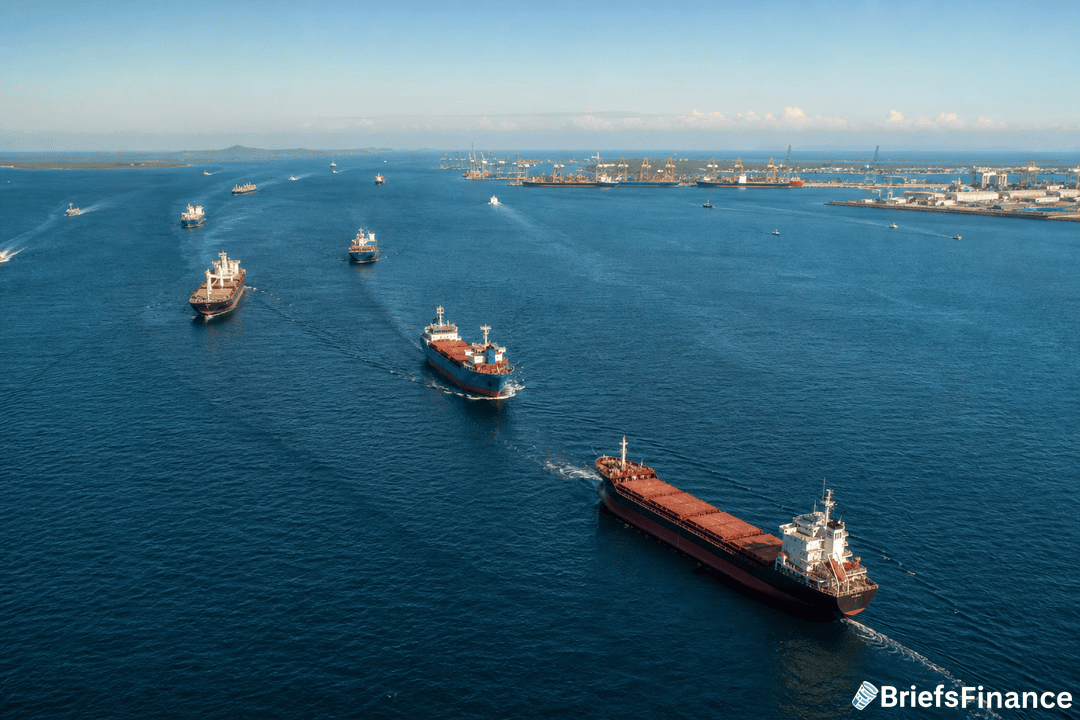
Mahony estimates about 100 ships carrying palm oil and coal leave the country every day. DSI will monitor those ships and where they dock.
The idea is to catch goods sold at a lower price than they should be. One common move is transfer-price manipulation, where a company sells to a related business abroad at a low price, keeping profit in a place with lower taxes.
DSI wants to compare export declarations with market-based indexes. The goal is to make sure the reported value matches what the buyer actually pays.
This is not a plan to take over the market. DSI will pull together data that already exists in the industry, not replace buyers, sellers, or brokers.
DSI is not becoming the country's only commodity exporter. Mahony says DSI values good governance and honest market pricing, and he insists the plan will not create additional bureaucracy, adding: "We focus on the governance and value, and respecting the market."
The money story behind the headlines is usually the part that matters. Join Market Briefs free and get it every morning.
Why Indonesia Wants More Sway
Indonesia is the region's largest economy and a big producer of palm oil and coal. Prabowo has argued that kind of heft should carry more weight in how commodities are priced and traded.
DSI, launched in March, is one piece of that. Its focus is on reducing undeclared low-price invoices and transfer-price manipulation so more commodity earnings stay at home.
Another piece came in August, when Prabowo announced a future exchange for minerals and strategic raw materials. That plan is separate from DSI so far.
That exchange is due in January 2027. It aims to create Indonesian reference prices and cut reliance on benchmarks set abroad.
What is less clear is how the exchange and DSI fit together. The government has not explained how they will relate to each other or to the commodity exchanges already operating.
What Changes for Exporters and Investors
While DSI gets up to speed, the flow of goods and money stays the same. Exporters continue normal operations, but they have to supply DSI with sales contracts and shipment records.
DSI is in talks with several ministries, and officials plan to release full details of its operating model later. The company says it can cover its own costs and earn a margin, so there would be no added fees that increase the burden on exporters.
The commissioners are Tony Storey, CEO of PT Freeport Indonesia, and Mari Elka Pangestu, deputy chair of the National Economic Council. Sinthya Rost, former finance chief of PT Perusahaan Listrik Negara, is DSI's finance director.
The technology platform goes into a pilot in mid-October. That gives the system several months to show how it handles real shipments.
By mid-October, the pilot will be well under way. Officials have not released the full operating model yet, so the details are still taking shape.
The plan calls for a review after Jan. 1. That review will give the government a formal read on whether the tracking effort is working.
For your portfolio, this is really a story about where commodity prices come from. If DSI catches underreported sales, more value could stay inside Indonesia, and that could matter for anyone exposed to the country's palm oil, coal, or mineral trade.
If the system simply layers more monitoring on a complex market, the extra cost could show up in export margins. Until those details arrive, investors are waiting for a clearer signal of where prices are really heading.
Understanding what moved a market beats knowing that it moved. Get the free Market Briefs daily newsletter and follow the drivers.