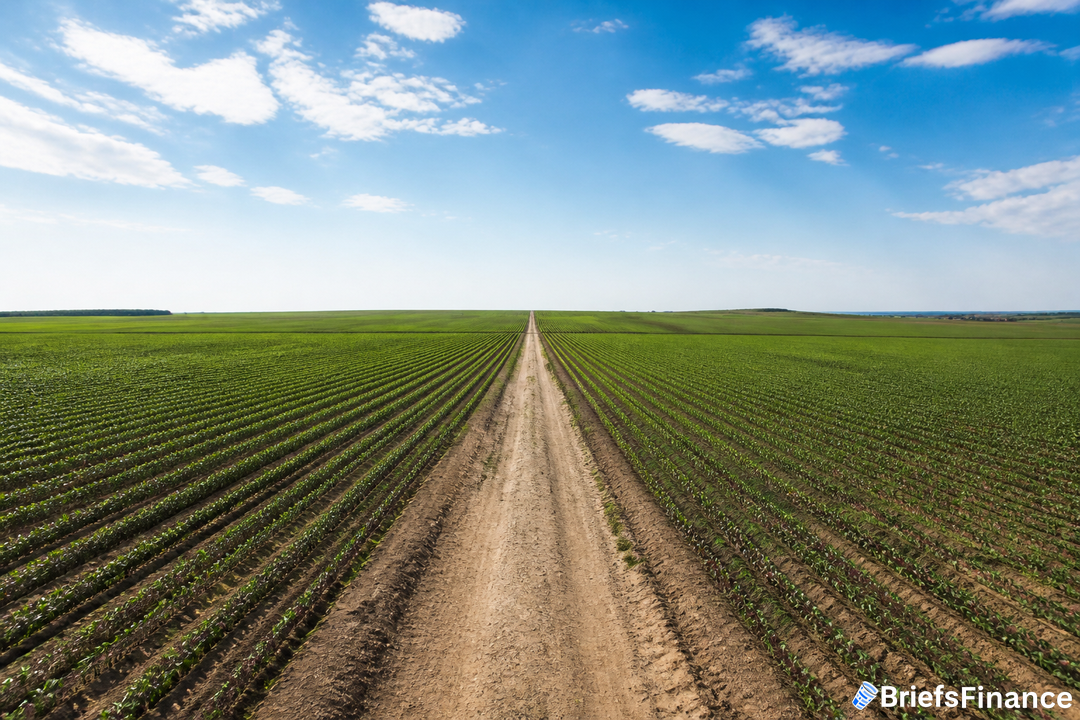
A Big Farm Deal Takes Shape
Brazil turned its own dry plains into one of the world's biggest breadbaskets. Now it is taking that playbook to Africa, and Angola is the next test case.
That is roughly the size of a small country, and it would be one of the largest farming projects on the continent.
The announcement came at a business gathering in Luanda, where Alex Giacomelli, Brazil's trade-promotion secretary, said the "agricultural productive-investment cooperation agreement is expected to be signed soon".
The agreement would go beyond just planting crops. It would adapt Brazilian farming methods and technology to Angolan conditions while supporting local production capacity, Giacomelli said. He did not give further details.
A Warning From Angola
The deal has been a long time coming, and Angola has run out of patience. Angola had earlier warned that it might replace partners because investment had repeatedly been delayed.
The money story behind the headlines is usually the part that matters. Join Market Briefs free and get it every morning.
Earlier in August, Isaac dos Anjos, Angola's top farm and forestry official, warned that Brazilian lenders needed to guarantee project financing or Angola would find other partners. The warning came just weeks before the current announcement.
BNDES, Brazil's development bank, knows the negotiations are ongoing, according to André Taveira Cruz, an export-credit manager at the bank. He said funding can only be arranged after commercial agreements are completed.
Why Angola Wants This
Angola picked the land for Brazilian firms to survey and develop last year. The country is trying to depend less on oil and cut its reliance on imported food.
The scale of the project shows how international investors and governments are competing for African farmland. Angola has vast untapped arable land, but its economy has long been built around oil. Bringing in Brazilian farming expertise is part of a broader push to diversify and to grow more food at home.
Brazil is not the only country in the mix. Chinese companies have also signed on: Citic Construction will develop 100,000 hectares for soy and corn, and Sinohydro, a government-owned hydropower construction firm, will cultivate 30,000 hectares of grain.
What It Means for Investors
For everyday investors, this is about food security and global supply chains. When a country opens up land for foreign farming, it changes the flow of crops like soy and corn that end up in products worldwide.
The deal also shows a shift in global farming power. Brazil has become a major farming exporter by adapting its methods to new environments, and it is now selling that know-how abroad.
For the average investor, these international farming deals could influence everything from food prices to the performance of agricultural stocks in your portfolio. When a country starts planting on this scale, the effects ripple through global commodity markets for years. Angola wants to feed itself, and it is willing to look beyond its borders to make that happen.
Understanding what moved a market beats knowing that it moved. Get the free Market Briefs daily newsletter and follow the drivers.