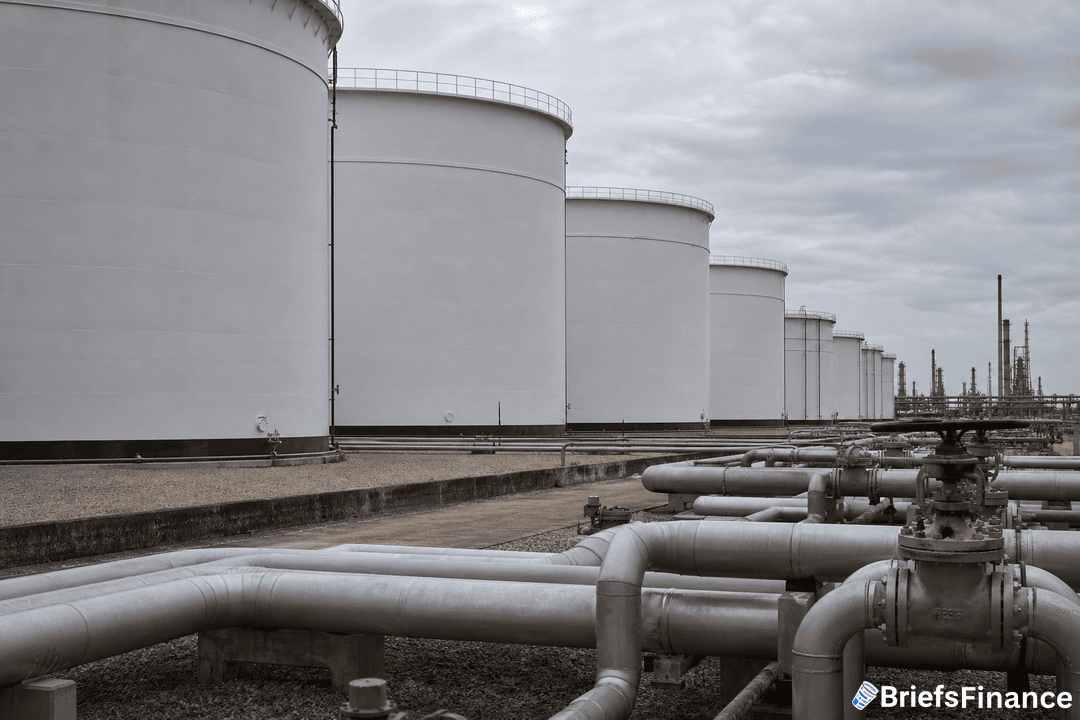
Russia's Fuel Market Has a Supply Problem
Russia's fuel market is sending mixed signals right now, and the short version is that gasoline is tight, while diesel is mostly fine. Deputy Prime Minister Alexander Novak said Friday that the country's gasoline supply is tight, according to a report from the news agency Interfax. Diesel and jet fuel inventories, on the other hand, are adequate for the domestic market. The shortage comes from some refineries that recently completed scheduled repairs and are just beginning to ramp up output.
Ukrainian drone strikes on Russia's energy infrastructure have become nearly daily events, and Moscow has banned most exports of diesel, jet fuel, and gasoline to keep what it produces at home. That ban has held the domestic market together, but it has also put a floor under how much flexibility Russian providers have.
The comments came after a Friday meeting on the fuel market, where he asked refiners to adjust their power maintenance schedules so supply does not dry up while plants are offline. Novak said several refineries had just finished maintenance and were starting to push more fuel into the system, which should ease the squeeze, but he also made clear the situation needs watching.
"We will monitor the situation and make decisions as needed," Novak said.
When gasoline supplies tighten, steady wealth building matters, so grab the free Always Be Buying E-Book to invest consistently over time
The Export Question
The bigger unresolved question is what happens to the ban on exports. Russia has blocked most overseas sales of diesel, jet fuel, and gasoline to protect domestic supply, and that restriction on diesel producers stays in place at least through Sept. 1, according to Interfax. Whether it gets lifted after that date is still an open call.
Moscow has not decided yet, and the uncertainty matters because export bans are a blunt instrument. They keep fuel at home, but they also cut revenue for refiners and reduce the pool of hard currency coming into the country. Tight gasoline supply suggests the government cannot fully open the taps just yet without risking shortages at the pump.
For everyday drivers in Russia, the fuel situation was still visible. In one photo from Aug. 21, motorists in Dedovsk lined up at a fuel station where only diesel was available. That sort of scene is what happens when supply chains run thin, and it is why Moscow keeps export restrictions in place even as global prices tempt producers to sell abroad.
For investors, the key number to watch is the price of refined products, and the market is already signaling something. The contract known as a Generic 1st "XB" Future was sitting near 334.79, with a daily move of about 2.61%. That kind of swing is a reminder that fuel markets can turn fast when supply is fragile.
The drone strikes that keep hitting Russian refineries are behind all of this. They are nearly daily events now, and while Moscow has managed to keep domestic pumps mostly stocked, the export bans are the safety hammer doing the heavy lifting. As long as that valve stays shut, global fuel buyers have one less supplier to count on, and prices stay jumpy. The numbers to watch are the ones tied to fuel prices, because they move on headlines like this.
What It Means for Investors
None of this means a crisis is coming. It does mean fuel prices can stay stubbornly sensitive to news out of Moscow, especially while drone strikes keep hitting refineries. Energy prices still swing on geopolitics, and a tight Russian market is a reason to expect more volatility.
If you own energy stocks, a tight Russian market is a tailwind. If you are just filling up the tank on the way to work, it is a reason to keep watching what happens next.
The diesel ban runs through September 1, and Moscow has not said what comes after. Until it does, expect the guessing game to continue. Novak's message was simple: supply is tight, but manageable, as long as the refineries keep supplying fuel.
Export bans remind us to focus on what we control, so get the free Always Be Buying E-Book for steady investing