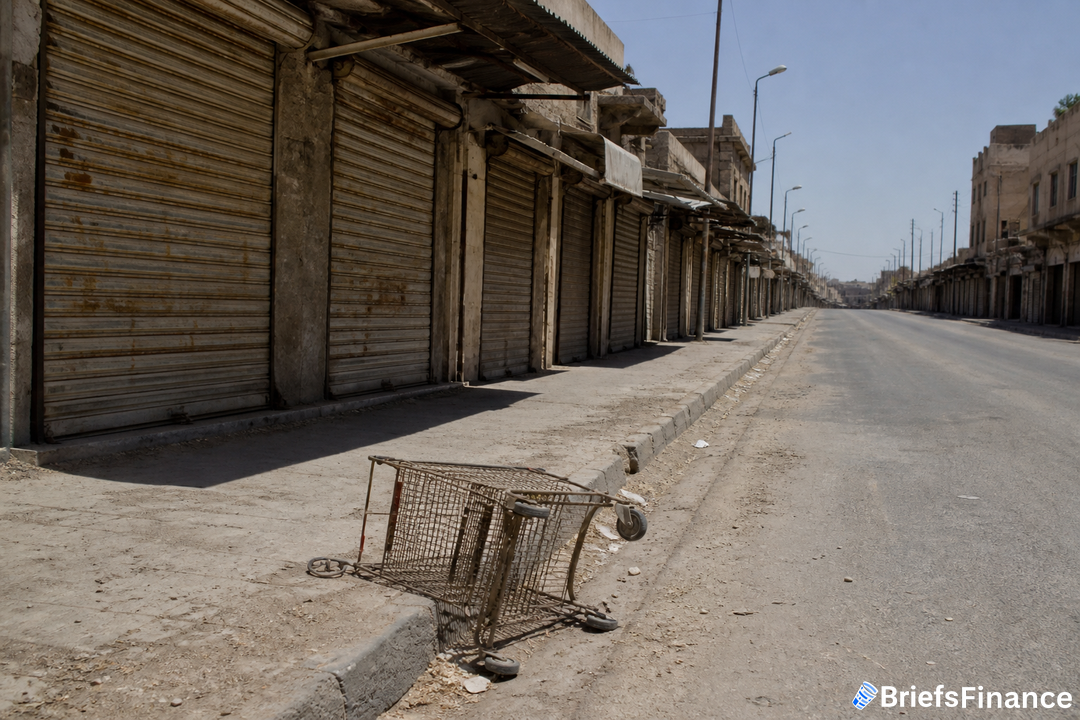
The White House is betting that money can do what bombs have not.
President Trump wants to force Iran into a war-ending deal on US terms using sanctions, a naval blockade, and economic pressure on Tehran's trading partners. Treasury Secretary Scott Bessent is set to roll out the details of that plan on Monday, and it could reach far beyond Iran itself.
But here is the catch the administration may be underestimating. Iran has taken hits since Feb. 28, when the US and Israel first attacked. It has absorbed airstrikes, sanctions, and a Navy blockade. And it still has ways to hit back.
The Plan and Its Targets
The idea is simple on paper. If you cut off the money, the regime has no choice but to negotiate. The US wants to hit Iran's oil sales and its connections to the global economy, which means applying pressure on countries like China, India, Turkey, and the United Arab Emirates.
Beijing purchases the largest share of Iran's crude exports, so Washington must target China to inflict real economic damage. That carries its own risks, and going after smaller players in Iraq, Turkey, or the UAE probably will not break the regime's will.
Iran's economy was already in bad shape before this latest push. Inflation is running above 80%, and the rial has plummeted by close to 30% since January. The central bank governor said oil exports have "virtually stopped" under the blockade.
Sanctions and strikes can shake markets, but your wealth plan shouldn't, so stick with the Always Be Buying E-Book
The Retaliation Question
The pressure is real, but so is the danger that comes with it.
Iran's Islamic Revolutionary Guard Corps controls the Strait of Hormuz and has already used drones and ballistic missiles against US bases and Gulf civilian sites. The group has shown it can strike across the Persian Gulf, and it has kept the strait largely closed, which is one reason global energy prices have climbed.
Analysts are skeptical that Iran will simply fold. Nate Swanson, who watches the region closely, put it plainly. If the pressure is actually effective, he said, Iran will lash out again because it will have no alternative.
Chris Kennedy, another analyst, made a similar point. Just because the US has paused its full-blown military operation does not mean Iran will follow suit.
Bessent has suggested the economic campaign might mean "there will not be a large-scale kinetic restart." But the analysts who study this stuff are not buying it. The more likely path, they say, is military action coming out of Iran as a first step, not capitulation.
What This Means for Your Portfolio
The risk here is not just for diplomats. It is for anyone with money in global markets.
If Iran does strike back at Gulf energy infrastructure, the goal would be to raise oil prices and make the US campaign too expensive to continue. That is a direct line from a geopolitical standoff to the price you pay at the pump and the value of energy stocks in your portfolio.
David Schenker, a former US Middle East diplomat, thinks the standoff could drag on for some time. Iran, he said, views itself as holding key advantages and being in a favorable situation. That suggests the conflict may not end quickly, no matter what the economic plan says.
For investors, the takeaway is straightforward. This is a situation with a wide range of outcomes, and the price of oil is the signal to follow. If Iran lashes out, expect energy markets to react fast.
If the pressure works and Tehran comes back to the table, the relief could come just as quickly. Either way, it is worth watching what happens after Monday.
While Iran tensions rise, focus on your own financial future, and grab the free Always Be Buying E-Book