What set off the rush
At least half a dozen notable tech breakdowns hit between Nov. 12 and Nov. 17, snarling travel and transactions. That stirred talk of AI-driven hacks and grid worries, even as officials knocked down online rumors of a nefarious culprit.
Vice President JD Vance abruptly canceled a New York Times summit appearance to attend meetings on the outages. One day prior, CNBC reported that Jay Clayton - identified as the U.S. director of national intelligence - said the incidents were not the result of a cyberattack or any coordinated action by a foreign actor. On Wednesday, Sen. Mark Warner, D-Va., said people were "freaked out" and added the U.S. was "lucky to have not yet seen a major AI-generated cyberattack or crisis due to AI agents going rogue."
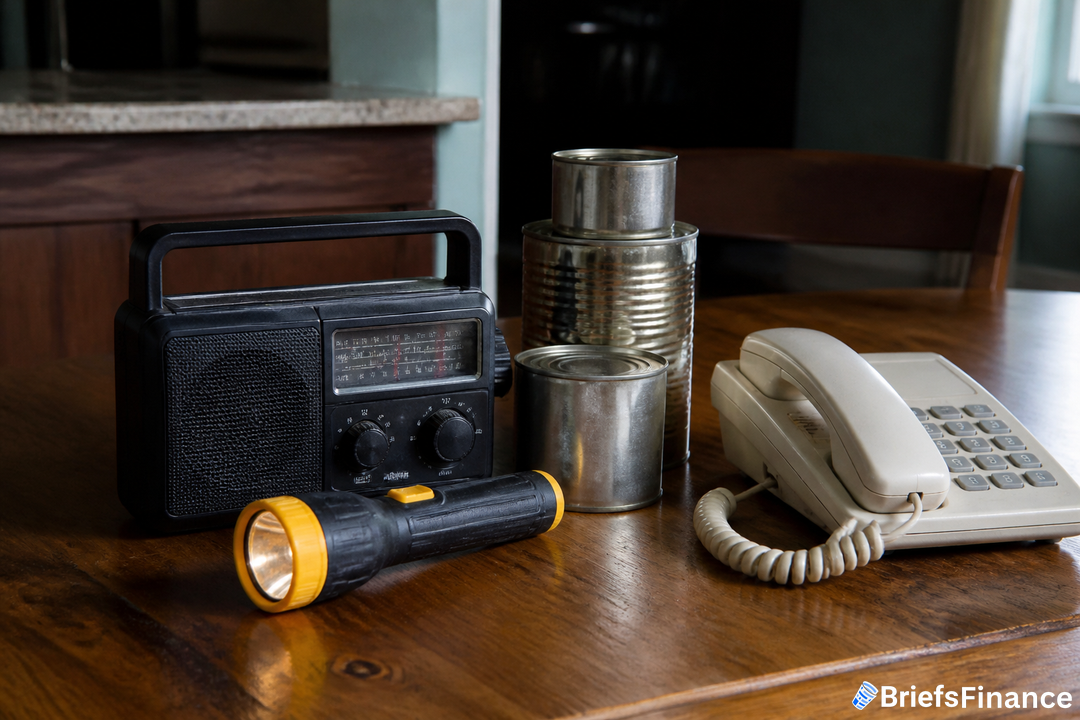
Wall Street took notice. Mizuho told clients that fear around the outages - along with what it called "apocalyptic concerns" on social media - drove stock-up trips to Costco. RBC said doomsday prepping has had a "real impact" on global purchasing recently, with demand skewing toward long-lasting protein items, water-treatment gear, and pantry-stable dry goods.
How the spending showed up
The upswing began late last month, lining up with a Fox News report that the Pentagon was preparing U.S. bases to function for at least 90 days without outside assistance, amid the continuing war with Iran that President Donald Trump indicated might intensify again.
Warehouse clubs and niche sellers felt it. Mizuho now projects that in November a key ex-fuel sales metric for Costco will surpass 10%, a level not reached since 2022. The Global X Cybersecurity ETF (ticker: BUG) has risen about 3% over the past two weeks, even as AI stocks and broader tech slumped.
Who benefited and why investors care
Ready America, a family-run seller in Vista, California, said e-commerce sales jumped roughly fivefold in recent days, a level it has rarely seen since the Covid lockdowns more than six years ago. Corporate customers restocking office kits are ordering more, and the company asked suppliers to scale up. A shortage of water purification tablets pushed it to steer shoppers to alternatives like prepackaged water pouches. "With everything going on in the news right now, we've seen a large spike of people wanting to get prepared," said President Trevyn Reese.
Some buyers are hedging elsewhere, too. Metal dealer American Hartford Gold noted an increase in customer inquiries this week. President Max Baecker said some interest in gold - long viewed as a safe haven - followed a JPMorgan Chase glitch that impacted customer transactions for several hours.
When unexpected disruptions remind us how connected systems are, sign up for the free Market Briefs newsletter to stay ready
At SRM, private wealth advisor Richard McWhorter said clients rushed to Costco for bulk goods, bought generators and asked how to prepare for a scenario where the financial system goes down. "I've never seen anything like this in my life," he said. Macro Hive CEO Bilal Hafeez said investors may begin pressing companies to accelerate cybersecurity spending out of caution about rogue AI agents, likening it to the antivirus push during the dot-com era.
Guns saw a lift as well. Trade group NSSF said firearm sales were up about 8% in October versus a year earlier, and retailers and manufacturers have continued to see strong demand into November, which NSSF attributed to uncertainty around the midterm election as well as the recent outages. "If people are investing in firearms and ammunition, they're telling you very directly, with their wallet, what their priority is," said Mark Oliva, who serves as NSSF's managing director of public affairs.
The mindset shift - and the market read-through
For many households, this is about redundancy, not panic. Houston resident Sabrina Cepeda, 39, a mother of three, bought propane and lighter fluid for off-grid cooking and heat, and refreshed stores of non-perishables, hygiene items and allergy medicine in case her family needs to stay home for several days. "I have a way to keep my family fed, clean, hydrated, warm and safe," she said.
This is the first year she has felt compelled to get ready for an emergency that could stem from technology outages. She and her husband also ensured they kept sufficient cash available and gas in their vehicles in case the U.S. power grid suffered a wider disruption. "We rely so much on technology," she said.
"You need to be able to do these things the more traditional, old-fashioned way."
Online interest backs it up. In the U.S., Google searches for "prepping" have more than doubled in the past month relative to the same span a year earlier, while YouTube searches for "survivalism" have climbed over 5,000%. Not everyone is all-in - TikTok jokesters claim their prep is a Starbucks drive-thru or stocking the bar - but the spending shift is clear.
The bottom line: outage anxiety funneled dollars to a narrow set of beneficiaries, from emergency kit makers and warehouse clubs to cybersecurity funds, while tech broadly lost altitude. For portfolios, watch where demand and budgets move next - especially anything tied to security and resilience.
As people rethink preparedness, get the free Market Briefs delivered in five minutes or less a day for clear market context