A government usually agrees with itself. Iran's did not on Saturday.
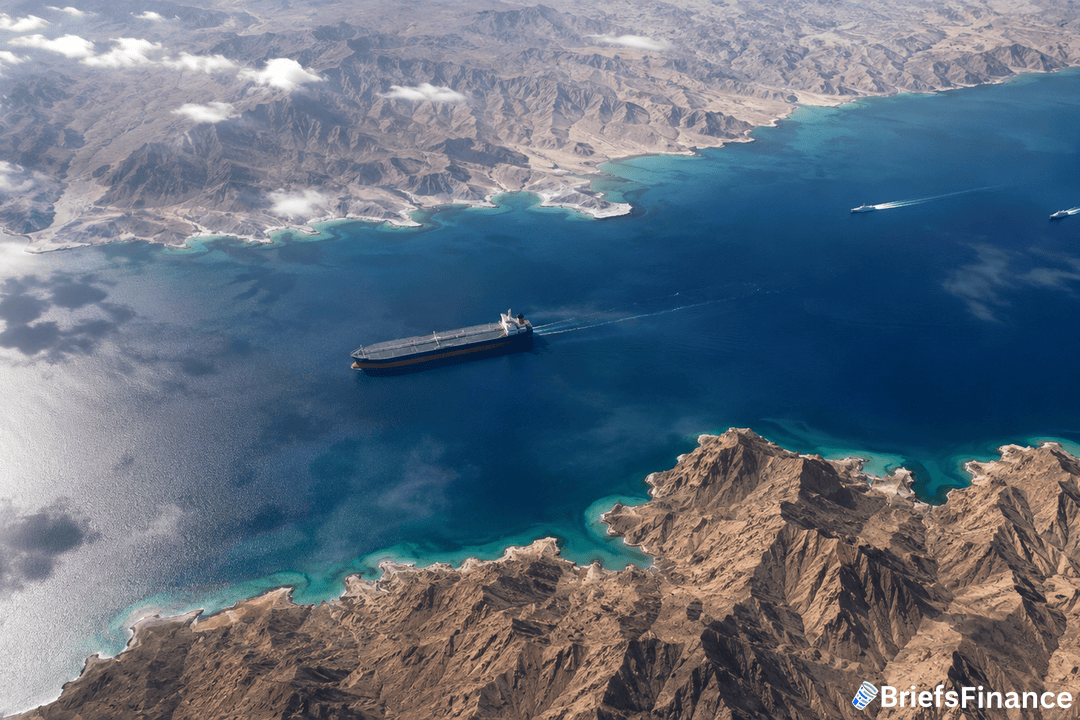
The country's military command said through state-linked outlet Tasnim that the Strait of Hormuz was now off-limits to ships. The strait is the narrow lane that carries about a fifth of the world's seaborne oil.
The statement landed around 9:10 a.m. ET. Hours earlier, Iran's foreign ministry had told the same outlet that shipping was "operating normally" - the kind of mixed signal markets hate.
The Two Stories
Iran's military ties the closure to alleged U.S. breaches of the new memorandum that ended the U.S.-Iran war. Tehran says Washington has failed to enforce a ceasefire in southern Lebanon, where Israeli strikes reportedly killed 16 people on Saturday.
The U.S. and Iran's diplomats tell a different story. Vice President JD Vance went on Fox News around 9:30 a.m. and said the straits "really are open," with no sign of any closure.
U.S. Central Command then posted on X that commercial traffic in the area actually went up that morning, which lined up with Vance's read. The closure claim itself came through Tasnim, an outlet tied to Iran's Revolutionary Guard Corps, so its reporting tends to track the military's hardline view, not the elected government's.
We break down what moves like this mean for the market in Market Briefs - five minutes a day, plus a free investing masterclass when you join.
Why It Matters For Markets
The strait is the world's most important oil chokepoint. About 20% of seaborne crude moves through it daily, so even a rumor of closure can move oil prices and freight rates.
Tanker day rates already jumped earlier this year, with rates hitting $600,000 a day when traffic first returned to the strait. Any new closure threat puts that pricing back in motion fast.
Iran says talks with the U.S. are still on, with its team heading to Switzerland. Foreign Ministry spokesperson Esmail Baghaei said the trip is to "demand" the U.S. honor its side of the deal, not to compromise.
That is the kind of language that keeps oil traders glued to their screens.
What To Watch
The contradiction inside Iran's own government is the real signal. The military is talking like it wants to escalate, while the diplomats are still trying to talk.
Both can not be true for long. The Switzerland trip will say a lot about which voice is winning inside Tehran.
Until one voice does win, the strait stays an open question and an open trade.
If you want this kind of read on the market every morning, join 350,000+ investors reading Market Briefs - you also get a 45-minute investing course as a bonus.