A Temporary Fix With a Hard Deadline
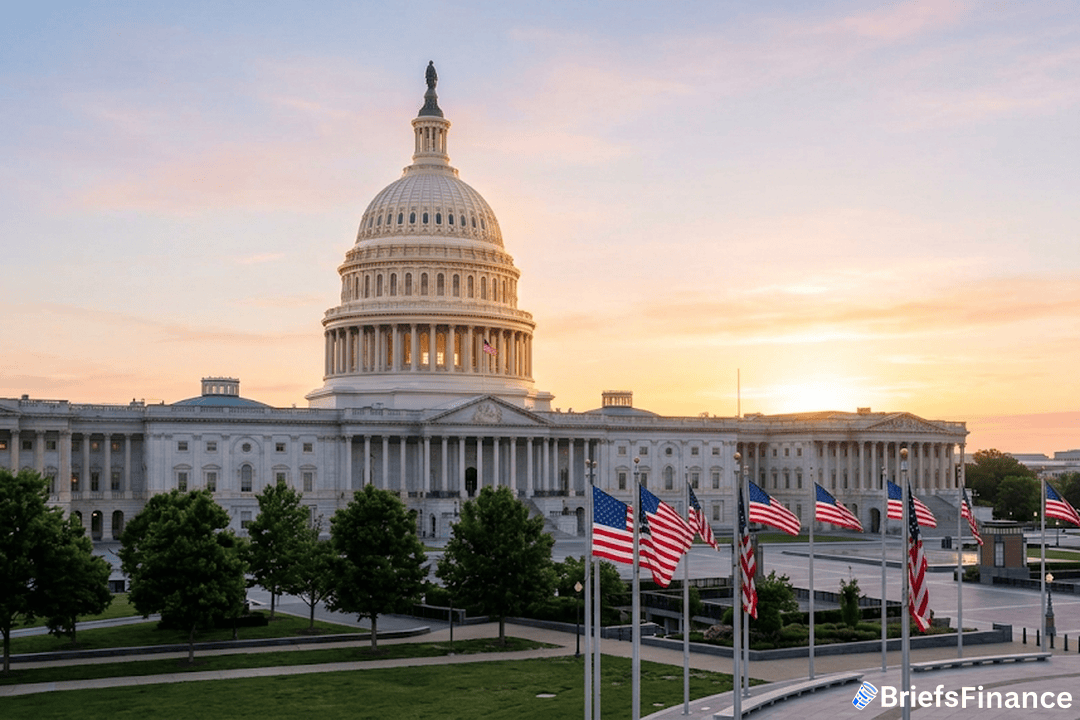
The Republican-led U.S. Senate passed a temporary spending bill on Saturday, August 8, 2026. The legislation would maintain government operations through December 11 and avert a federal government shutdown before the November 3 congressional elections.
Current funding expires on September 30. That deadline lands fewer than five weeks ahead of the November 3 voting, making the Senate's action part of an effort to keep the government open through the election period.
The measure is a temporary one. The House has already passed its own short-term funding measure, and the Senate version is different. The House and Senate must settle their differences and approve identical legislation before the bill can go to President Donald Trump for his signature.
Two Versions, One Big Disagreement
One difference between the two versions involves border funding. According to Democrats, the Senate language would stop the Trump administration from shifting funds from other accounts to border security, unlike the House version. That means the Senate bill includes a restriction that the House bill, according to Democrats, does not.
Get the free Always Be Buying eBook and learn the simple system for building wealth on any income
There are also provisions in the Senate plan for flexibility in housing and food assistance funding. Those flexibility provisions are separate from the border security provision.
There is another element in the Senate bill. The measure would also suspend a new White House budget office rule. The directive would place huge grant programs - hundreds of billions of dollars - under the authority of political appointees. Under the Senate measure, the rule would be put on hold.
The House is also controlled by Republicans, but the two bills still differ. The House passed its version last month, and the Senate passed its version on August 8. The next step is for the two chambers to agree on one final version.
The Next Deadline
If the Senate's temporary measure becomes law, federal agencies would stay open through December 11. That would push the next funding deadline after the November 3 election.
With September 30 arriving fewer than five weeks before Election Day, the Senate move is designed to prevent a shutdown in that window. But because the House and Senate have not agreed on a single bill, the funding question is not yet resolved.
Those provisions remain part of the negotiation between the two chambers.
What Happens Next
Congress still needs to finish the annual appropriations process for the fiscal year that begins October 1. The temporary measure, known as a continuing resolution, would buy time for negotiators to work out a fuller spending agreement. If no agreement is reached by December 11, the government would face another shutdown threat after the election. The dispute over border funds and the budget office rule could complicate those talks, but the immediate goal of the Senate bill is to keep the government running through the midterms.
Download the free Always Be Buying eBook and start putting your money to work today