What's on the agenda in Arizona
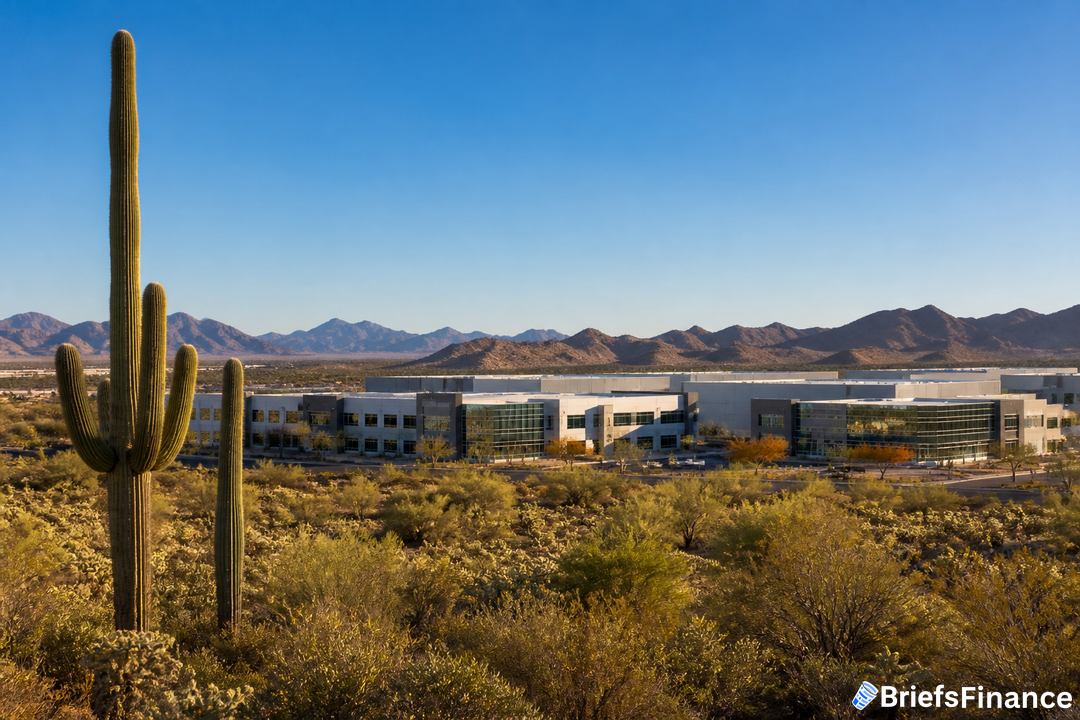
Taiwan's top diplomat, Lin Chia-lung, is planning meetings with Arizona state and city officials and sit-downs with semiconductor firms. He is scheduled to get to Phoenix Saturday evening following visits to Belize and Guatemala. While in town, he will join the opening of the new Taiwan representative office in Phoenix and visit Taiwan Semiconductor Manufacturing Co.'s production facility located in Arizona.
The goal: more chips, more ties
According to one official, the trip is designed to back Taiwanese investment in the US and to build industrial clusters with help from the US government and universities. The same official said the push includes encouraging additional Taiwanese firms across the chip supply chain to put down roots in the US.
Chip supply chains are getting redrawn one plant at a time, and most of it never reaches the evening news. Market Briefs covers the moves that matter, free every morning.
The timing with US China diplomacy
Lin's visit lines up with a busy diplomatic backdrop. A week earlier, in Washington, President Donald Trump welcomed Chinese President Xi Jinping on an official state visit, where both sides agreed to keep a trade truce in place until early 2027. At that meeting, Xi urged the US to "oppose" Taiwan independence, a stance that would mark a departure from Washington's long-held approach to the self-ruled island.
The stakes for Taiwan and the region
Taiwan sits at the heart of US China tensions. Beijing contends the democratically governed island belongs to its territory and has pledged to place it under its control, saying it could turn to force if necessary. Taiwan rejects that sovereignty claim.
The US officially recognizes Beijing rather than Taipei, but it maintains unofficial relations with Taiwan and serves as its primary security partner. Taipei has also leaned on its strength in the tech supply chain, arguing that Trump's drive to re-industrialize the US and rebuild chipmaking capacity depends on Taiwan's expertise. Meanwhile, Beijing has chipped away at Taiwan's diplomatic footprint in Central America over the past decade as Panama, El Salvador, Nicaragua and Honduras switched recognition to China, leaving Guatemala and Belize as the holdouts.
For your wallet, the takeaway is simple: chip capacity and cross-Pacific partnerships shape where the next wave of manufacturing and jobs land, which can ripple into where growth - and risks - show up in the broader economy.
Trade ties, fabs, and the money following them shift faster than policy does. Get the free Market Briefs daily newsletter and stay ahead of the next one.